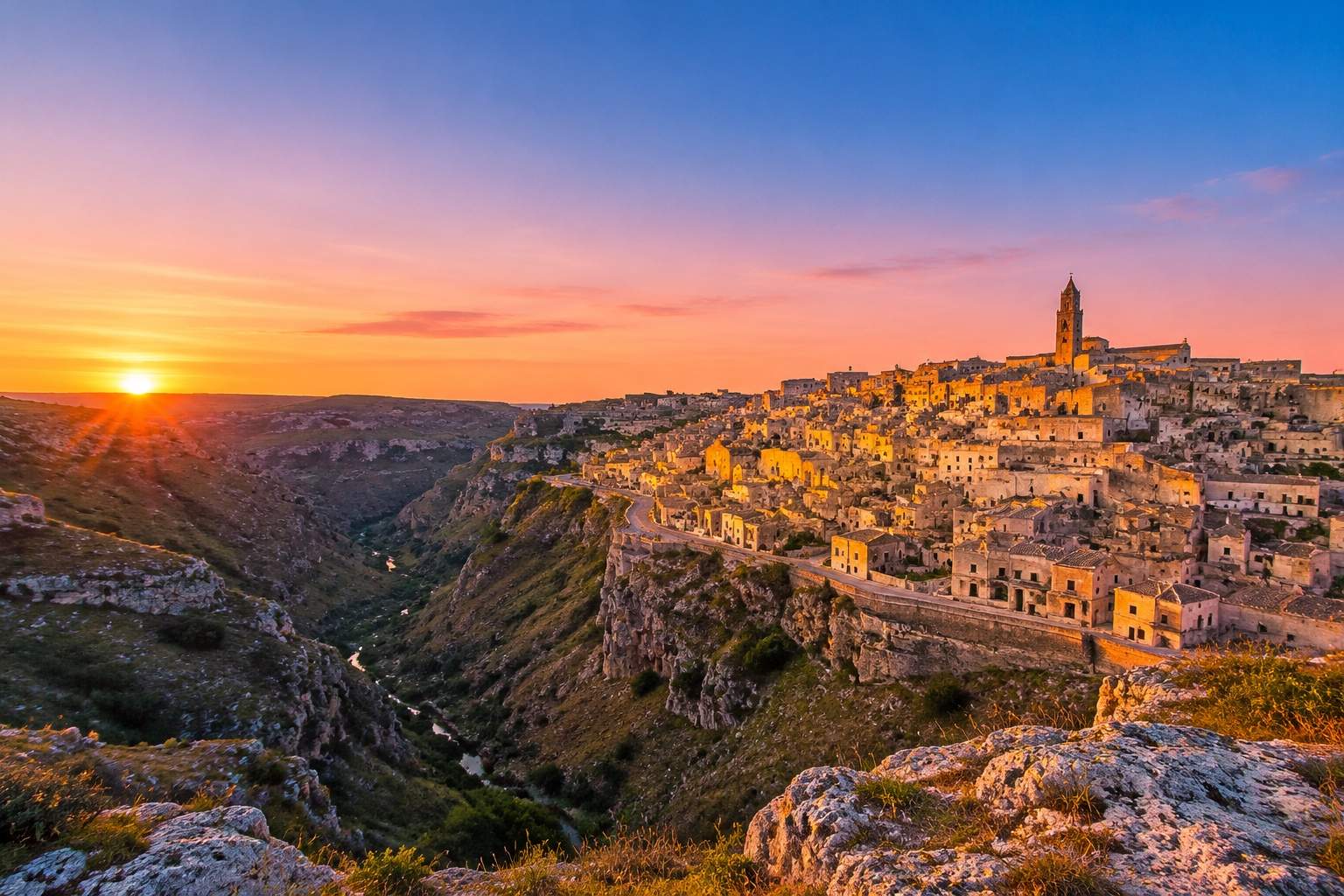
The pre-dawn chill bit at my nose, but the air held that clean, hopeful promise of a new day. Below me, the ancient city of Matera, carved into rock, slumbered in shades of grey and ochre. As the first blush of sun painted the horizon, creeping light began to kiss the cave dwellings, turning them golden, then fiery orange. A lone bell tolled, echoing across the Gravina canyon. This wasn't some manicured postcard view; this was raw, breathing history, completely unburdened by jostling crowds or selfie sticks. It was just me, the rising sun, and a city that had truly mastered the art of not giving a damn about your tourist expectations.
Ditch the Crowds: Matera's Untamed Dawn & Dusk Views
Forget battling for a glimpse of Rome's Trevi Fountain or Florence's Duomo with a hundred other perspiring tourists. The real magic in Matera is free, abundant, and best experienced when most sane people are still tucked into bed. My first tip, handed down from a grizzled local who probably lives in a cave himself: the Belvedere di Murgia Timone. This viewpoint, perched across the canyon, offers the definitive Matera panorama. Getting there before sunrise is your ticket to a transcendental experience. I hopped on a local bus early one morning – a mere €1.50 ride – that dropped me near the access path. Walking the last stretch in the dark, guided only by my phone's flashlight, felt like an adventure. When the sun finally erupted, illuminating the Sassi below, I practically wept. Compare that to elbowing someone for a photo op in Piazza San Marco. Seriously, don't miss this. Go at dusk too; the city lights twinkling across the ravine are equally captivating, and still largely tourist-free if you time it right.
Sassi Secrets: Living History Without Breaking the Bank
Matera's UNESCO-listed Sassi districts are the main event, obviously. But don't just wander aimlessly down the main drag like a lost sheep. That's where you'll find the overpriced souvenir shops and the "tourist menu" traps. Instead, when I visited with my friends, Sarah and Mark, we opted for a small group walking tour led by a local architecture student we found through our B&B host. This wasn't some rote recitation; Paolo, our guide, grew up playing hide-and-seek in these caves. He pointed out the ancient cisterns, the "invisible" ventilation systems, and even showed us the tiny, barely-visible markings where families once tethered their livestock. Our €20 each felt like a steal for two hours of genuine insight.
Unearthing the Less-Trodden Cave Dwelling
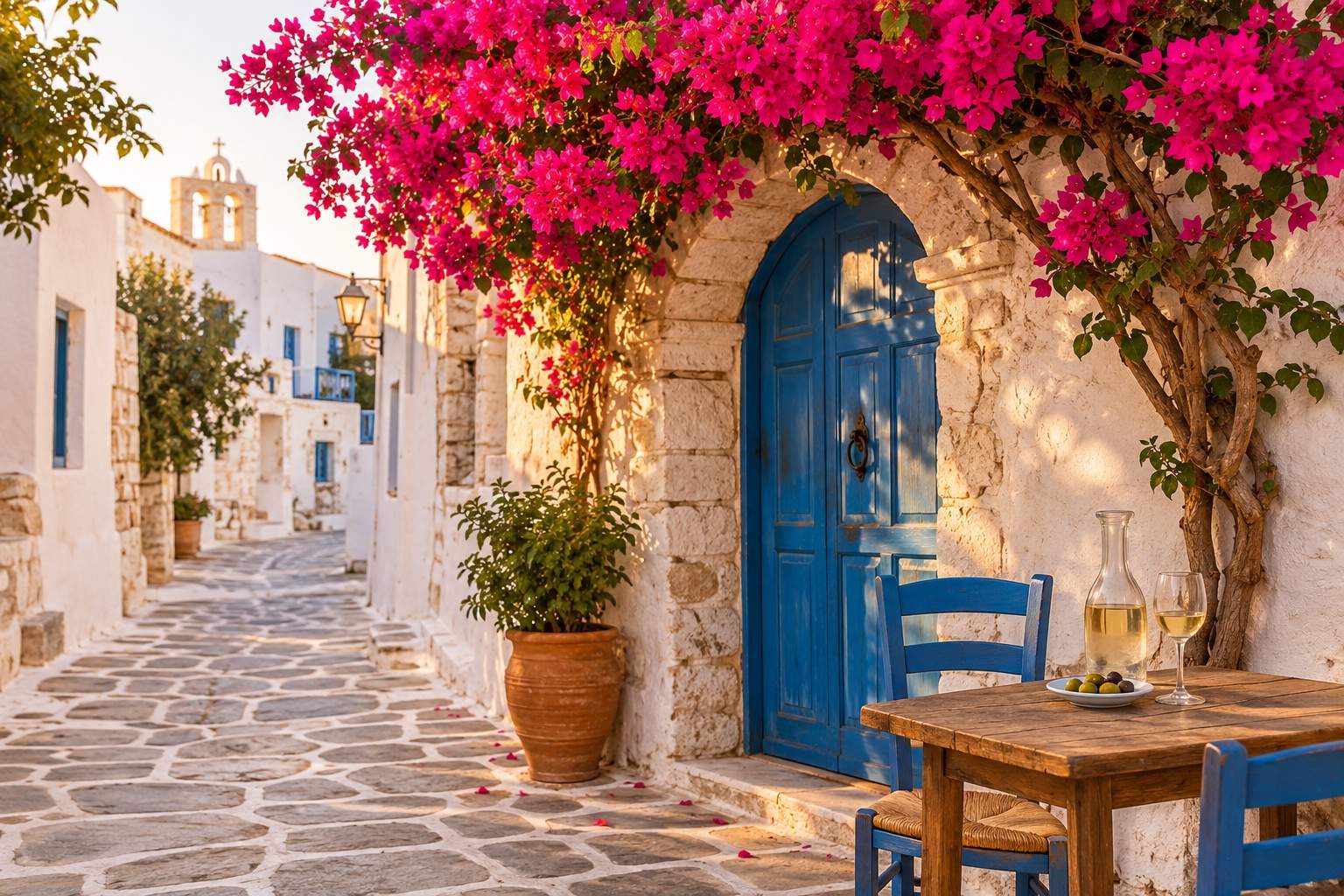
While the Casa Grotta di Vico Solitario is popular, we found a smaller, less polished Casa Noha that offered a more intimate, albeit harrowing, look into Matera's impoverished past through a fantastic documentary. It cost us €8 each. Later, we stumbled upon a tiny, privately-run cave house that a local woman had converted into a mini-museum dedicated to her grandmother's life. She charged us €3 and served us strong espresso, chatting about Matera's resilience for an hour. This wasn't in any guidebook; it was just a blue door with a hand-painted sign, the kind of gem you find when you stop looking for "attractions" and just start exploring.
Feast Like a Local: Matera's Real Taste, Not Tourist Traps
Oh, the food! If you're paying €25 for a bland pasta dish and a tiny glass of house wine, you're doing it wrong. When my family joined me in Matera, our mission was clear: eat authentically, eat cheaply. We quickly learned to avoid restaurants with multi-language menus and flashy signs. Instead, we sought out the humble trattorias tucked away on side streets. Our go-to became Trattoria del Caveoso, where for €15-€20 per person, we feasted on enormous portions of orecchiette con cime di rapa (pasta with turnip greens – trust me, it's incredible) and the local specialty, peperoni cruschi (crunchy fried peppers that are dangerously addictive). My dad, a notorious tightwad, was ecstatic.
Market Raids & Picnic Perfection
For lunch, we often hit the local market near Piazza Vittorio Veneto. Fresh pane di Matera (the iconic local bread), a slab of regional cheese, some olives, and a bottle of local wine cost us under €10 for a picnic that fed all three of us. Find a sunny spot overlooking the Sassi, and you've got a million-dollar view with a pauper's price tag. These markets are where you truly absorb the local rhythm, far from the tourist-inflated prices of the main squares.
Beyond the Sassi: Matera's Hidden Depths & Wild Side
Think Matera is just pretty caves? You're missing out on its wild, untamed heart. My brother and I, always up for a good hike, spent a full day exploring the Parco della Murgia Materana. This archaeological and historical park, directly opposite the Sassi, is dotted with hundreds of ancient rupestrian churches carved into the rock face. Many are free to enter. We navigated a well-marked but rugged path, scrambling over rocks and through scrub, discovering frescoes dating back a thousand years in silent, echoing caves. It felt like an Indiana Jones movie, minus the snakes and Harrison Ford's smoldering gaze. Getting there involved a short, scenic walk over the suspension bridge (Ponte Tibetano) – free, heart-pumping, and the views back to Matera are insane. This is where Matera feels truly untamed and raw.
The Crypt of the Original Sin: A Masterpiece Unseen
For something truly extraordinary and rarely visited by the masses, you must arrange a visit to the Crypt of the Original Sin (Crypta del Peccato Originale). This isn't within Matera city limits; it's a short, affordable taxi ride (around €20-€25 round trip, split among friends, makes it cheap). It's essentially the "Sistine Chapel of the Rupestrian Art," a cave church with incredibly preserved 9th-century frescoes. You have to book in advance online, and they only allow small groups. The entrance fee was €12, but for the sheer historical and artistic value, it was a profound experience – utterly silent, awe-inspiring, and a million miles away from any tourist throng. This one felt like I'd uncovered an actual treasure.
Smart Moves: Outsmarting Matera's Tourist Game
Look, Matera's getting popular, but it's still possible to outsmart the system. Accommodation: Don't insist on staying in the absolute heart of the Sassi unless you enjoy hauling luggage up endless stairs and paying a premium. We found a charming B&B just above the Sassi, a 5-minute walk to all the action, for about €70 a night in early May. It had a balcony with a killer view and the host baked fresh bread daily. Best Time to Visit: Late spring (April/May) or early autumn (September/October) is ideal. The weather is glorious, and you avoid the scorching summer heat and the peak crowds. We loved the mild evenings that allowed for long, unhurried strolls. What to Pack: Seriously, those "comfortable walking shoes" in the related products? They're not a suggestion, they're a commandment. Matera is all cobblestones, stairs, and uneven paths. A reusable water bottle is also crucial for staying hydrated while exploring.
One afternoon, I nearly fell for a "traditional Materan souvenir" stand selling mass-produced trinkets. A quick chat with a local artisan, however, revealed a tiny workshop down a forgotten alley where actual clay cucù (rooster-shaped whistles, a symbol of good luck) were made by hand. The price difference was negligible, but the story and authenticity were priceless. Always look beyond the obvious.
Matera isn't just a collection of ancient caves; it's a living lesson in resilience, a masterclass in history, and a playground for the financially savvy traveler. Come prepared to walk, to explore, and to peel back its layers, and you'll leave with an authentic piece of Italy's soul, not just a lighter wallet.