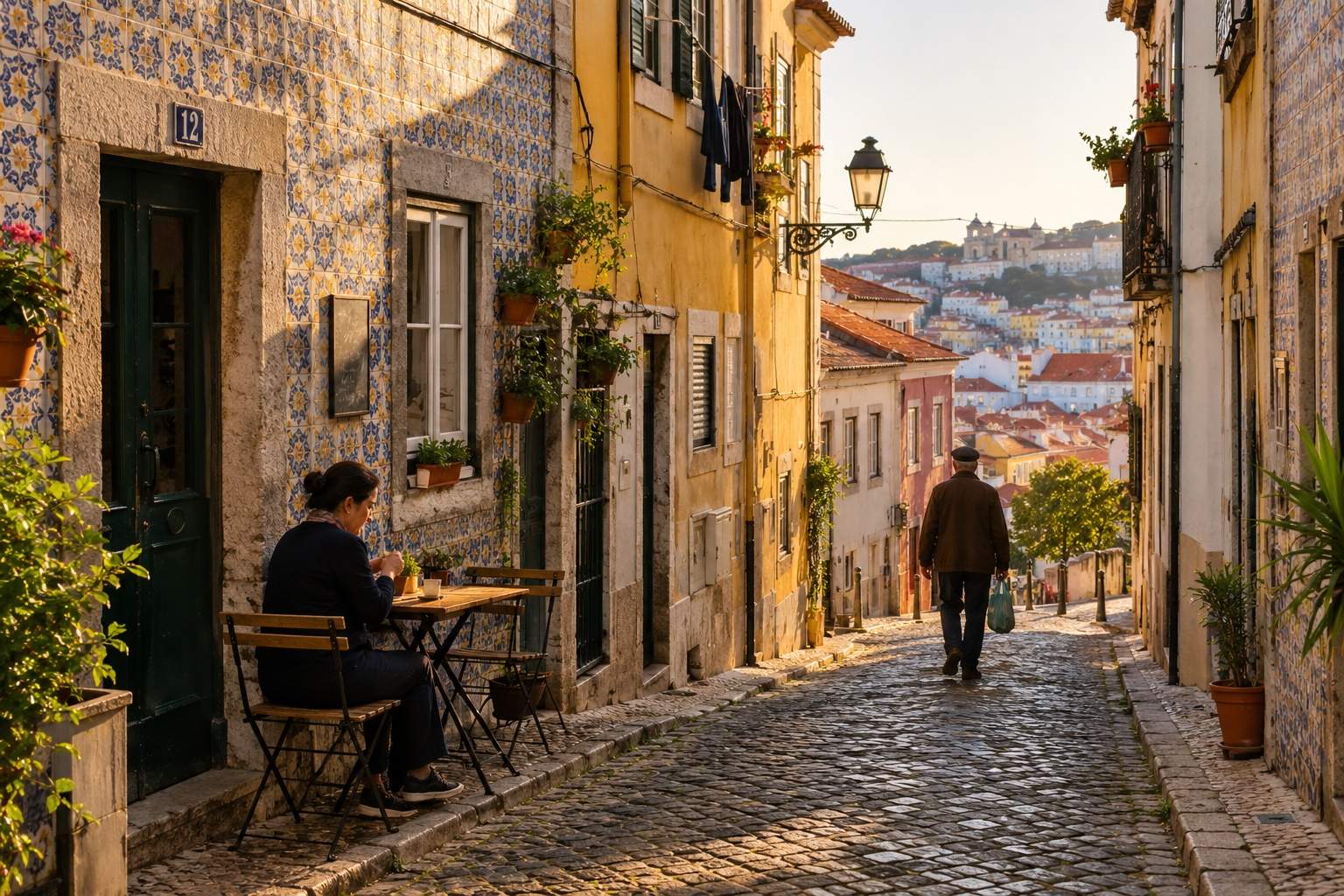
As the golden light of late afternoon spilled across the worn cobblestones of a tiny, nameless square tucked away behind Lisbon’s bustling Baixa district, a smile crept across my face. My friend, Nuno (a local I’d met on a previous trip), was gesturing wildly at the menu outside a hole-in-the-wall tasca, promising the best grilled sardines of my life for a price that felt like a joke. Meanwhile, just a few blocks away, I could practically hear the collective groan of tourists queuing for overpriced, mediocre pastéis de nata, or jostling for a glimpse of the Tagus from an overcrowded viewpoint. This, I thought, is the real Lisbon. A city of incredible flavor, breathtaking views, and genuine warmth – if you know where to look, and, crucially, what to steadfastly ignore.
Ditching the Tram 28 Fiasco: Your Feet (and Wallet) Will Thank You
"You have to ride Tram 28!" everyone says. "It's iconic!" they scream. And yes, it is iconic. It's also an absolute sardine can packed with sweaty tourists, pickpockets, and often, an hour-plus wait in the sun. On my first trip with friends, we made the rookie mistake. We stood, we sweltered, we finally squeezed on, only to spend the next 45 minutes with our faces in someone's armpit, missing most of the "scenic" views anyway. "Are we really waiting two hours for a crowded sardine can just to say we did it," my friend Sarah grumbled, "or do we want to see Lisbon?" We bailed.
Here’s the secret: the magic of Lisbon isn't in a single tram line; it's in the walk. Get a Viva Viagem card, load it with €10 in "zapping" mode (it’s cheaper per ride than single tickets, trust me), and use it for any tram, bus, or metro. We hopped on a random tram heading up a hill towards Graça, found a seat, and watched the city unfold. We walked down through Alfama’s labyrinthine alleys, discovering hidden Fado houses and tiny chapels. Your feet are your best guides, and they cost exactly €0. Plus, avoiding the notorious Tram 28 queue frees up precious time for actual exploration, not just transportation.
Lisbon's Food Scene: Where Tourists Pay Triple for Prettiness
I once saw a tourist paying €12 for a small plate of pre-made bacalhau à brás in a brightly lit restaurant near Praça do Comércio. Bless their heart. Meanwhile, just a 15-minute walk north into the quieter streets of Arroios or Penha de França, my partner and I were regularly devouring a full prato do dia – a generous main course, soup, bread, olives, and a glass of house wine – for a shocking €9. We found this gem, "O Faia," (not the famous Fado one, mind you, just a humble local spot) on a tip from a taxi driver. The waiter, a gruff but kind old man, looked at us like we’d asked for unicorn tears when we requested the prato do dia in English. Then he brought it: perfectly seasoned pork with clams, mountains of fries, and the best local wine. Our minds were truly blown.
Don't fall for the flashy menus with English translations and pictures. Look for places with handwritten menus, mostly Portuguese patrons, and a daily special board outside. For breakfast, skip the trendy pastelarias charging €3 for a coffee. Duck into any local padaria (bakery) for a rich, strong espresso for €0.70 and a fresh croissant for €1. Your palate and your wallet will thank you. And about those pastéis de nata: the famous ones are great, sure, but a truly amazing one can be found in countless neighborhood bakeries for a fraction of the price and without the queue. Seek out "Manteigaria" for their consistently excellent, still-warm tarts, often with a much shorter line than the Belem behemoth.
The Free Views That Shame the Castle Entrance Fee
Everyone flocks to São Jorge Castle for "the views." And yes, it's nice. But paying €15 to jostle with hundreds of others for a slightly obstructed vista? Hard pass. Lisbon is built on seven hills, meaning incredible panoramas are literally everywhere, and most are absolutely free. My personal favorite, and one I discovered while solo-traveling, is Miradouro da Senhora do Monte. It's a bit of a hike, but the reward is a breathtaking 270-degree sweep of the city, from the castle to the Tagus River, with far fewer crowds. I sat there one evening with a €2 bottle of vinho verde from a local mini-mart, watching the city lights twinkle on, feeling like I’d stumbled into a secret concert hall.
Another gem is Miradouro de Santa Catarina, especially at sunset. It's lively, with buskers and locals gathering, but it still feels authentic. You'll catch a stunning view of the 25 de Abril Bridge, listen to impromptu guitar sessions, and soak in the city's vibe without spending a cent on admission. These spots offer not just views, but atmosphere, local interactions, and a genuine sense of Lisbon's soul that no ticketed attraction can replicate.
Beyond Alfama: Discovering Lisbon's Gritty, Charming Underbelly
Alfama is charming, undeniably. But it can also feel like a living museum curated for tourists. To truly experience Lisbon’s heartbeat, venture into its less-trodden neighborhoods. Mouraria, the birthplace of Fado, is a fascinating maze of narrow streets, vibrant street art, and multi-ethnic communities. I spent an afternoon there, simply wandering, and stumbled upon a tiny Fado house where an elderly woman was singing with raw emotion to a dozen locals. No flashing lights, no €50 cover charge – just pure, unadulterated Fado.
If you’re feeling more adventurous, take the metro to Marvila, an up-and-coming industrial area turned creative hub. It's a bit further out, but the street art is incredible, and there are cool, less-touristy breweries and cafes popping up. This is where you find Lisbon’s contemporary pulse, far from the postcard clichés. Exploring these areas means cheaper coffee, unique craft shops, and a more genuine interaction with the city’s residents.
Navigating Lisbon: Your Survival Guide Against Overspending
Lisbon in summer can be glorious, but also hot. Plan your major explorations for mornings (before 11 AM) and late afternoons (after 4 PM). Midday is perfect for long, leisurely lunches in a cool tasca or visiting a museum. If traveling in late autumn or winter, the weather is milder, but be prepared for rain; this is when Lisbon’s incredible museums (like the National Azulejo Museum or Calouste Gulbenkian Museum) really shine, offering cultural depth away from the elements.
A crucial pitfall to avoid in any restaurant: those tempting bread baskets, olives, and cheese spreads placed on your table. Unless you explicitly ask for them, they are almost never complimentary and can add a surprising €5-€10 to your bill. Politely wave them away if you don't want them. Also, keep your wits about you in crowded areas like Baixa-Chiado or around major tram stops. Petty theft can be an issue, so a good cross-body bag worn to the front is your best friend. Always carry a reusable water bottle; Lisbon has plenty of public fountains, and refilling saves money and plastic.
Lisbon is a city designed to steal your heart, not your wallet, provided you know its little secrets. Ditch the guidebooks that funnel you to crowded, overpriced traps. Seek out the local haunts, embrace the hills on foot, and let curiosity lead you down quiet alleys. You’ll leave not just with photos, but with stories, flavors, and a genuine connection to a city that truly rewards the adventurous, budget-savvy traveler.