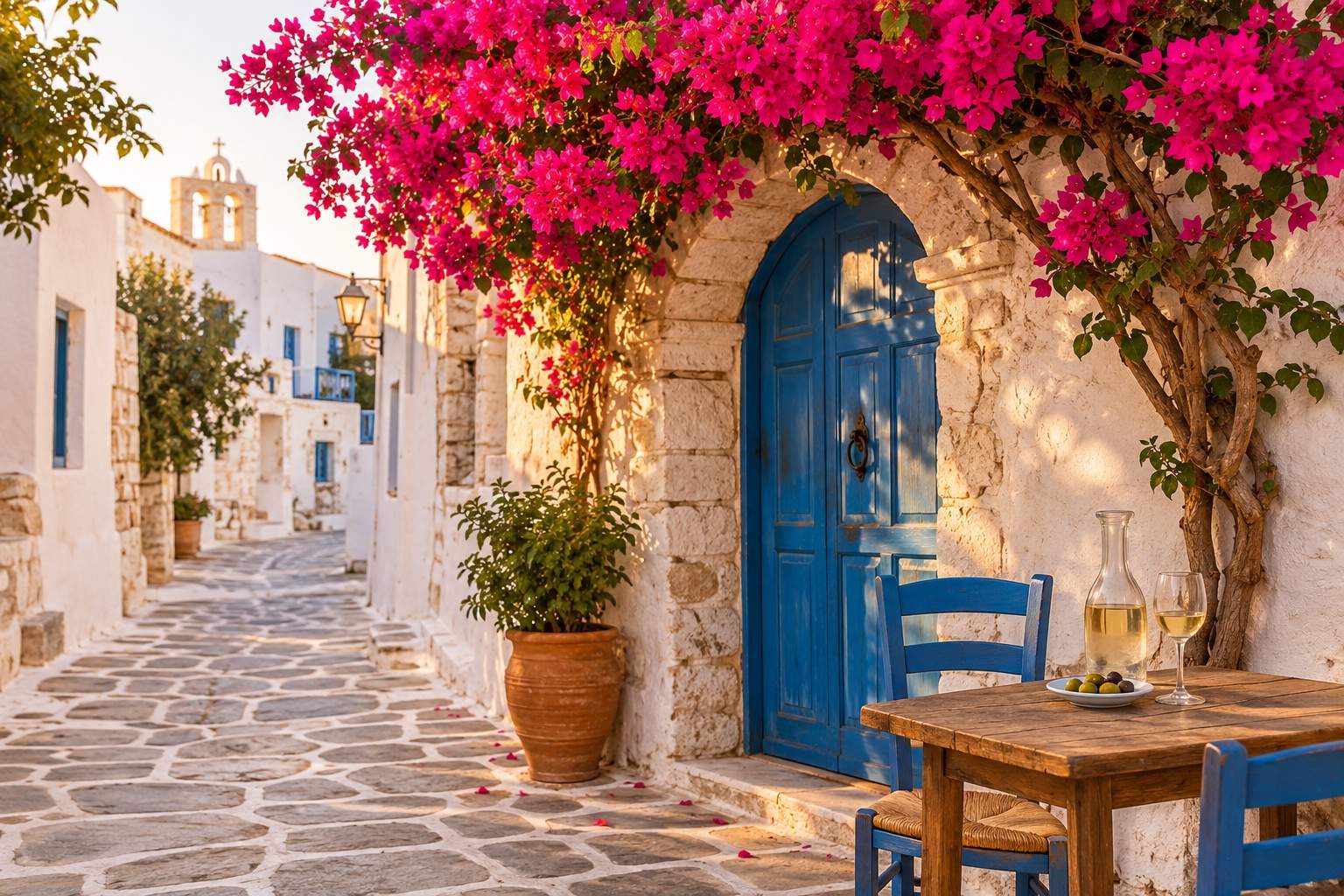
A soft, golden light spilled over the cobbled alleyway, illuminating a weathered sign hanging above a tiny, unassuming doorway. No touts, no selfie sticks, just the murmur of Italian chatter drifting from within. My friend, Clara, nudged me, her eyes wide with triumphant glee. “This is it,” she whispered, pulling me into the warmth. Just hours earlier, we’d been elbow-to-elbow in the Vatican, contemplating whether paying €5 for a lukewarm bottle of water was an actual emergency or just a tourist tax. Now, the scent of wood-fired pizza and rich tomato sauce promised a different kind of Roman experience, a stark contrast to the historical theme park we'd just escaped. This, we realized, was the Rome we'd been chasing.
Ditching the Gladiator Grind for Glimpses of Grandeur
Forget the Colosseum’s queues that wrap around the block like a boa constrictor. While iconic, the actual experience can feel like being herded. Instead, my partner and I opted for an early morning stroll through the Roman Forum and Palatine Hill. We arrived right at opening – a non-negotiable rule for avoiding the mid-morning crush. The ticket? A standard €18, but it also granted access to the Colosseum without a specific timed entry, allowing us to walk past the main queue later in the day. The trick isn't to skip it entirely, but to approach it strategically. Imagine walking among ruins almost devoid of people, the morning sun painting ancient stones in hues of gold and rust, feeling the weight of history without someone's selfie stick constantly photobombing your existential musings. It’s a spiritual experience versus a checklist item.
Trastevere's True €8 Feast: Where Locals Laugh at €20 Carbonara
Now, let's talk food, because Rome's culinary scene is a minefield of "authentic" carbonara that tastes suspiciously like glorified scramble for €20 a plate. Clara, Sarah, and I – our girl gang on a mission – had heard whispers of a place in Trastevere that defied tourist trap logic. We veered off the main, Instagram-famous thoroughfares, past the lively but often overpriced spots. Deep in a side street, we found Trattoria da Enzo al 29. It's not a secret anymore, but it's still where locals go. We arrived before 7 PM and waited outside with Italian families. The menu was hand-scrawled, the service brisk but kind, and the pasta? Life-changing. For €8, I devoured the best Cacio e Pepe of my life – creamy, peppery, perfectly al dente. Sarah's Amatriciana was a symphony of guanciale and tomato, also €8. Add a carafe of house wine for €5, and we ate like Roman emperors for less than €15 each. Compare that to the €18-€25 per dish you'll pay at a place with English menus and a flashy sign just two blocks away. The conversation, the clatter of plates, the genuine laughter – that’s the real Roman culinary experience, not the bland, overpriced imitation found closer to the river.
Unlocking Rome's Secret Corners: Beyond the Vatican's Queue
While the Vatican Museums are undoubtedly magnificent, the sheer volume of humanity can drain your soul faster than a Roman summer. My family, including my perpetually skeptical teenage nephew, needed an alternative. We found it in Centrale Montemartini. This former power plant now houses stunning classical statues, dramatically juxtaposed against the industrial machinery of the early 20th century. It’s bizarre, beautiful, and virtually empty compared to its mainstream counterparts. We spent two hours wandering, marveling at intricate mosaics and colossal busts, all for a mere €7. My nephew actually put his phone down for a solid 30 minutes, which, if you know teenagers, is akin to seeing a unicorn. It's a testament to how finding a niche spot can offer a deeper, more personal connection to art and history without the suffocating crowds.
Rome on a Budget: Outsmarting Transport and Seasonal Traps
Traveling in late spring (May-June) or early autumn (September-October) is generally recommended, but even then, peak hours are a battle. My advice? Embrace Rome's walkability. My partner and I logged 15-20km a day, discovering hidden fountains and charming piazzas we’d never have seen from a bus. When walking isn't an option, use the metro. A single ticket is €1.50, a 24-hour pass is €7. This is where many tourists get fleeced by taxis, especially from the airport. A pre-booked private transfer (around €50-€60) for a group can be cost-effective, but the Leonardo Express train from Fiumicino to Termini station is €14 per person, fast and efficient. Don’t get caught in the trap of airport taxi touts quoting €70+ fares. Always confirm the official flat rate to the city center before getting in any cab if you must use one.
Penny-Pinching Perfection: How We Scored Rome's Best Views for Free
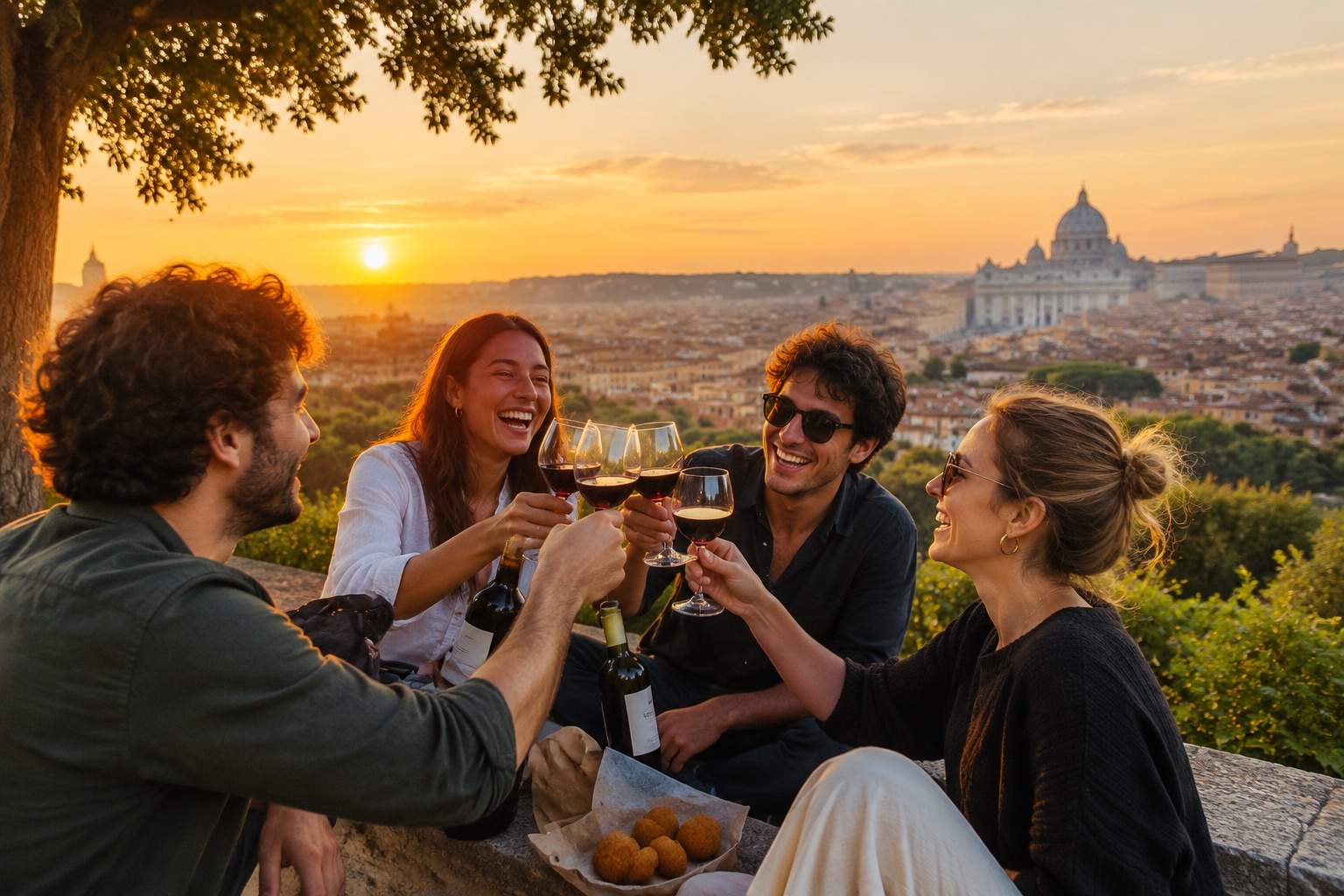
Want breathtaking views of Rome without paying for a rooftop bar or a crowded dome climb? Head to the Giardino degli Aranci (Orange Garden) on Aventine Hill. My friends and I went for sunset, armed with a bottle of €5 prosecco from a local supermarket and some cheap arancini. The views over the city, with St. Peter's Basilica silhouetted against the fiery sky, are utterly spectacular and completely free. Another gem is the Keyhole at the Priory of the Knights of Malta, also on Aventine Hill. Peering through a small keyhole, you get a perfectly framed view of St. Peter's Dome, aligned down a tree-lined avenue. It's a delightful, quick, and quirky experience that almost no first-time tourists know about. It cost us nothing but a short walk, creating a memorable moment that felt uniquely ours, a small defiance against the mainstream.
Rome isn't just a collection of famous landmarks; it's a living, breathing city waiting to be explored beyond the guidebooks and Instagram feeds. Ditch the crowds, eat like a local, and discover the true, cost-effective magic of the Eternal City.