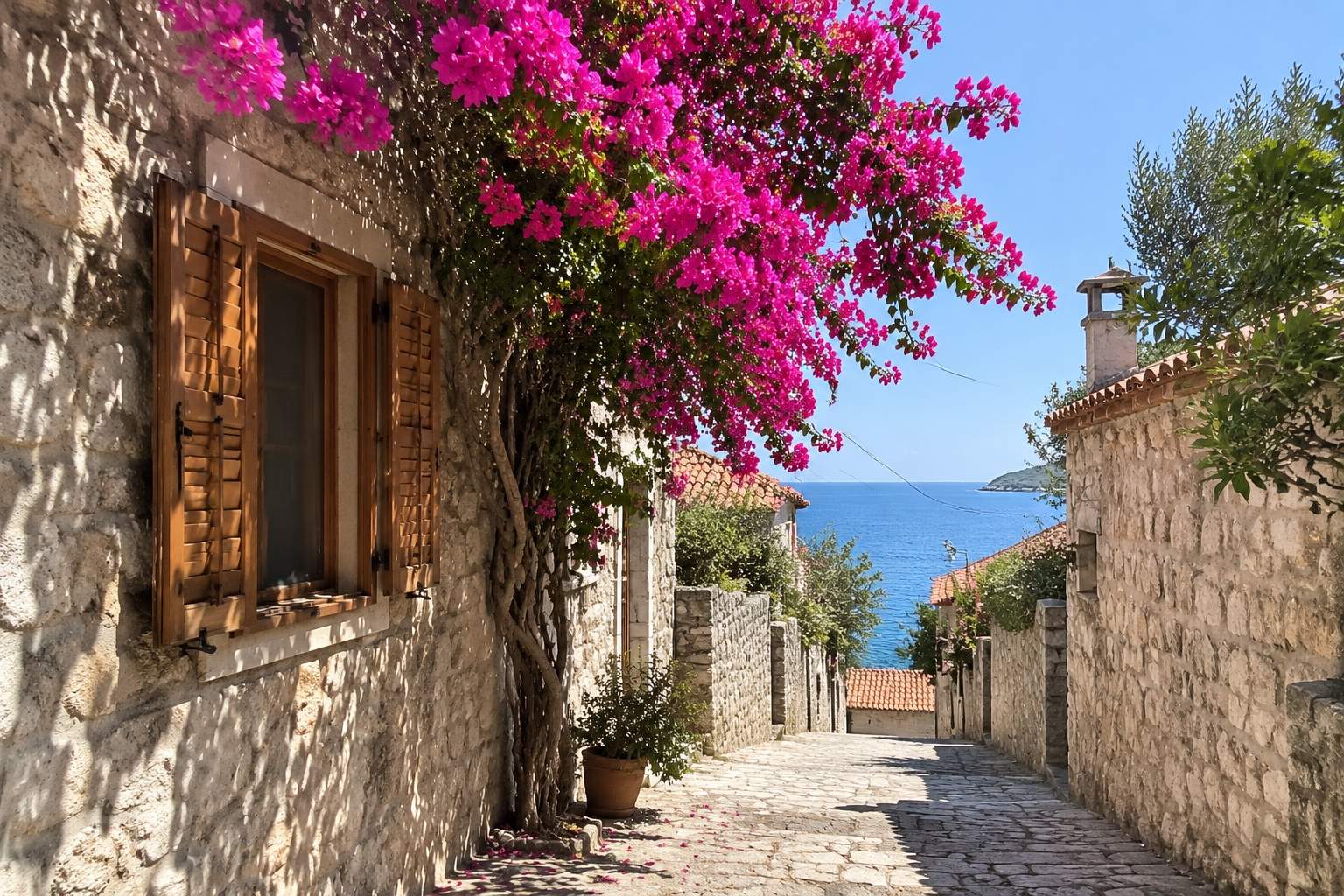
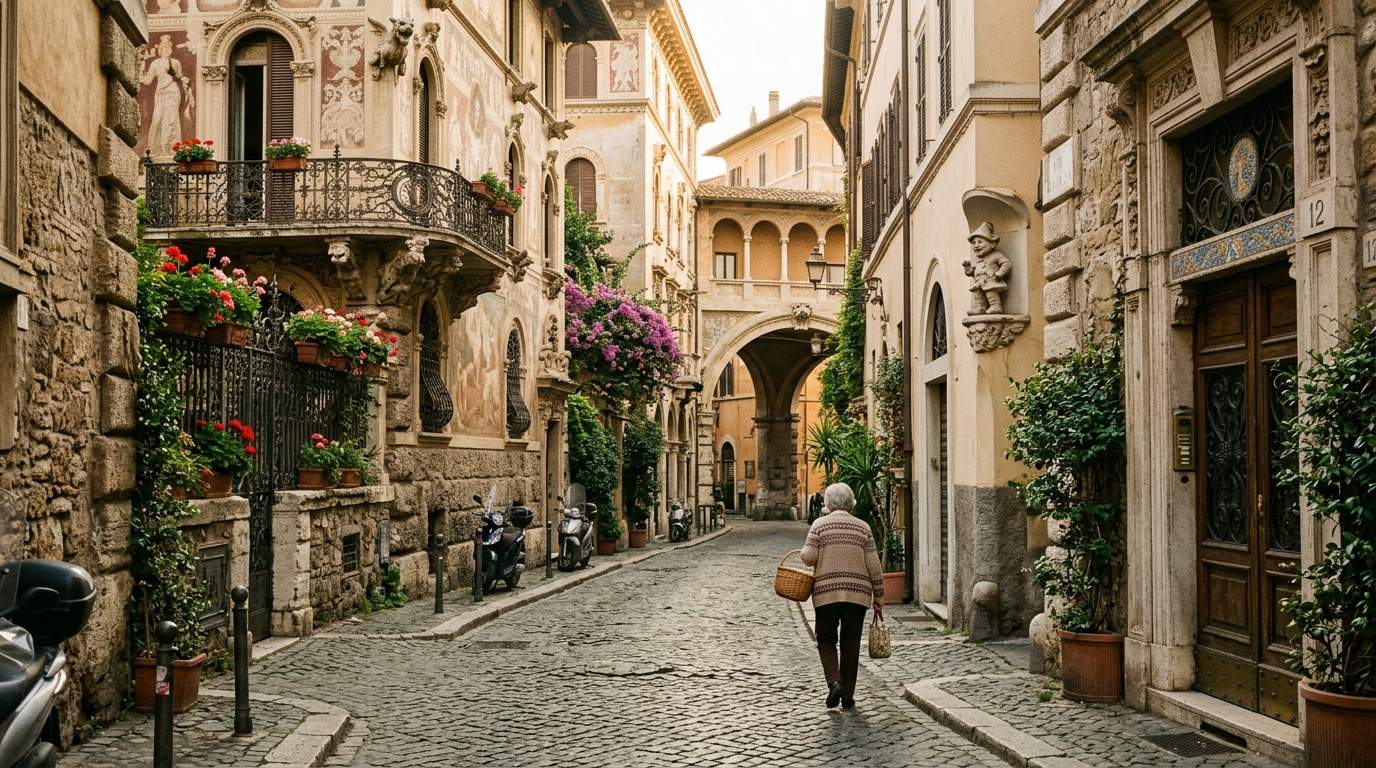
I remember it like yesterday: standing in a sun-drenched piazza, the afternoon light buttery against ancient stone. Not Piazza Navona, mind you, and certainly not the Trevi Fountain at peak selfie hour. This was a tiny, unassuming square tucked away behind a bustling Roman street, where the only sound was the murmur of an old woman watering geraniums and the distant clatter from a hidden trattoria kitchen. That moment, sipping an espresso that cost less than a bottled water near the Colosseum, made me realize what I had to share. Rome isn't just postcard perfect; it's a labyrinth of incredible experiences, but only if you know how to dodge the tourist traps that chew up your budget and patience.
Rome Beyond the Colosseum: Ditching Tourist Traps for True Value
Let's be real, you're going to see the Colosseum. You absolutely should. But if you think spending an hour in a queue, then elbowing your way through hordes of tour groups, is the "authentic Roman experience," bless your heart, you're in for a rude awakening. My first trip with friends, we practically sprinted from one 'must-see' landmark to another, ending up drained, overfed on mediocre, overpriced pasta, and wondering why our wallets felt so light. Seriously, that €8 gelato you just bought next to the Pantheon? My nonna would weep. These are the classic pits, shiny and enticing, but they suck the soul (and euros) right out of your trip. The trick isn't to avoid them entirely, but to approach them strategically, and then escape to where the real magic happens.
Quartiere Coppedè: Rome's Architectural Wonderland (Free & Crowd-Free)
On a solo trip, craving something utterly different, I stumbled upon Quartiere Coppedè. Nestled near the Trieste district, it’s like stepping into a whimsical fairytale designed by Gaudi if he’d been Roman. Picture this: ornate palaces, grotesque masks, frescoes, and whimsical sculptures, all crammed into a few blocks around Piazza Mincio. The highlight? The magnificent Arch of the Frogs and the Spider Palace. I spent a tranquil morning wandering, camera in hand, feeling like an urban explorer. It was free, utterly devoid of tourist buses, and offered a quiet contemplation of art and imagination that the crowded Sistine Chapel simply couldn’t. Just hop on a bus (like the 92 or 360) towards Viale Regina Margherita and ask a local for directions to Piazza Mincio – Romans are generally happy to help a curious traveler seeking out something special.
Testaccio Market: Feasting Like Romans, Not Tourists (Cost Breakdown!)
When my best friend, Marco, came to visit, I knew we had to eat. But not at some overpriced trattoria with a multilingual menu near the Spanish Steps where a plate of Cacio e Pepe costs €18. Oh no. We headed straight for Testaccio Market. This bustling, modern market is a sensory explosion, bursting with fresh produce, local meats, and, crucially, some of the best street food in Rome. We grabbed two generous supplì (fried rice balls with mozzarella) for €2 each, a massive Roman-style pizza al taglio slice for €4, and a panino with porchetta so tender it melted in your mouth for just €5. Compared to that €18 pasta, we ate like kings for a fraction of the price, and the atmosphere, filled with locals shouting greetings and laughing, was priceless. This is where you hear authentic Roman dialect, not just broken English directed at tourists.
Unlocking Ancient Secrets: Appian Way & Catacombs (Season-Savvy Tips)
My family visited one early autumn, and after the initial flurry of famous sites, my dad, a history buff, wanted something deeper. We rented bicycles (about €10-15 for half a day near the start of the Appian Way, or consider public transport if you prefer walking) and cycled a section of the ancient Appian Way. Imagine Roman emperors and legions marching these very cobbles! It was glorious. The autumn air was crisp, the light golden, and the crowds were minimal. Along the way, we explored the Catacombs of Callixtus (€8-10 entry fee), a stark, eerie, and utterly fascinating journey into early Christian burial sites. Visiting in shoulder seasons (April-May or September-October) is key here; a summer ride would be scorching, and the winter can be quite chilly. We packed sandwiches and water, turning it into a beautiful, low-cost day trip that offered both physical activity and profound historical immersion.
Smart Spending in Rome: Accommodation, Aperitivo, and Avoiding Rip-Offs
Let's talk money, honey. Staying in an Airbnb or a smaller guesthouse in neighborhoods like Trastevere (the real Trastevere, not the one right across the Ponte Sisto), Monti, or even Pigneto, will save you a fortune compared to hotels near the Pantheon. These areas offer authentic local life and better value for food and drink. For instance, an espresso at a local bar (standing at the counter like a true Roman) is typically €1.20-€1.50, but sit down in a piazza near a major attraction, and that same coffee can jump to €4-€5. And aperitivo? A revelation! Many bars, especially in less touristy areas, offer a drink (a Spritz for €6-€8) with a generous buffet of snacks, essentially an early dinner. That's a huge win for budget travelers! Always check your bill carefully, especially in tourist-heavy areas, and if a menu doesn't have prices listed, walk away. Trust me, I once saw a guy pay €12 for a small beer because he didn't ask first. Don't be that guy.
Rome is an incredible city, but it demands you look beyond the obvious. It asks you to wander, to question, and to embrace the unexpected. By seeking out its quieter corners and feasting like a local, you’ll not only save your hard-earned cash but also uncover a more profound, genuine connection with the Eternal City.