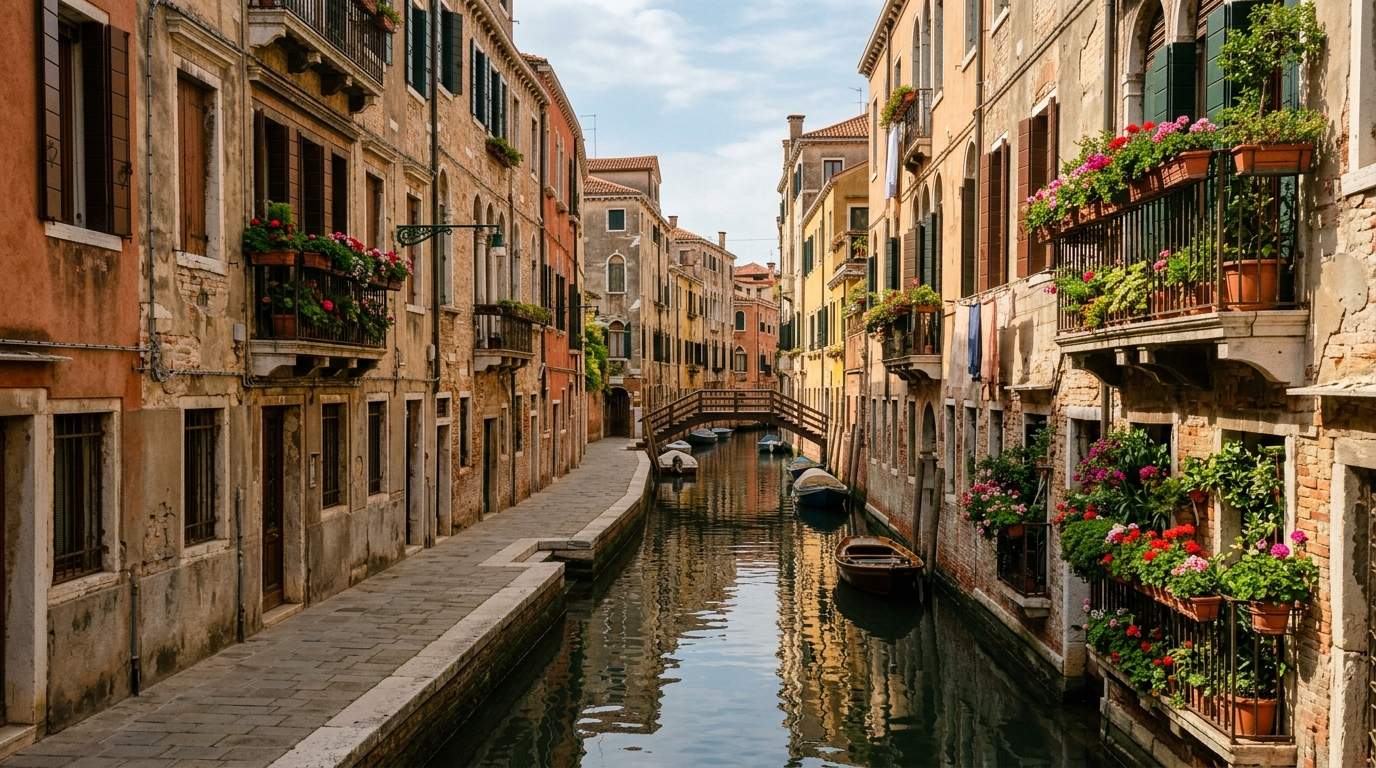
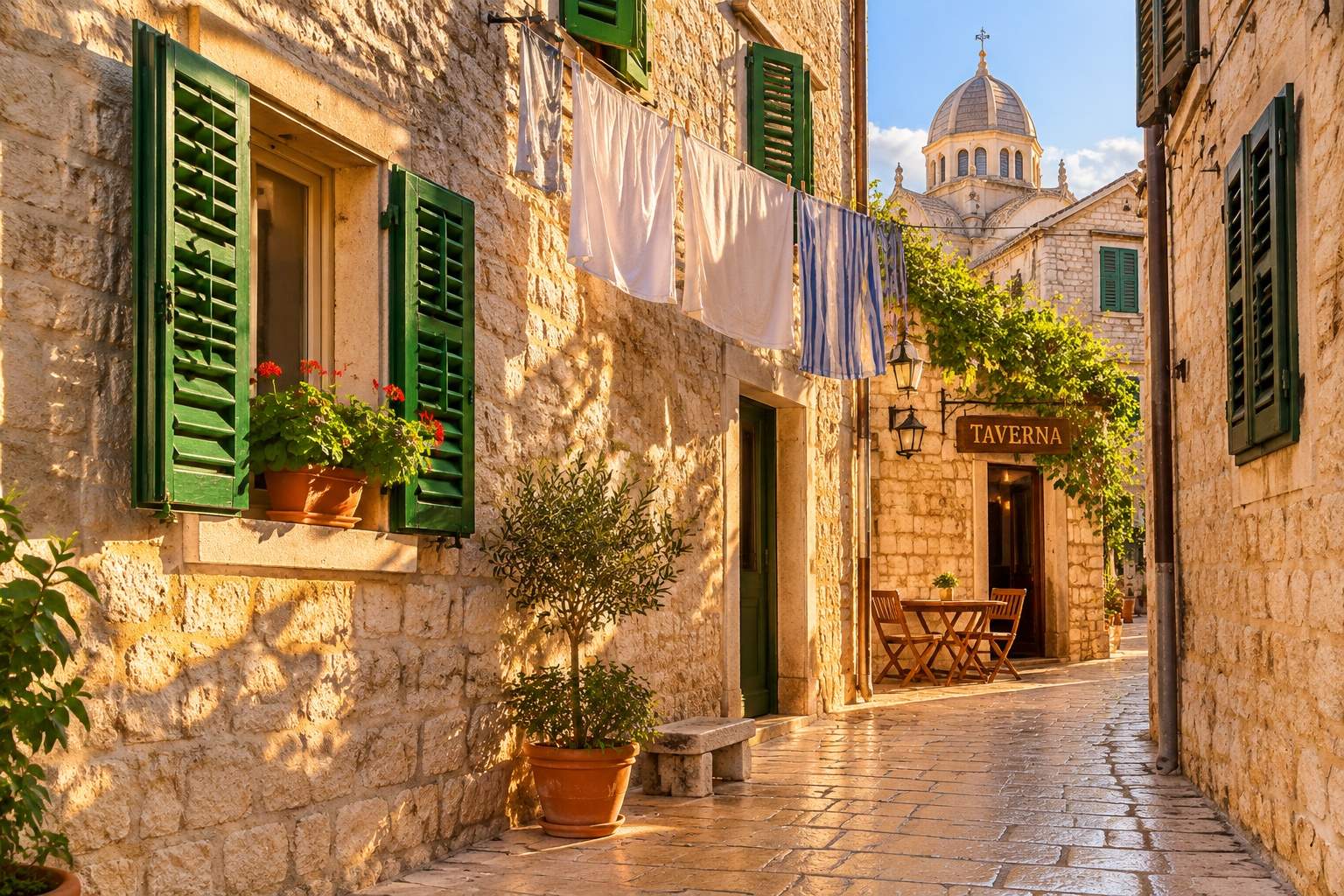
The wooden mooring post at the northern fringe of Fondamenta della Misericordia smelled of salt crust and diesel exhaust at eleven o'clock on a Tuesday night. Sitting there watching the canal churn under a single flickering streetlamp, my partner and I split a paper cone of fried polenta bites while three elderly men argued over card hands inside a doorway barely illuminated by an amber bulb. Just four bridges south of that spot, thousands of tourists were elbowing through alleys, paying astronomical sums for lukewarm espresso, completely unaware that actual Venetian life had retreated to these quiet canal rims hours ago.
Escaping San Marco Crowds for Authentic Venetian Neighborhoods
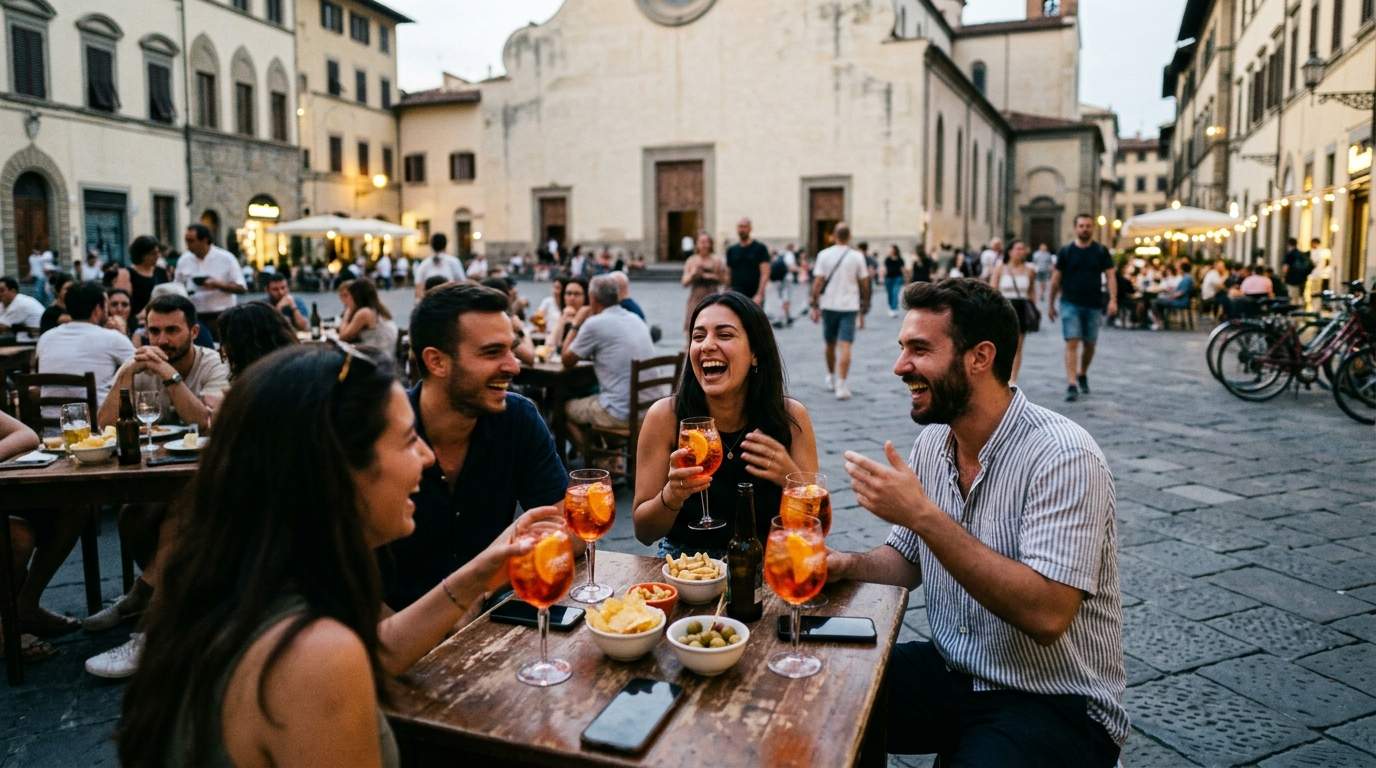
Walking past the gondola docks near the Doge Palace reveals a chaotic theater where travelers willingly hand over ninety euros for twenty minutes of sitting in traffic on muddy green water. My college friend dragged me through that exact corridor two years ago, and we ended up at an outdoor terrace where the bill slapped us with an unexpected twelve-euro per-person cover charge alongside fourteen-euro spritzes served in plastic tumblers. Compare that to the Jewish Ghetto and neighboring Cannaregio, where walking along Fondamenta dei Ormesini brings you to family-run bacari serving two-euro house reds and bite-sized cicchetti topped with creamed salt cod for less than two euros each. You lean against the brick quay, chat with students who balance their wine glasses on stone railings, and realize the real soul of the lagoon was never hidden behind a velvet rope in a crowded plaza.
Boarding Regional Trains to Treviso for Half the Dining Cost
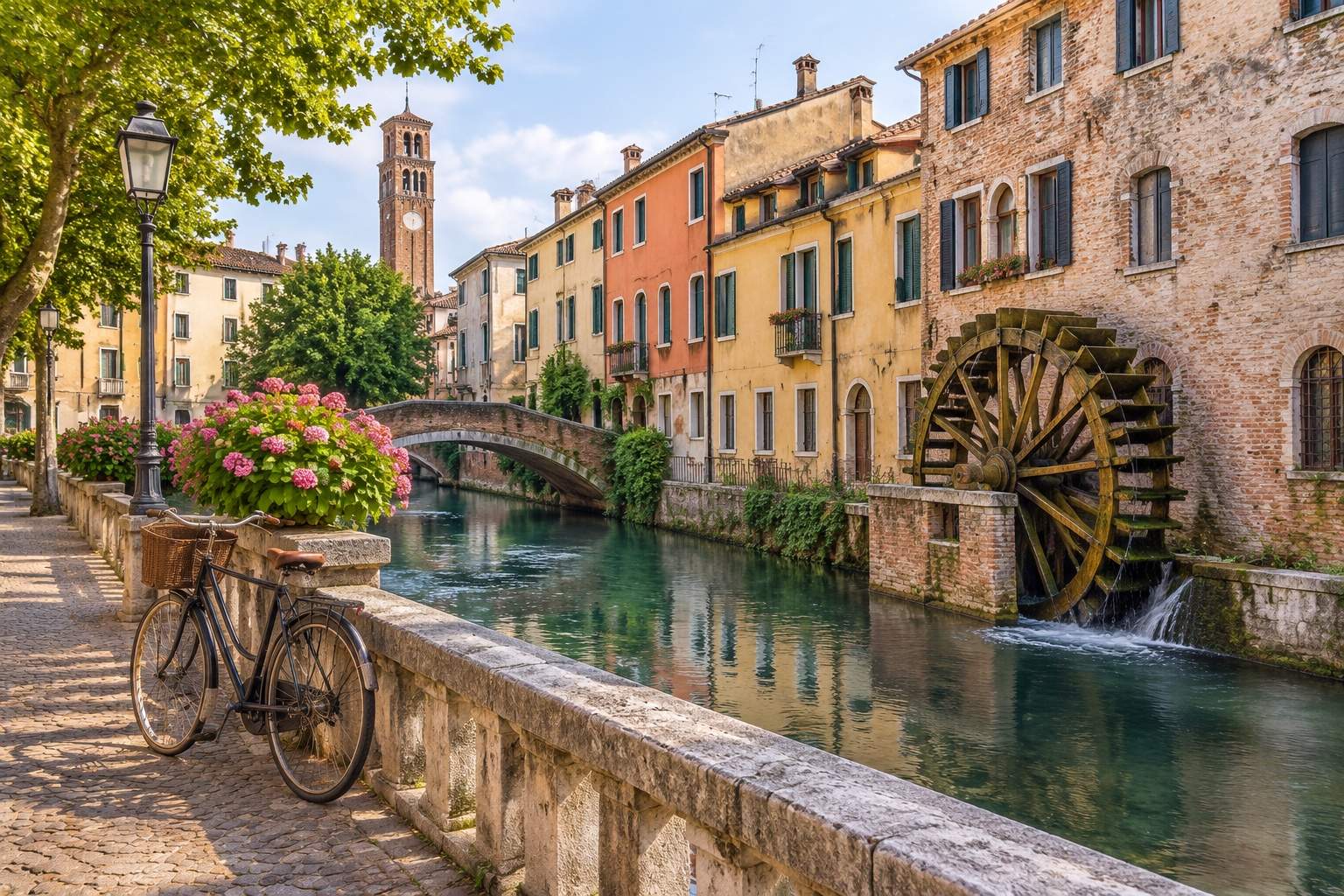
Taking the regional train from Santa Lucia station costs around four euros and forty cents, pulling you into Treviso within thirty minutes while leaving behind tourist-swarmed souvenir alleys. My sister joined me on this detour when we both refused to pay three hundred euros a night for damp Venice hotel rooms with broken radiators. In Treviso, waterwheels still turn behind medieval facades, and the buranelli butter cookies sold at century-old bakeries taste like pure dairy rather than stale industrial butter wrapped in glossy gift boxes. We spent an entire afternoon strolling along the Sile River canals without dodging a single selfie stick, ordering whole plates of braised radicchio and hand-rolled pasta at a neighborhood osteria for twenty-eight euros total between two adults.
Exploring Chioggia by Public Waterbus Instead of Private Tours
Riding public waterbus Line 11 south from the Lido terminal takes you across the maritime sandbars toward Chioggia, an active working fishing port often nicknamed miniature Venice without the glossy pretension. Walking down Corso del Popolo during early morning reveals fishermen unloading crates of langoustines, squids, and cuttlefish directly onto marble slabs under red canvas awnings. An older woman with flour-dusted knuckles handed me a paper cone of warm sarde in saor—fried sardines marinated in sweet onions and vinegar—and charged me four euros while giving directions toward the wooden bridge over Canal Vena. Unlike the main tourist islands where every storefront pushes identical plastic masks imported from industrial factories, Chioggia smells like sea salt, engine grease, and garlic frying in local olive oil.
Real Travel Budgets and Calculating Local vs Tourist Pricing
Looking at local receipts versus typical tourist itineraries clarifies where everyday travelers get bled dry across northern Italy. A standard sit-down dinner on the Grand Canal easily strips eighty to one hundred euros per person for frozen seafood reheated in bulk, whereas shifting your meals to traditional bacari outside the Rialto hub keeps your daily food intake under twenty-five euros per person. Local tap water from municipal fountains marked with cast-iron lion heads runs cold and safe year-round, eliminating the need to pay four euros for half-liter chilled bottles hawked by street vendors. Accommodation prices drop by nearly sixty percent the moment you drop anchor on the mainland rail line in Mestre or Treviso, leaving your daily spending intact for local experiences rather than overpriced lodging real estate.
Navigating High Tides and Changing Canal Seasons
Sloshing through autumn high tides means you must avoid purchasing flimsy ten-euro plastic boot covers that tear within three footsteps on slick paving stones. When the siren sounds across the lagoon signaling rising waters, locals pull on calf-high rubber boots or simply plan their foot routes around raised metal walkways installed along major avenues. The morning fog hanging low over the lagoon during late autumn strips away the tour-group gridlock, turning empty stone bridges into quiet misty pathways where your footsteps bounce loudly off damp limestone walls. Checking municipal water forecasts on open-access lagoon monitoring apps before setting foot out of your door prevents ruined sneakers and saves you from paying predatory prices for dry socks from opportunistic souvenir stands.
Swapping the commercialized tourist circus for regional rails and residential canals delivers genuine culture while saving hundreds of euros on food and transit. Smart travel along the Venetian lagoon comes down to stepping off the marked pedestrian corridors and following where the delivery boat drivers go for lunch.