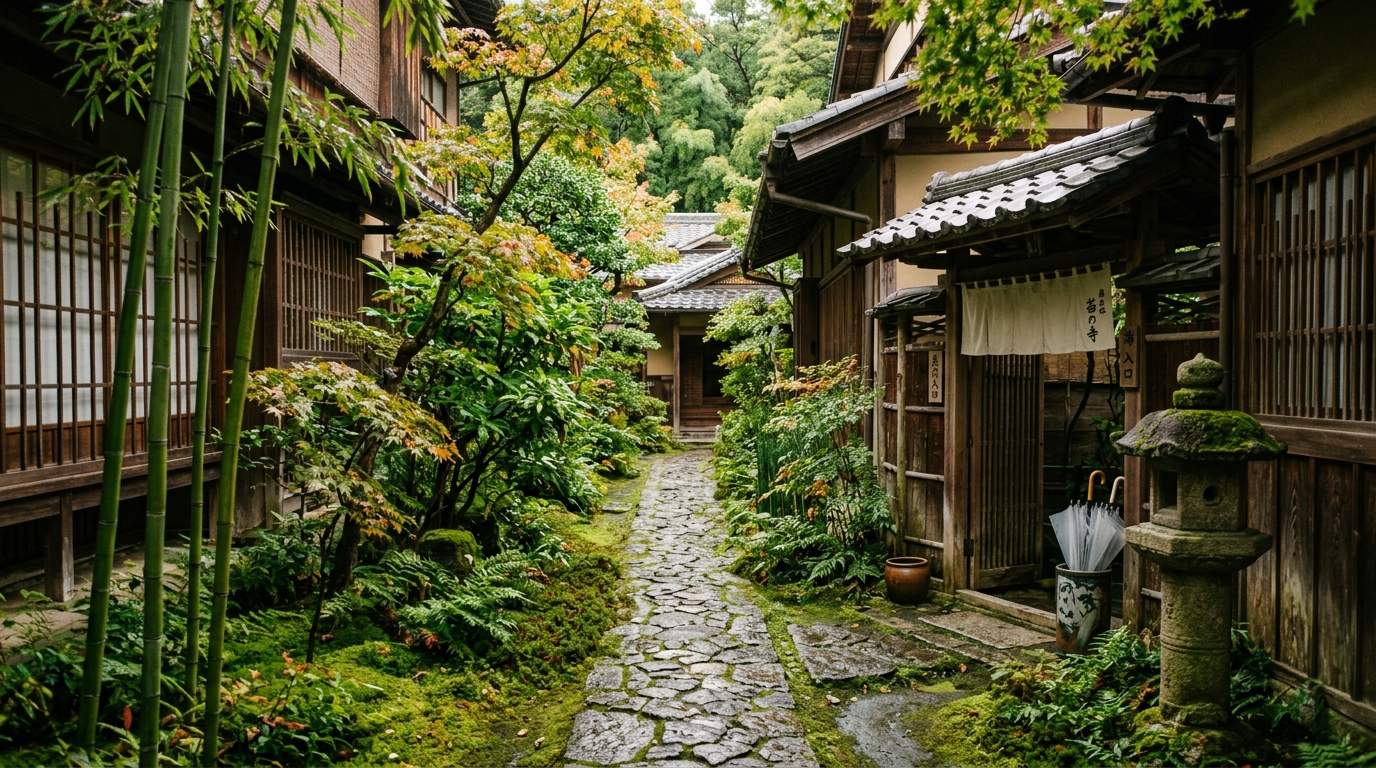
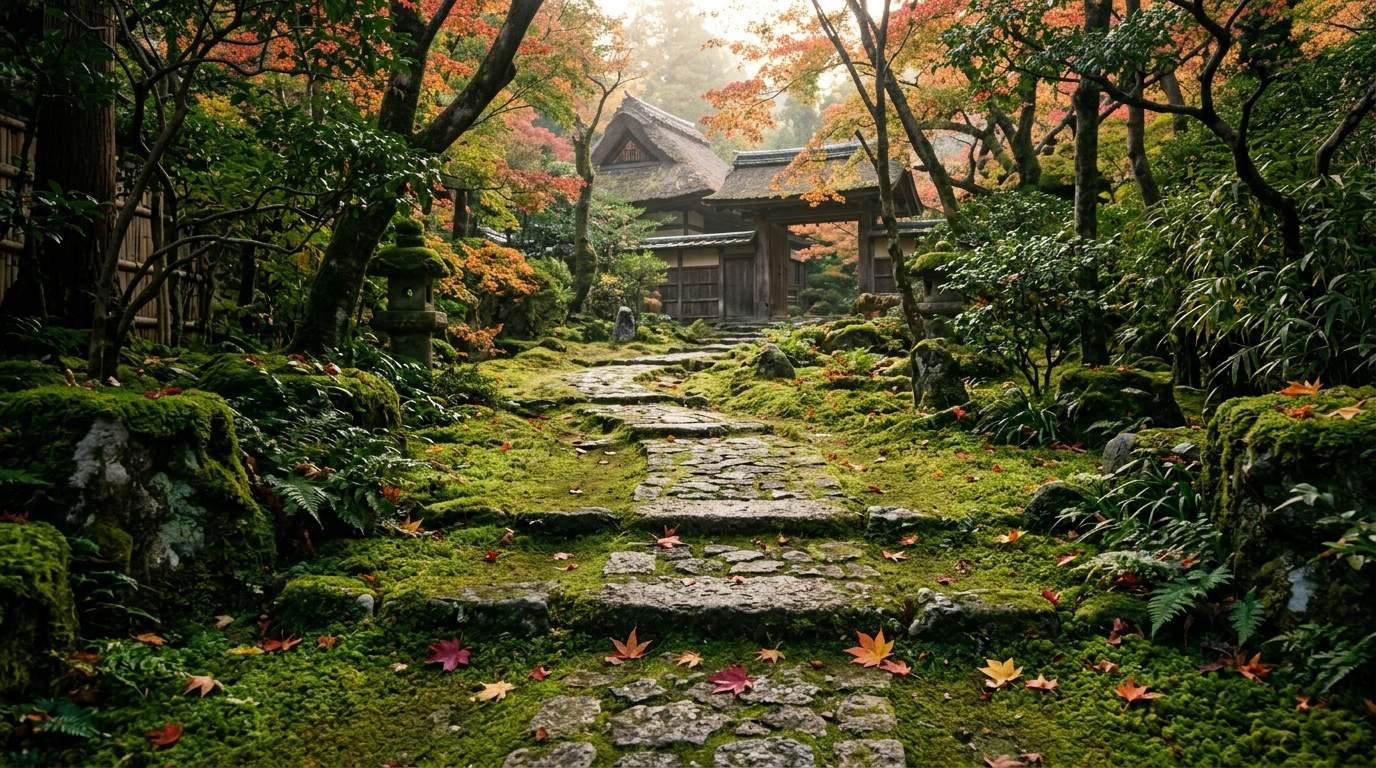
The first whisper of wind through the bamboo wasn't near Arashiyama's infamous grove, not for me. It was in a tiny, overlooked garden tucked behind a noodle shop in northern Kyoto, a place I stumbled upon by sheer, unadulterated luck (and maybe a little too much map-staring). The air, crisp and hinting at autumn, carried the scent of damp earth and distant incense. A lone gardener meticulously swept fallen leaves, each stroke a meditation. No camera-wielding hordes, no selfie sticks photobombing my peace, just the rustle of bamboo and the rhythmic sweep. This, my friends, is Kyoto, unburdened. The Kyoto they don't tell you about in those glossy travel brochures.
Kyoto's Serene Escape: Ditching the Digital Dictate
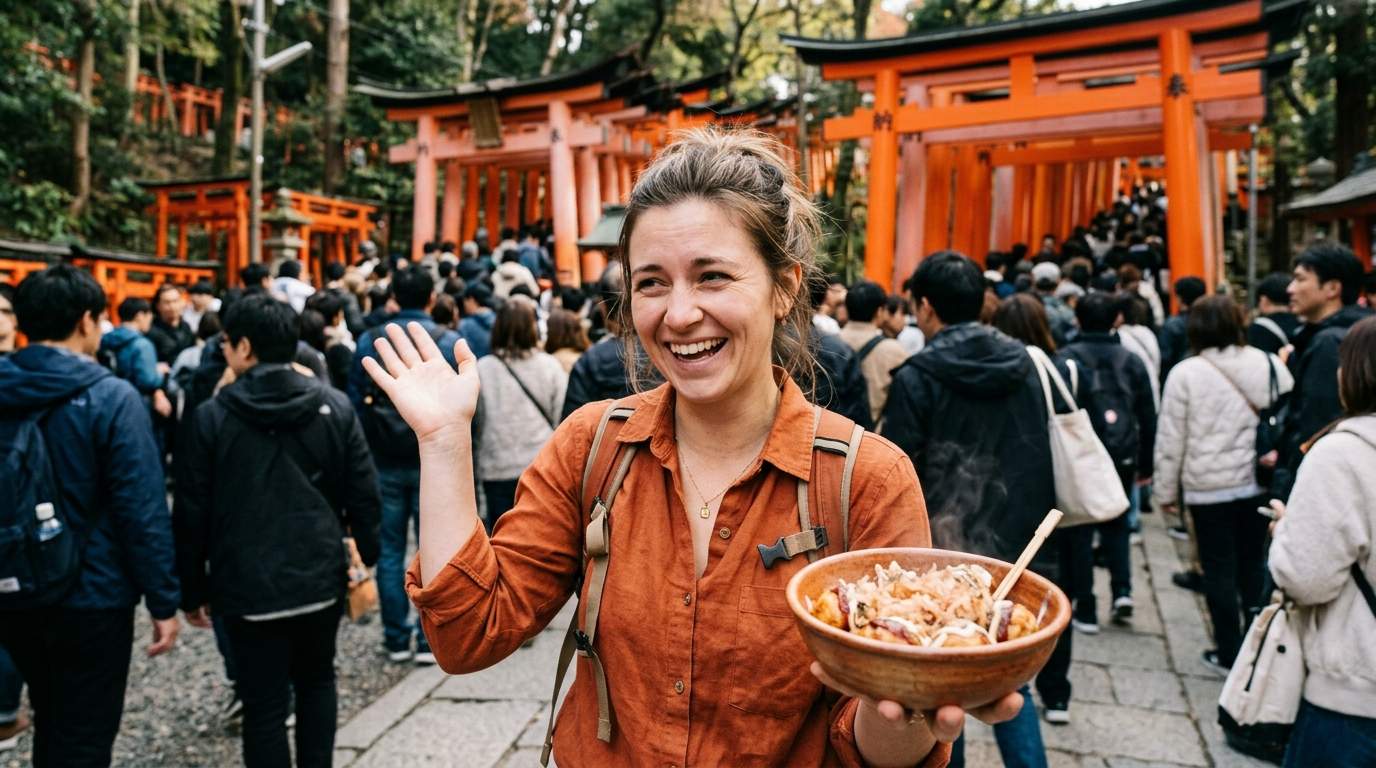
Forget the pre-packaged itineraries that herd you from one 'must-see' landmark to the next, often leaving you elbow-deep in fellow tourists and ¥1000 soft-serve. My travel mantra? Go opposite. When the hordes stampede towards Kiyomizu-dera at 10 AM, I'm heading away. One morning, while my friends debated the quickest route to Fushimi Inari's torii gates (which, let's be honest, now come with a mandatory photo queue), I found myself wandering towards Honen-in Temple. This wasn't some grand imperial palace, but a quiet, moss-covered haven near the Philosopher's Path. The entrance was free, and the only sounds were cicadas humming and my own quiet footsteps on the gravel path leading to a pond filled with carp. It was a tangible escape, a moment of profound tranquility that those famous spots, for all their beauty, simply can't offer amidst the crowds.
The Real Kyoto Eats: Your Wallet, Unharmed
"Did you just pay ¥1500 for that matcha latte?" my friend, Liam, exclaimed, gesturing at a tiny cup in a tourist-trap cafe near Gion. I just smirked, pulling out a perfectly respectable ¥300 can of green tea from a vending machine and a glorious ¥250 onigiri from a local convenience store. The truth about eating in Kyoto, especially if you're not planning to drop a month's rent on kaiseki, is that the best food isn't in the Michelin-starred establishments or the "authentic" restaurants with English menus. It's in the nondescript shokudo tucked down residential lanes.
Unlocking Local Flavors for Less
Take, for example, the little mom-and-pop udon shop I found off Karasuma Street, not too far from our guest house. No English menu, just a smiling obaasan pointing at plastic food models. For ¥650, I got a steaming bowl of kitsune udon that was pure comfort – a rich broth, springy noodles, and sweet fried tofu. My friends, after their ¥2000 "traditional" lunch near Arashiyama, looked genuinely envious. We later discovered that local supermarkets like Fresco or Life become your best friends for dinner. Grab a fresh bento box, some seasonal fruit, and a local sake for a fraction of restaurant prices. It's not just cheap; it's a real peek into local life, avoiding the tourist markups entirely.
From Crowds to Calm: Navigating Arashiyama, My Way
Everyone goes to Arashiyama for the bamboo grove. And everyone, predictably, goes at the same time. The first time I went, I felt like a salmon swimming upstream in a human river. This time, armed with experience, my strategy was simple: embrace the reverse. We were out of the guesthouse by 6 AM, hopping on the Hankyu Arashiyama Line. The air was cool, almost chilly, even in early October. By the time we walked through the main Arashiyama area, past the still-closed souvenir shops, the bamboo grove was blessedly quiet. The shafts of green towered above, casting long shadows, and the only sounds were the whisper of the stalks and the occasional bird call. The entrance to Tenryu-ji Temple, just beside the grove, was also serene when it opened, allowing us to wander the Sogenchi Teien garden in near solitude before the tour buses arrived.
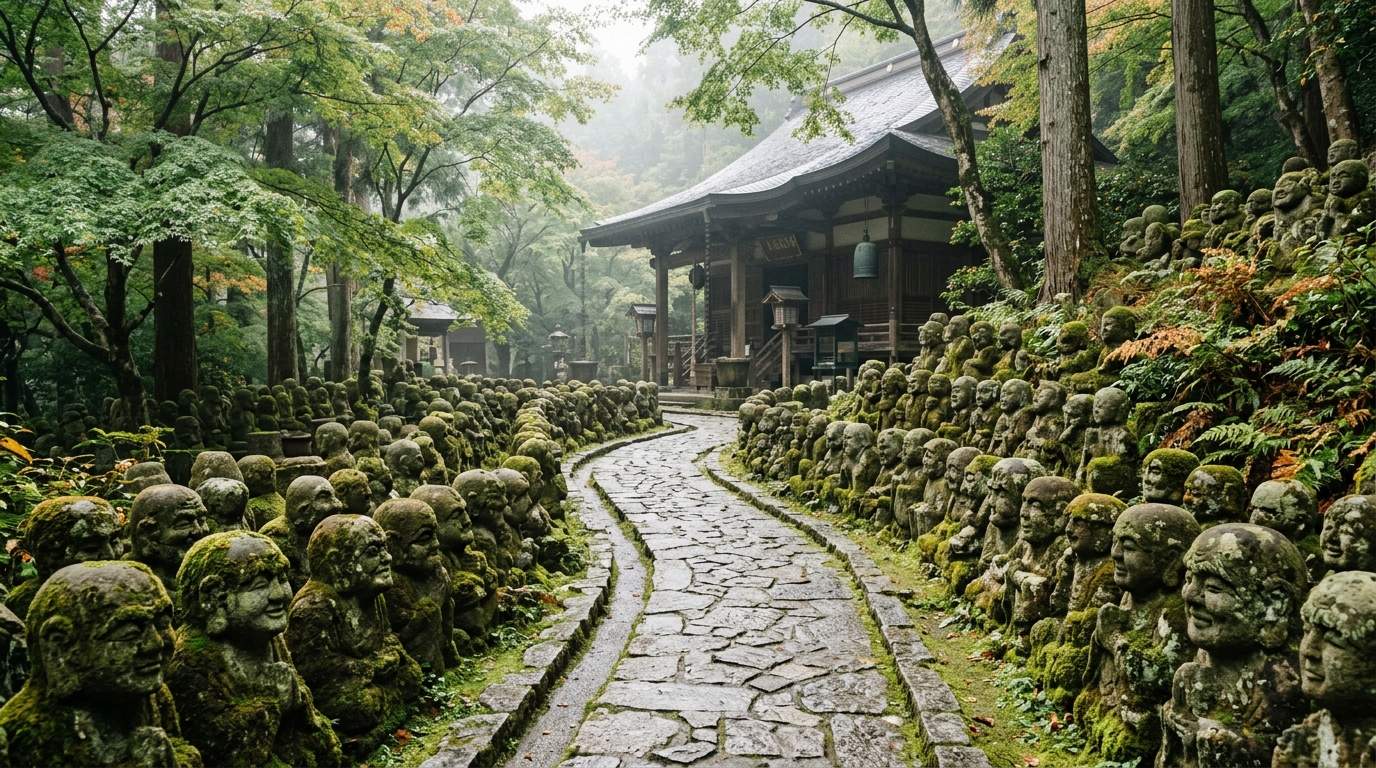
But the real win? Heading further north, a 20-minute walk beyond the main crowds, to Otagi Nenbutsu-ji Temple. Hundreds of moss-covered Rakan statues, each with a unique, often humorous, expression, dotted the hillside. It cost ¥400 to enter, but the experience was priceless. We spent an hour simply wandering, discovering new faces, feeling like we'd stumbled into a secret garden of playful spirits. Meanwhile, my friends texting from the Togetsukyo Bridge were complaining about the "madhouse" and "impossible photo ops."
The Geisha District Unfiltered: Beyond Gion's Glamour
Gion. The name conjures images of elegant geiko slipping between machiya houses. The reality? Often, it's hordes of tourists snapping photos, some disrespectfully, and a smattering of overpriced eateries catering to just that. While a glimpse of a geiko is indeed magical, chasing it amidst the chaos can be exhausting. Instead, I suggest diverting your attention slightly to Pontocho Alley, especially in the evening. It's still popular, but generally more intimate, with narrow lanes filled with lanterns and smaller, more accessible restaurants, often offering better value.
Peeking Behind the Screens: Authenticity on a Budget
One evening, after exploring the quieter backstreets near Pontocho, we decided to forgo a fancy meal. Instead, we found a small standing-bar izakaya tucked away, its red lanterns casting a warm glow. For ¥500 each, we grabbed a beer and some delicious yakitori skewers (about ¥200-300 a piece). It wasn't about the geisha, it was about the atmosphere, the clinking of glasses, the murmur of local conversation. This was the authentic Kyoto experience I craved – vibrant, unpretentious, and surprisingly affordable. No reserved tables, no set menus, just good food and good company.
Kyoto's Underbelly: Where History Whispers Free
Beyond the big-ticket temples and Instagram hotspots, Kyoto has an incredible network of public spaces, parks, and charming canals that offer rich cultural immersion without a single yen spent on entry. The Philosopher's Path, while famous for cherry blossoms, is a beautiful, free walk any time of year. Go at dawn, and you'll share it only with local joggers and the occasional stray cat. The subtle changes in light, the reflections on the canal, the tiny shrines tucked along the way – these are the details that etch themselves into memory.
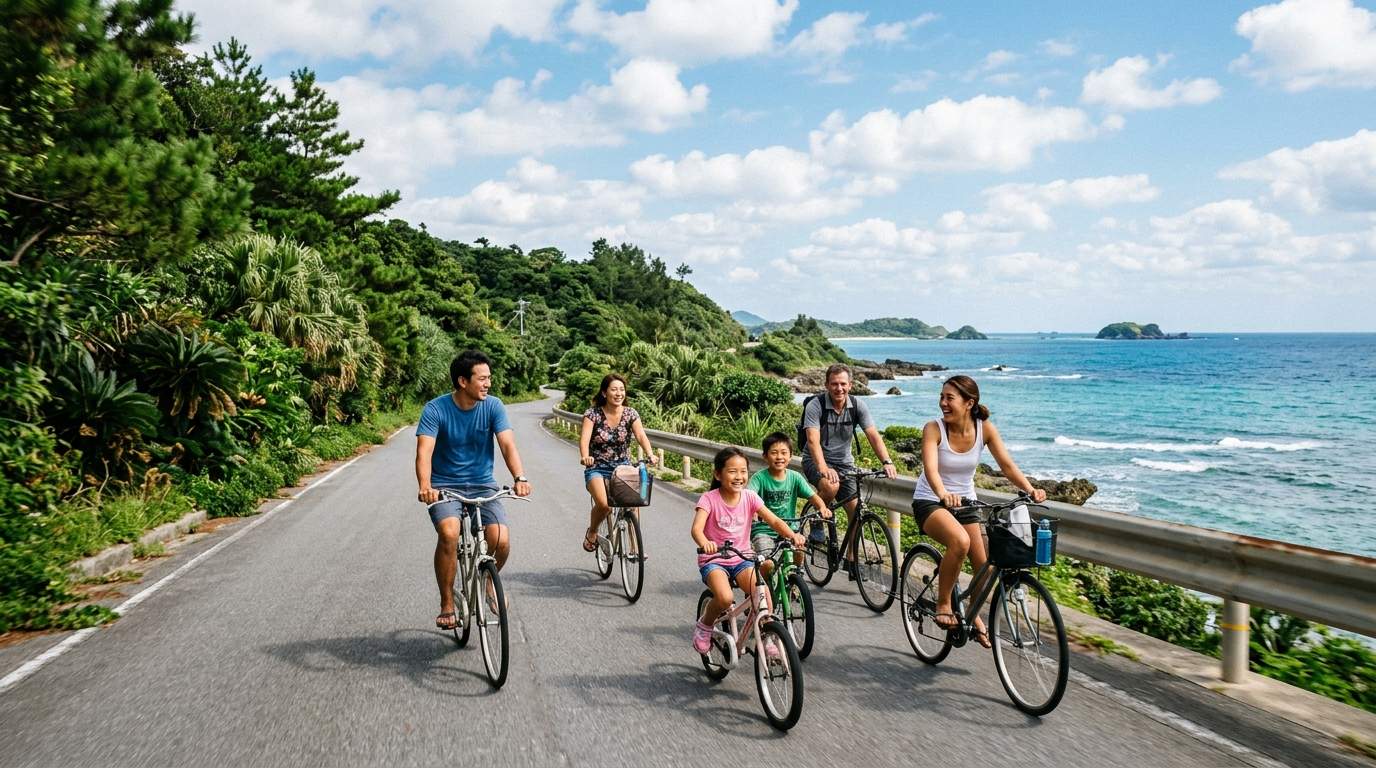
Or consider a different kind of transport: cycling. Many guesthouses offer bike rentals for about ¥1000-¥1500 a day. We spent an entire afternoon simply cycling along the Kamo River, watching families picnic, students reading, and couples strolling. It was a completely different perspective, feeling the city's pulse, not just seeing its monuments. And if you're there during autumn, don't feel you need to pay entry fees to see spectacular foliage; the trees in every park, along every street, blaze with color. Just walk!
The secret to experiencing Kyoto without the fatigue of crowds or the sting of tourist pricing isn't about finding the hidden gem, but about shifting your perspective. It's about arriving before the tour buses, lingering after they leave, and wandering into the unassuming places locals frequent. My travel budget barely flinched, yet my memories are brimming with serene moments, delicious discoveries, and authentic interactions that feel richer than any overpriced souvenir. Kyoto's true magic isn't bought, it's simply discovered when you're willing to step off the well-trodden path and embrace the quiet hum of its real life.