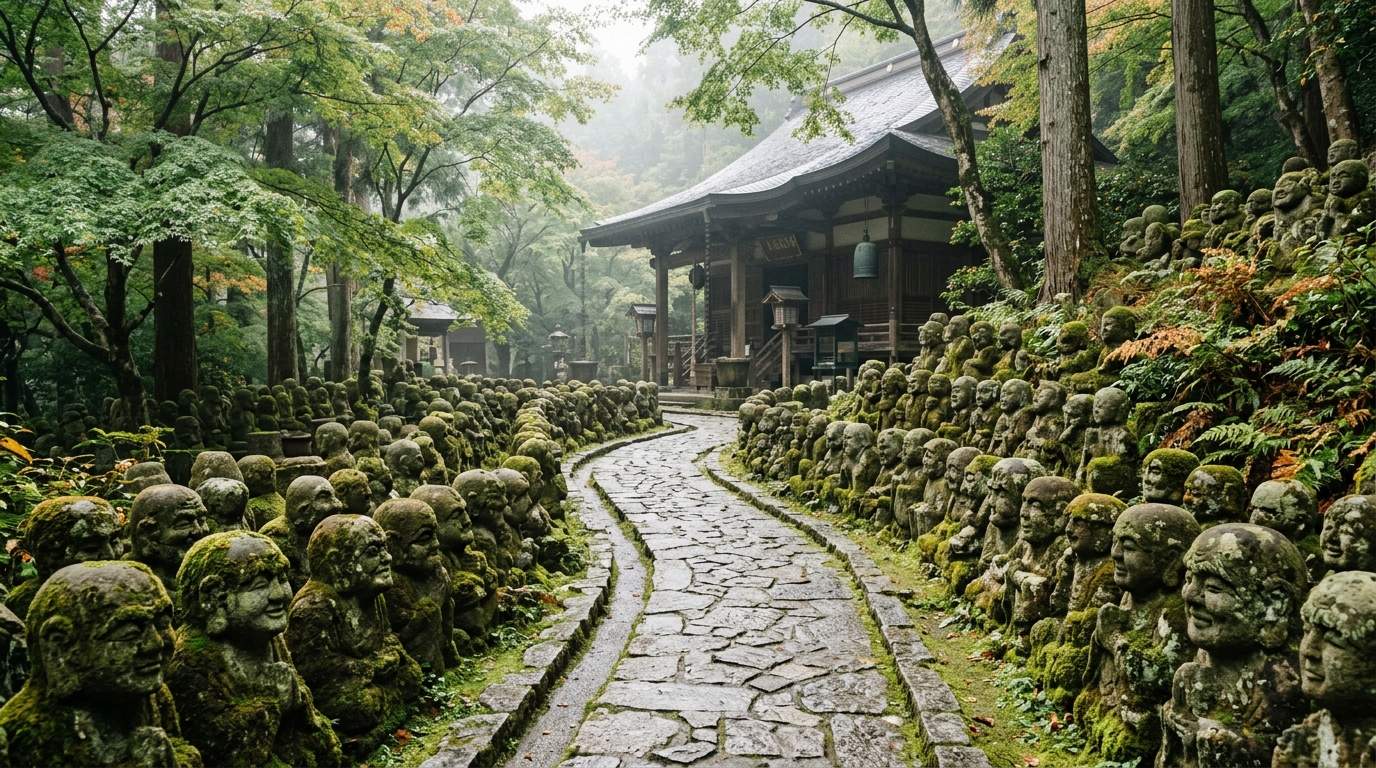
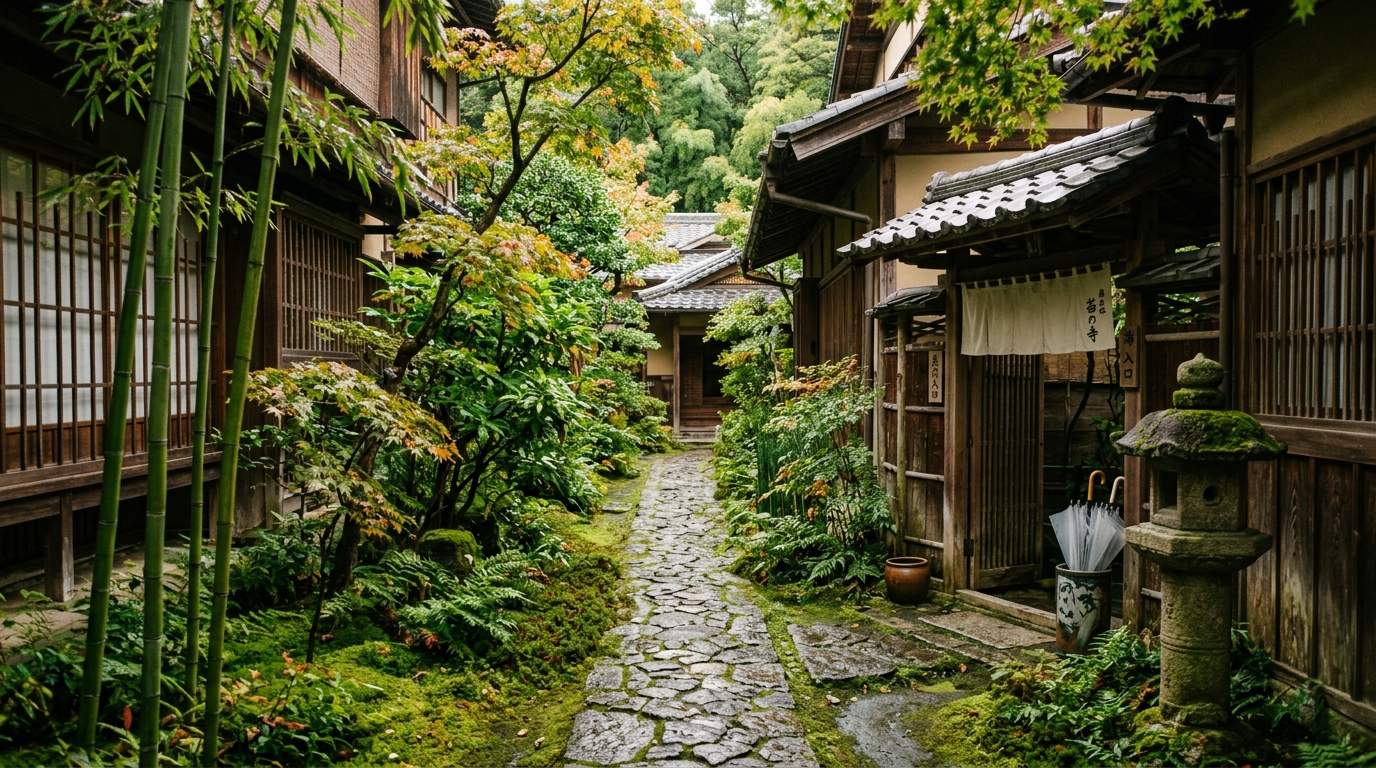
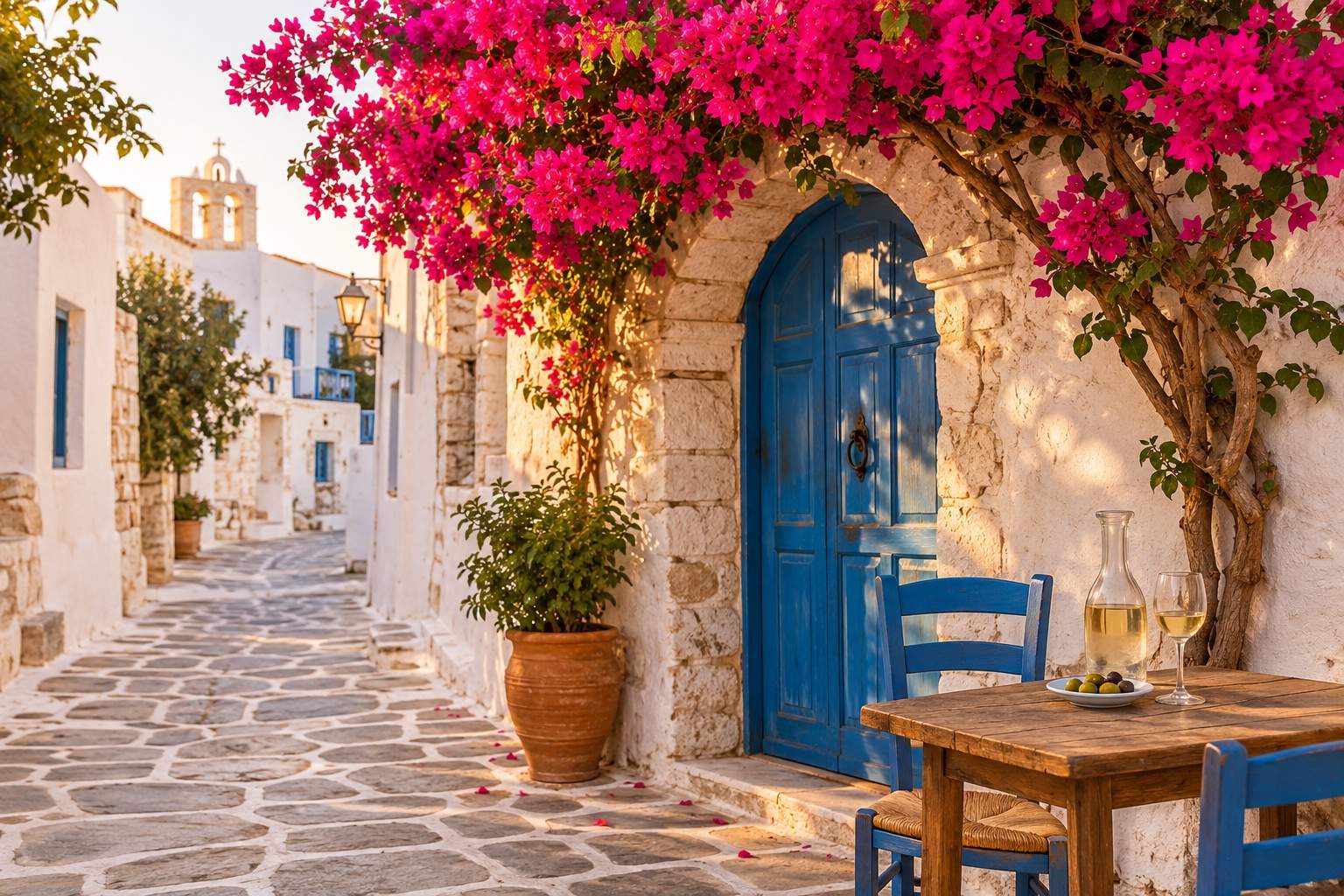
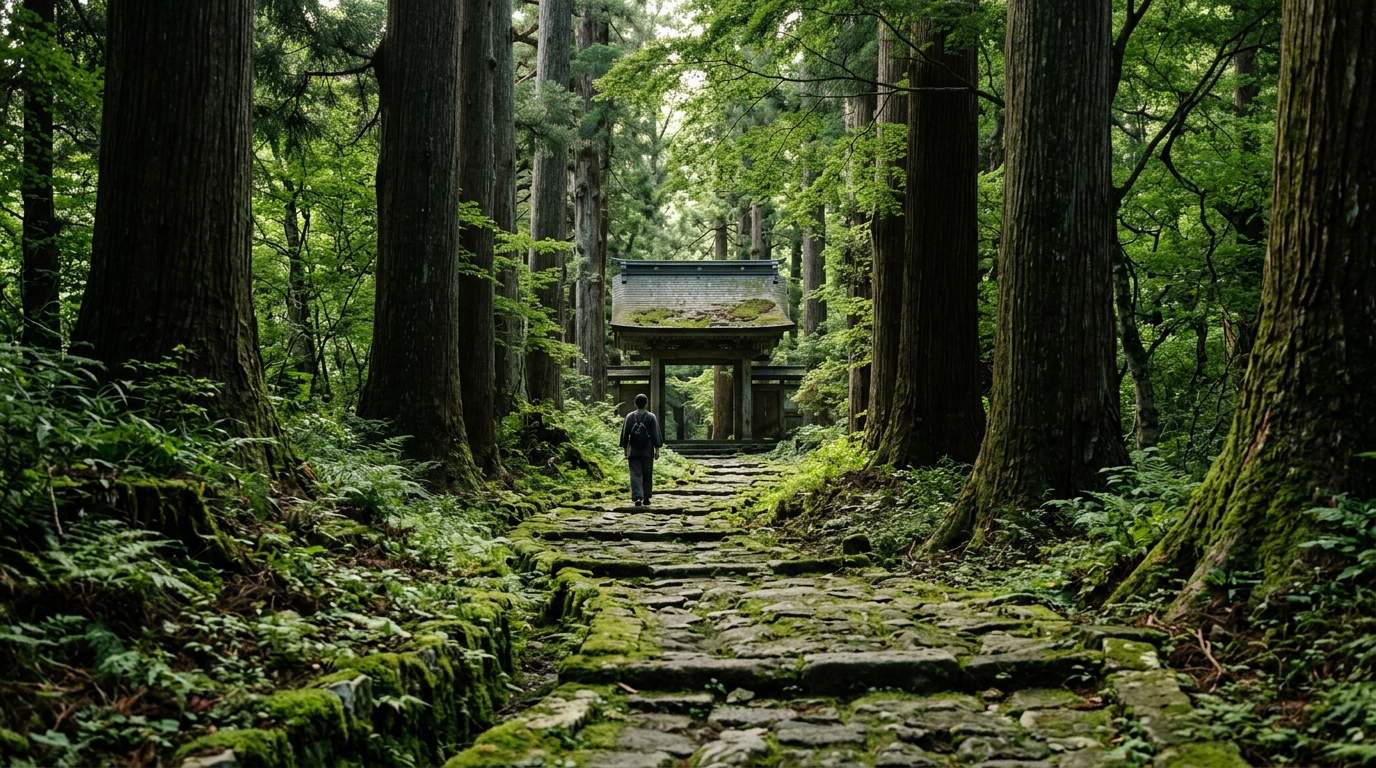
The air was crisp, carrying the scent of pine and damp earth, as a gentle breeze rustled the ancient cedars towering over us. Far from the maddening selfie sticks of Arashiyama and the perpetually crowded gates of Kiyomizu-dera, we found ourselves utterly alone, save for a lone monk sweeping fallen leaves with rhythmic grace. This wasn’t the Kyoto plastered on every Instagram feed; this was a whispered secret, a pocket of tranquility stumbled upon after a delightful 45-minute local train ride that cost less than a fancy coffee. My friends and I exchanged knowing glances – we’d cracked the code, sidestepped the tourist industrial complex, and found the real heart of Japan’s ancient capital, without needing to take out a second mortgage.
Ditching the Golden Pavilions: Kurama & Kibune's Mountain Serenity
If your idea of a perfect Kyoto day doesn't involve being elbowed by a thousand tour groups, then listen up. Forget the gleaming, gold-leafed clichés for a moment. Instead, hop on the Eizan Electric Railway from Demachiyanagi Station – a journey that's an experience in itself, winding through suburban landscapes before plunging into dense, emerald forests. Our destination: the spiritual mountain villages of Kurama and Kibune. The train ticket was a mere ¥430, a fraction of what you’d spend on a taxi just to get stuck in city traffic. We started our adventure at Kurama-dera Temple, a vast complex nestled high in the mountains. The hike up was invigorating, past towering sugi trees and moss-covered stone lanterns, a genuine pilgrimage route. "Seriously, why aren't more people doing this?" my friend Maya gasped, pausing to take in a panoramic view that stretched across verdant valleys, a clear antithesis to the urban sprawl below. "Because they're all queuing for matcha lattes in Gion, probably," I shot back, taking a triumphant swig from my water bottle. The entry fee for Kurama-dera? A modest ¥300 – practically free compared to some of the city's more 'famous' (read: overpriced) temples.
Soba by the Stream: A Meal That Doesn't Break the Bank
After descending the mountain path from Kurama to Kibune, a path said to be traversed by mythical tengu, our stomachs were rumbling. Kibune is famous for its riverside dining (kawadoko), where restaurants build platforms over the Kibunegawa River during summer. It's beautiful, but also notoriously expensive. We, however, spotted a tiny, unassuming soba shop tucked away from the main drag, where locals were slurping noodles with gusto. A hearty bowl of tempura soba set us back ¥900, compared to the ¥3000+ price tag for a kawadoko set meal. The elderly woman serving us, giggling at our attempts at Japanese, even threw in some extra pickles. That's the real Kyoto charm, not the forced performances at a tourist trap.
Ohara: Where Time Slows and Wallets Rejoice
Another escape, this time north of the city, brought us to Ohara, a tranquil rural village often overlooked by first-time visitors. The bus ride from Kyoto Station took about an hour and cost ¥600, a pleasant journey through increasingly scenic countryside. Ohara feels like stepping into a postcard from a different era. Our primary goal was Sanzen-in Temple, famed for its moss gardens and ancient cedar trees. The ¥700 admission felt justified; the sheer beauty and profound peace were priceless. We spent hours wandering the grounds, listening to the melodic trickle of water features, truly disconnecting. "This is what I came to Japan for," remarked Leo, usually the most restless of our group, his voice hushed. We watched a local farmer tend to his fields, the air thick with the scent of fresh soil. Lunch was a bento box bought from a small grocery store near the bus stop for ¥500, enjoyed sitting by a quiet stream, miles away from the ¥1500 'tourist special' bentos near popular attractions.
Fushimi Inari's Secret Path: Outsmarting the Torii Trap
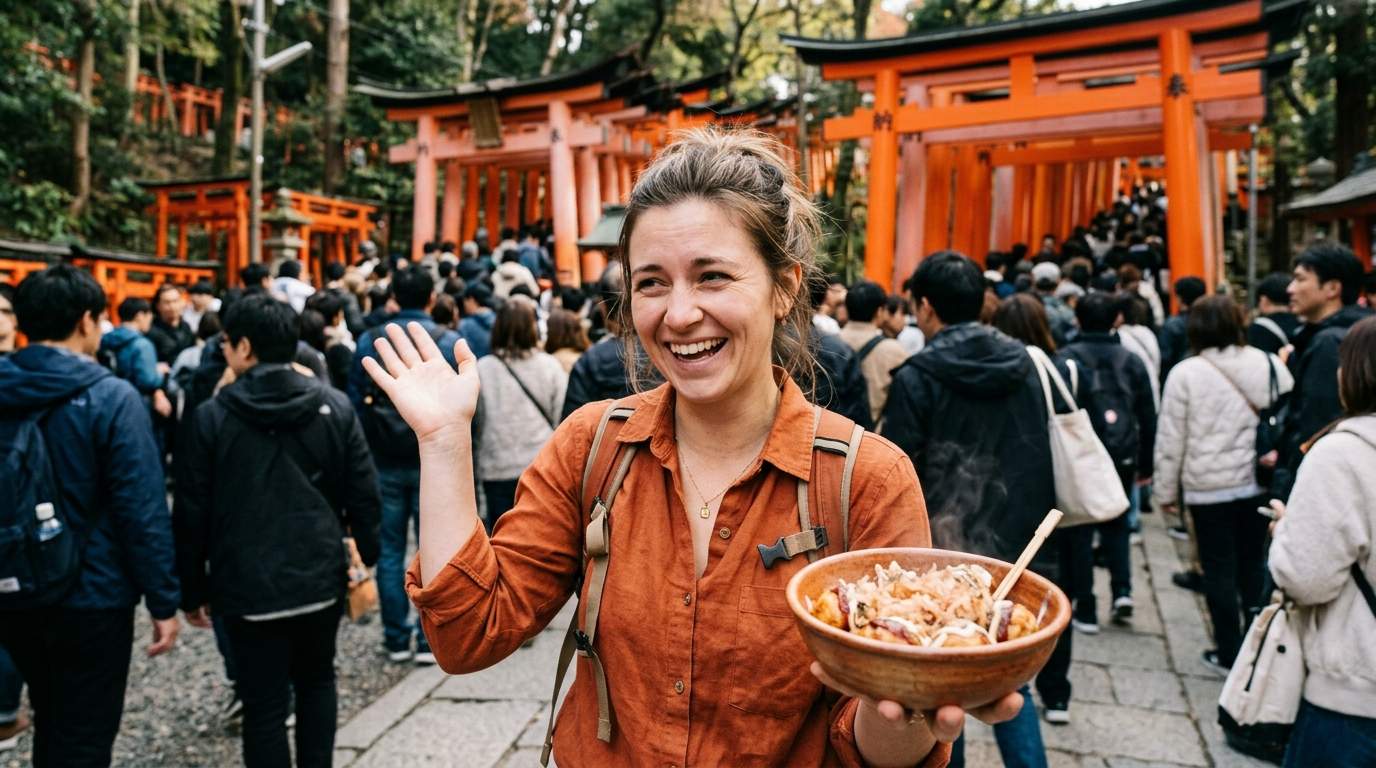
Alright, Fushimi Inari Taisha isn't exactly "niche," but there's a niche way to experience it without wanting to tear your hair out. Everyone goes to Fushimi Inari in the morning, starts from the bottom, and fights for space among hundreds of other visitors taking the exact same photo. We, however, went rogue. We arrived late afternoon, around 4 PM, just as the main crowds were thinning. More importantly, we bypassed the main entrance altogether and started our hike from a lesser-known side path near the upper shrines. This meant we were walking down the mountain as others were still struggling up, creating clear pathways and giving us an almost private viewing of the iconic vermillion torii gates. "This feels illegal, but in a good way," joked Ben, as we practically had entire sections of the path to ourselves, the setting sun painting the gates in even deeper hues. As for sustenance, ignore the overpriced street food stands right at the main entrance. Venture a block or two away, and you’ll find small local eateries offering kitsune udon (fox udon, a local specialty) for ¥650, a stark contrast to the ¥1000+ for the same dish near the tourist scrum.
Feasting Like a Local: Supermarket Sushi & Izakaya Bargains
Eating out can quickly decimate a travel budget, especially in Japan. But here's the kicker: Japan's supermarkets are a treasure trove of incredible, budget-friendly food, especially after 7 PM. That's when pre-made sushi sets, bento boxes, and prepared side dishes get discounted, sometimes by as much as 50%! One evening, we scored a deluxe sushi platter, a couple of onigiri, and some local craft beers for less than ¥1500 combined from a Fresco supermarket. We took it back to our budget guesthouse common area and had a feast that rivaled any mid-range restaurant. For a more social evening, avoid the neon-lit tourist traps near Kyoto Station. Instead, seek out a small, local izakaya in a less prominent neighborhood like Sanjo or Nishioji. We found one that didn’t even have an English menu (a good sign!) but whose friendly owner used a translation app to help us order. Yakitori skewers for ¥150 each, delicious karaage for ¥400, and large beers for ¥500. It was a fraction of the cost of tourist-centric places and offered a genuine glimpse into local nightlife.
The Bottom Line: Your Wallet's Best Friend in Kyoto (and Beyond)
Traveling Kyoto doesn't have to be an exercise in crowd management or a blow to your bank account. Our collective experience proved that stepping off the well-trodden path, embracing local transport, and being smart about where and what you eat can transform a potentially overwhelming trip into an authentically enriching and incredibly cost-effective adventure. We opted for shoulder seasons (late spring/early autumn) to avoid peak prices and overwhelming crowds, which meant comfortable temperatures for hiking and generally pleasant weather. Public transport is efficient and cheap; a day pass for buses and subway can save you if you plan to hit multiple spots (around ¥900 for a bus-only pass, ¥1100 for a combined pass). Always buy water from convenience stores (¥100-¥150) rather than vending machines near tourist sites (¥200+). And remember, the real magic often lies in the unexpected detours and conversations with locals, not in ticking off every famous landmark.
This isn't about skipping Kyoto's highlights entirely, but about experiencing them on your terms, finding the quiet corners, and discovering the city's true, unvarnished beauty without breaking the bank or your spirit.