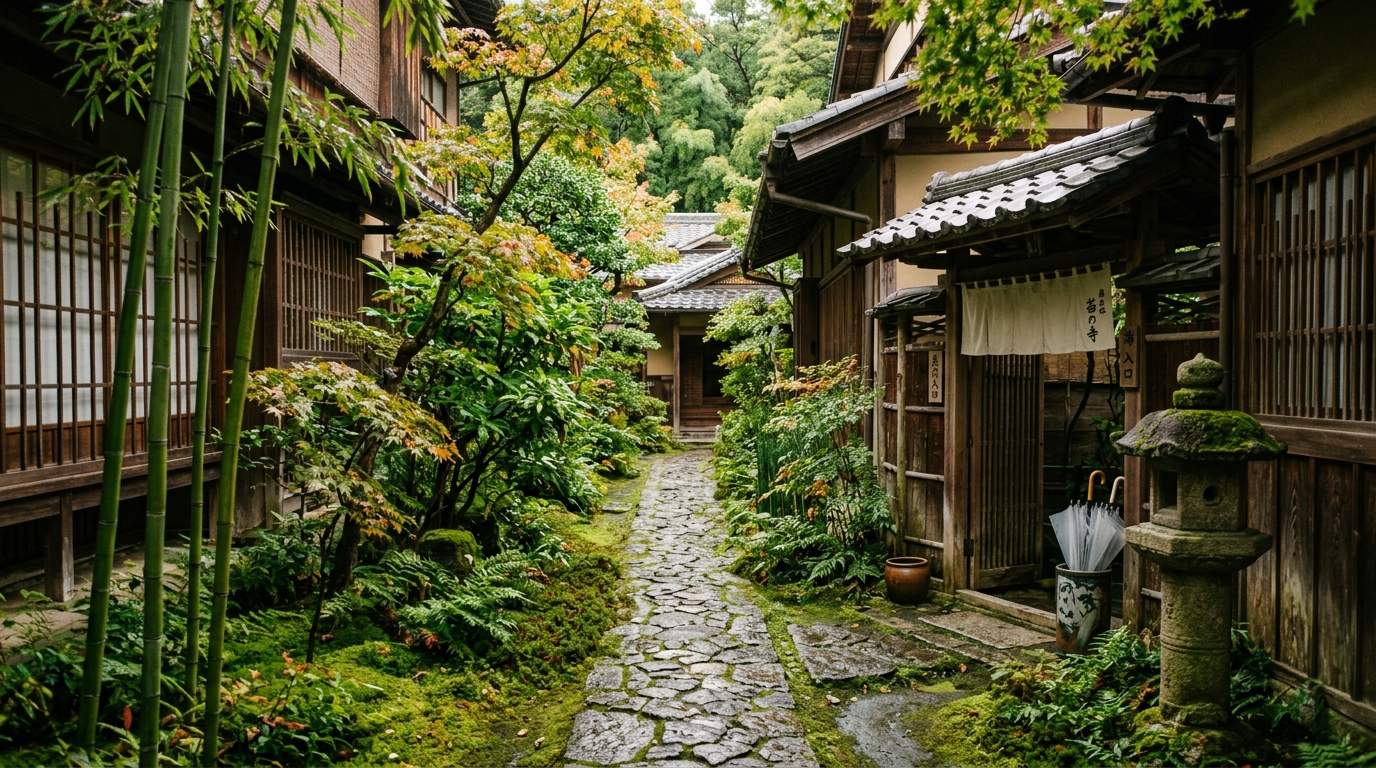
The quiet crunch of gravel underfoot, the cool, crisp air carrying the faint scent of cypress and damp earth, and not a single selfie stick in sight. This wasn't the Kyoto overflowing with Instagram-hustlers and busloads of package tourists; this was the Kyoto whispered about in hushed tones by those who’ve truly found it. A place where ancient serenity hasn't yet been commodified, where beauty isn't curated for the camera, and where your wallet can breathe a sigh of relief. If your last trip to Japan felt like a glorified queue-fest, I get it. But trust me, there’s another way.
Escaping the Golden Horde: A Morning Masterclass in Reverse Travel
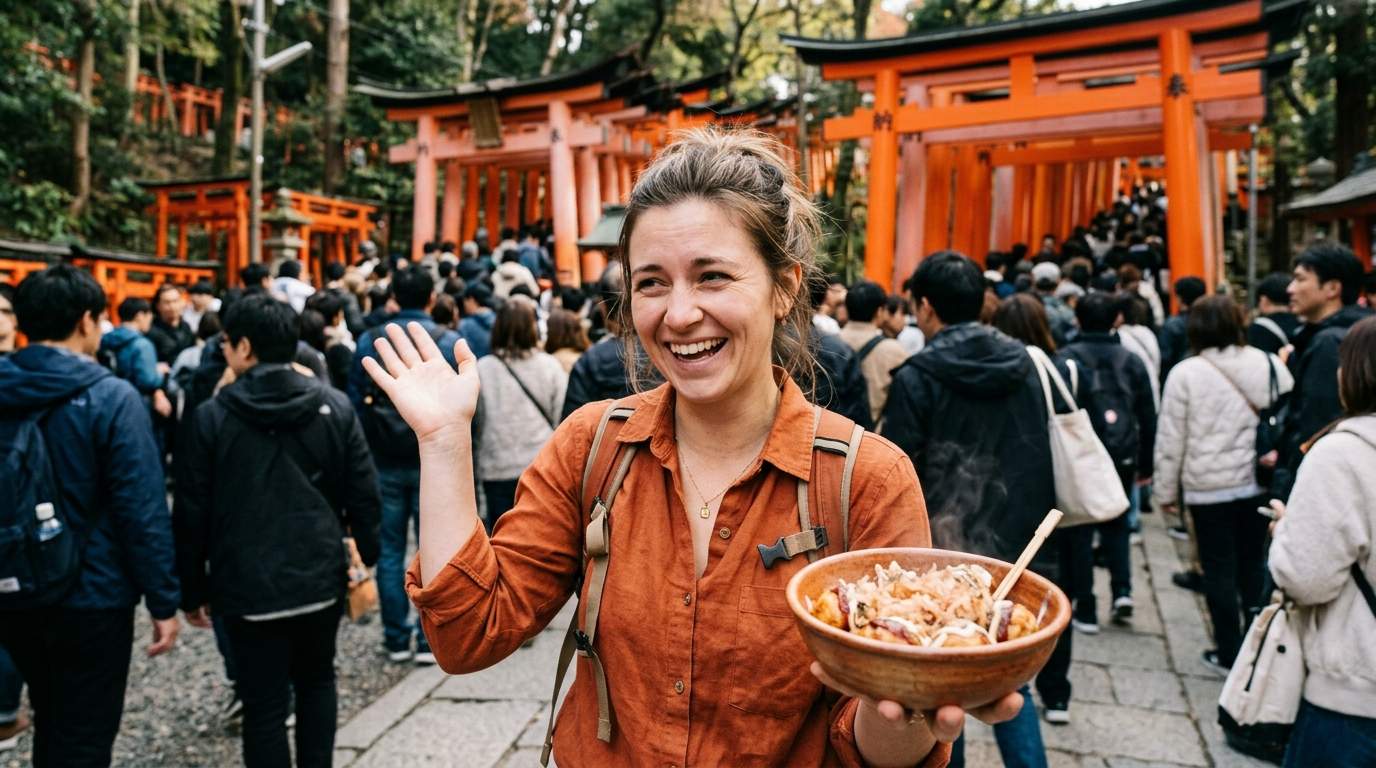
Every guidebook screams "Fushimi Inari Taisha!" and for good reason – those endless vermilion torii gates are iconic. But so are the throngs of people vying for that perfect, solitary shot. Want a pro-tip? Skip the main path entirely, or better yet, arrive before the first tourist bus even dreams of rolling out of bed. My friend Kenji, a Kyoto local who despises crowds more than he loves matcha, dragged me out at 5 AM. "You want to feel the spirit, not the elbows," he declared, handing me a lukewarm can of coffee from a vending machine. We took the Keihan line for a mere 240 yen, bypassing the expensive tourist buses. By 6 AM, we were halfway up the mountain, the torii tunnels almost entirely ours. The only other souls were serious hikers and a few dedicated photographers. The contrast was stark: later that day, peering down from a quiet lookout point, I watched the main path below swarm with humanity, a chaotic ant farm. We'd experienced the spiritual pilgrimage; they were getting the photo op.
Culinary Secrets Beyond the Kaiseki Cartel: Eating Like a Local (and a Penny-Pincher)
"Kaiseki," they say, "is a must-try culinary experience in Kyoto!" And yes, a 15,000-yen, twelve-course meal of exquisite morsels can be unforgettable. But so can a 600-yen bowl of steaming Kitsune Udon from a hole-in-the-wall near your guesthouse, especially when it’s filled with handmade noodles and a broth that tastes like pure comfort. My budget-conscious travel buddy, Maya, and I quickly learned that the real food treasures aren't advertised. We'd wander residential streets around lunchtime, following our noses to places where office workers clustered outside, menus scrawled only in Japanese. One such find was a tiny tempura shop, its owner so shocked to see foreigners he practically adopted us. For under 1000 yen each, we devoured a lunch set that put most "fine dining" to shame. Compare that to the 2500 yen ramen joints in Gion that cater solely to tourists – same dish, triple the price, half the soul.
Nishiki Market: Navigating the Culinary Labyrinth
Nishiki Market, the "Kitchen of Kyoto," can feel overwhelming, a sensory explosion of sights and smells. Most tourists stick to the main artery, snapping photos of fish and pickles. But venture down the tiny, almost unnoticed side alleys. We found a stall selling kyoyasai (Kyoto heirloom vegetables) pickles, a conversation with the elderly vendor about how she fermented them for generations proving far more enriching than buying a mass-produced souvenir. Another hidden gem: a tiny tea shop offering free tastings of various hojicha (roasted green tea), a perfect, low-cost afternoon respite from the market buzz. Skip the expensive seafood skewers on the main drag; for a fraction of the cost, you can grab a few unique fried mochi or a tamagoyaki stick that will blow your mind. Just make sure you're munching respectfully and not blocking traffic.
Finding Serenity in Stone Gardens: Undiscovered Temples and Zen Havens
Everyone knows Kinkaku-ji and Ginkaku-ji, the Golden and Silver Pavilions. And while beautiful, they're often more about dodging crowds than finding peace. For genuine tranquility and equally stunning aesthetics, veer off the well-trodden paths. A personal favorite is Daikaku-ji Temple in the Sagano area, less than a 20-minute walk from the Arashiyama bamboo forest chaos. It’s an imperial temple with a serene pond (Osawa-no-ike) perfect for a reflective stroll, and far fewer visitors. The entry fee is around 500 yen, a small price for such profound calm. I spent a full hour there, simply sitting by the pond, watching an egret fish, feeling the last vestiges of city stress melt away. Another gem: Konchi-in Temple, a sub-temple of Nanzen-ji, renowned for its exquisite crane and tortoise garden. It's often overlooked by visitors rushing to the main Nanzen-ji complex, offering a quiet elegance and a truly meditative experience for about 400 yen.
Beyond Arashiyama's Bamboo Forest: Sagano's Hidden Paths
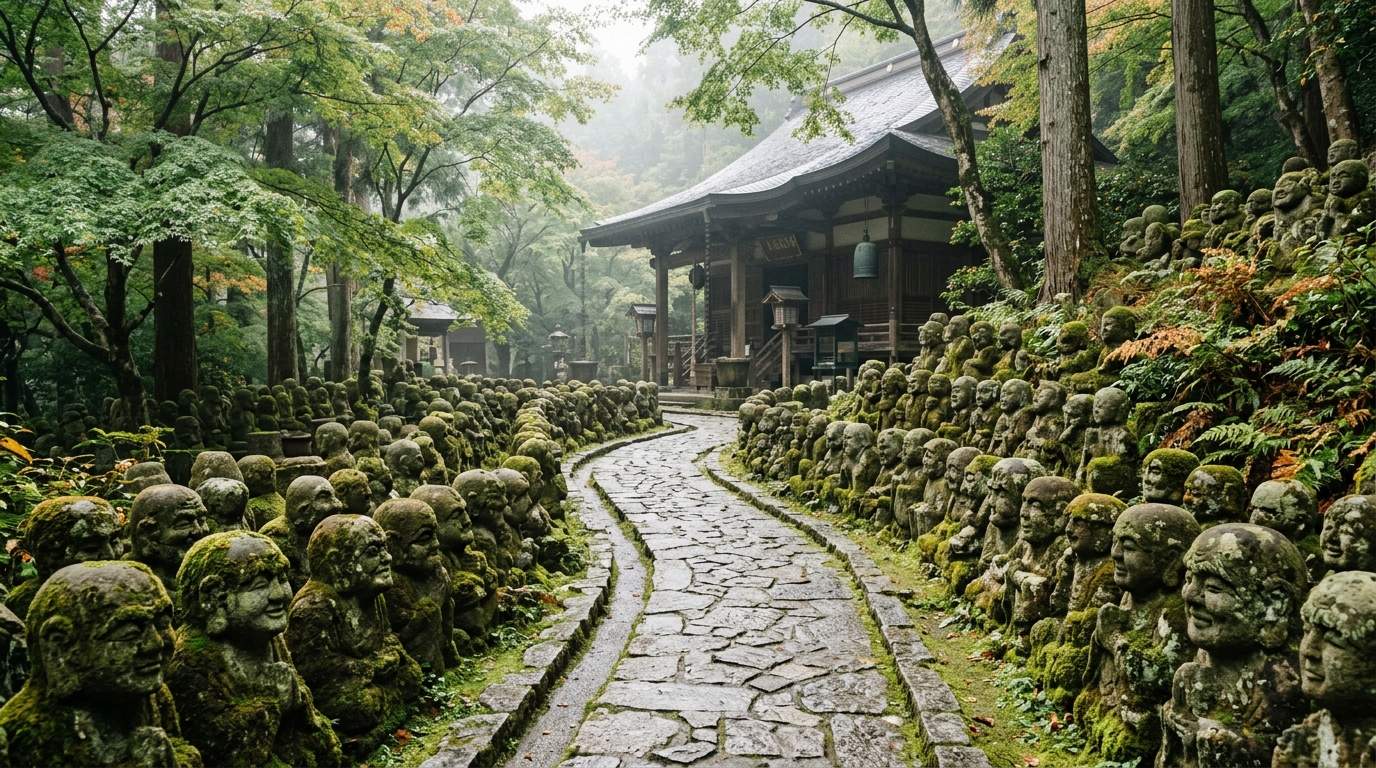
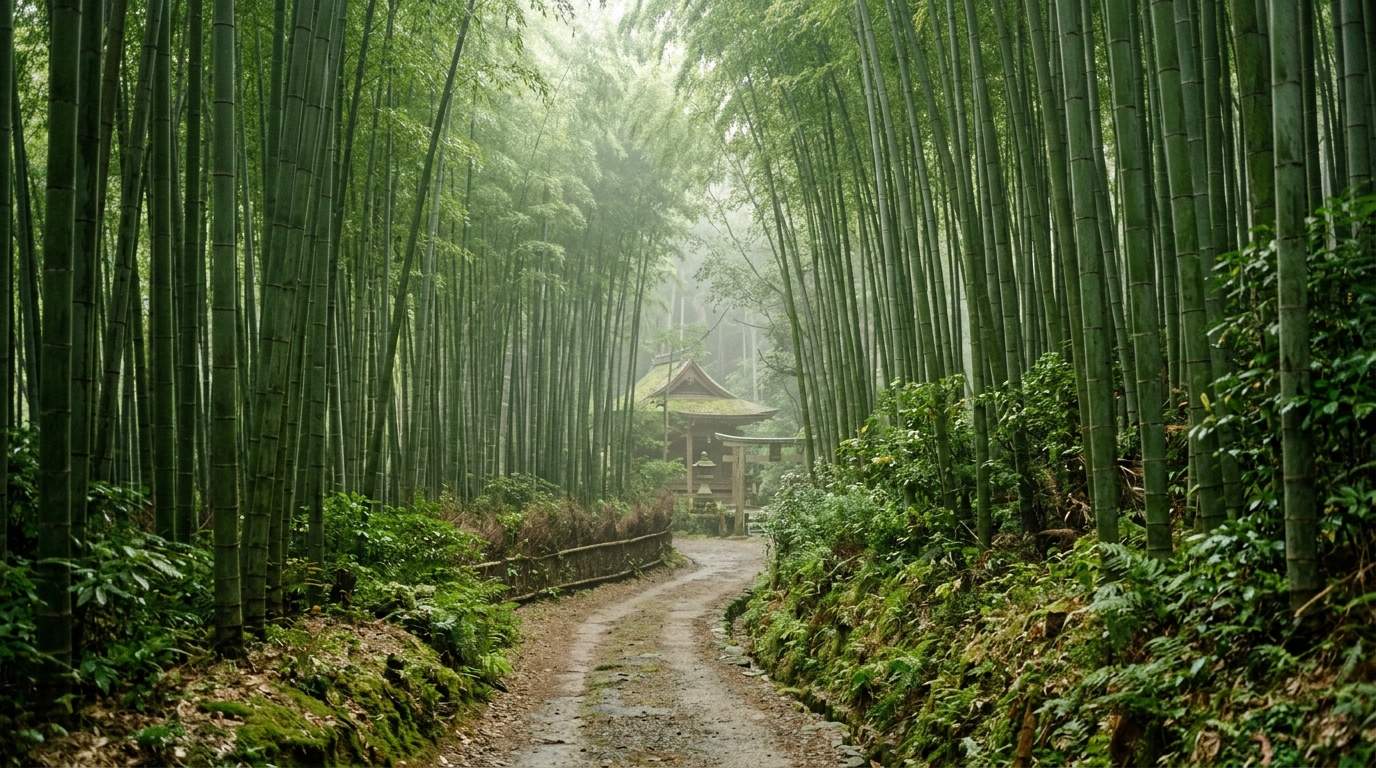
Yes, Arashiyama's bamboo grove is breathtaking. For exactly three seconds before you're swallowed by a sea of people. Instead of battling for space on the main path, head north from the central grove. You'll stumble upon smaller, less manicured bamboo paths, leading to tiny, forgotten shrines and local homes. The air here is cooler, the bamboo rustles with a deeper secret, and you might actually hear yourself think. We spent a delightful afternoon here, following a narrow path that led us to Otagi Nenbutsu-ji Temple, a collection of 1200 unique rakan statues, each with its own whimsical expression. It’s slightly out of the way, requiring a short local bus ride or a brisk walk, but the quirkiness and solitude are utterly worth it.
The Art of the Evening Stroll: Lights, Lanterns, and Local Life
Kyoto after dark often means jostling for space in Gion, hoping to spot a geisha (and usually just seeing other tourists doing the same). For a more authentic, less frantic evening, explore Pontocho Alley, but not for the overpriced tourist traps. Instead, find a small izakaya tucked away down a side street, distinguishable by the simple paper lantern outside and the happy chatter within. For about 3000 yen, Maya and I shared several plates of yakitori, gyoza, and a couple of local sake, chatting with the owner through broken English and enthusiastic gestures. The smell of charcoal-grilled chicken, the soft glow of lanterns, and the genuine laughter of locals created an atmosphere far more memorable than any staged geisha performance. Another evening, we simply wandered the quiet, lantern-lit streets around our guesthouse in Higashiyama, listening to the gentle hum of cicadas and admiring the traditional wooden houses. It was free, utterly peaceful, and undeniably Kyoto.
Budget Breakdown & Pitfall Pointers: Your Anti-Tourist Traps Kit
Let's talk brass tacks. Kyoto can drain your funds faster than a leaky bucket if you're not savvy.
- Accommodation: Ditch the fancy hotels in the main tourist zones. Opt for guesthouses or traditional ryokans a few subway stops out. We found a lovely guesthouse in Nishijin for 4000 yen/night, complete with a shared kitchen for breakfast savings.
- Transport: Walking is your best friend and the best way to discover hidden gems. When your feet give out, the local bus network is comprehensive. Get a one-day bus pass for 700 yen if you plan multiple rides; otherwise, individual fares (230 yen) are fine. Avoid taxis unless absolutely necessary.
- Food: Prioritize local eateries away from main attractions. Set lunches (teishoku) are a godsend for budget travelers, often available for 700-1200 yen. Convenience stores like 7-Eleven or FamilyMart are excellent for cheap, quality meals and snacks.
- Season Savvy: Traveling during shoulder seasons (late April-early May, late October-early November) gives you pleasant weather without the peak crowds and prices of cherry blossom or autumn leaf season. Even the rainy season (June-July) can be magical – think misty temples and lush, vibrant greenery, perfect for reflection, and far fewer people. Just pack that travel-sized umbrella and comfortable, waterproof walking shoes.
- Money Matters: While cards are accepted in many places, always carry cash, especially for smaller shops, street food, and temple offerings. You don't want to miss out on that amazing 500 yen snack because you're card-only.
This trip wasn't about checking off a list; it was about truly experiencing Kyoto, tasting its quiet moments, and connecting with its authentic pulse. You don't need to empty your savings or battle hordes to fall head over heels for this city; you just need to know where (and when) to turn left.
**