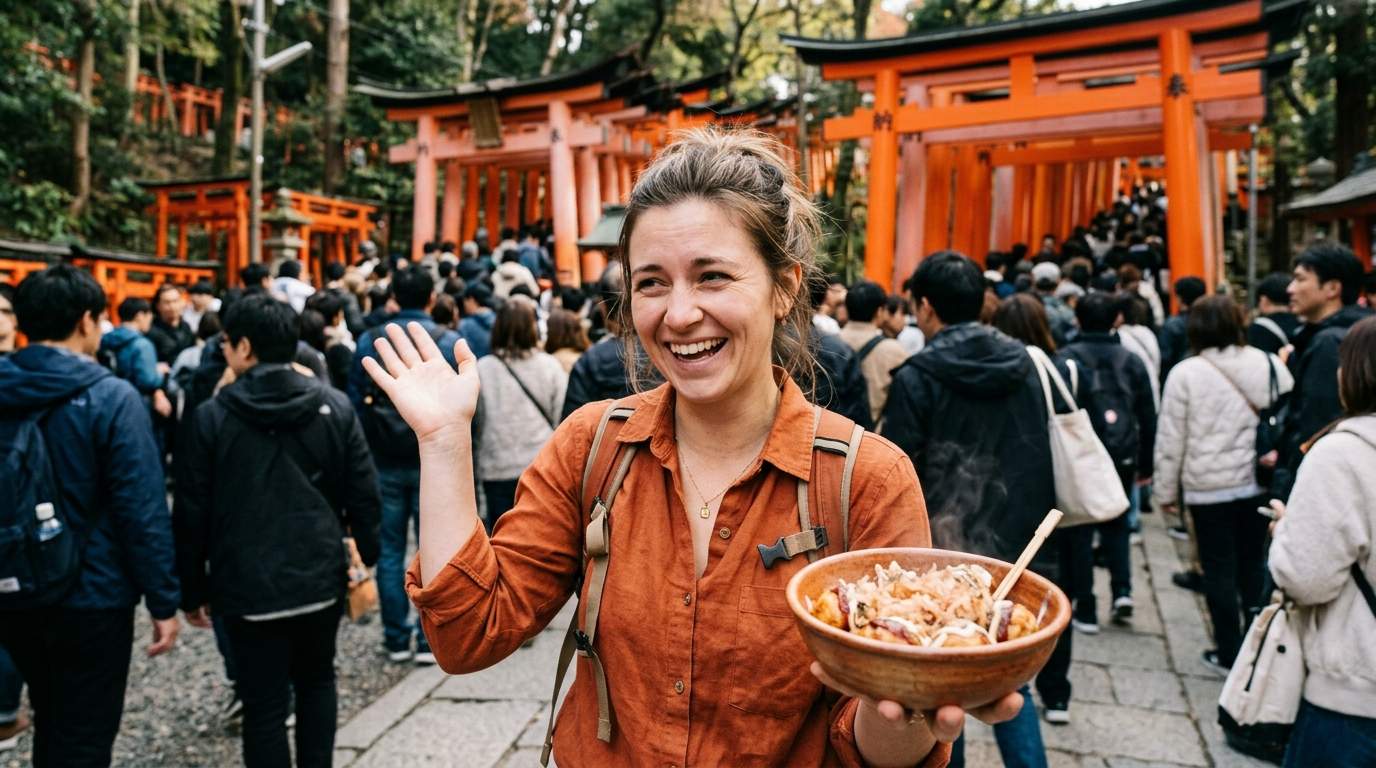
The oppressive mid-morning sun beat down, turning the path into a shimmering mirage of humanity. Ahead, a sea of selfie sticks formed an impenetrable thicket, all aimed at the iconic orange torii gates. My friend, Kenji, a native Kyoto-ite who'd reluctantly agreed to 'guide' our first foray into Fushimi Inari, just sighed. "So, this is what everyone comes for?" he muttered, a hint of weariness in his voice. "A queue that makes Tokyo's morning commute look like a leisurely stroll?" It wasn't the spiritual journey I'd imagined; it was a theme park ride, and we were all just passengers on the express to 'Did That, Got the T-shirt' Central. That's when I knew: our Kyoto trip would be different. We weren't here to tick boxes; we were here to find the city's actual pulse, ideally without having to elbow-check a dozen strangers.
Kyoto's Crowded Labyrinth: Dodging the Mainstream Meltdown
Let's be brutally honest: some of Kyoto's most famous spots are now just well-marketed bottlenecks. Fushimi Inari, while visually stunning in photos, becomes a frantic photo op factory by 9 AM. We tried, bless our naive souls, arriving at a respectable 7:30 AM. For about 30 minutes, it felt magical. Then, the tour buses arrived, disgorging their eager passengers, and the narrow path became a human conveyor belt. Paying ¥600 to jostle for a glimpse of Kinkaku-ji (the Golden Pavilion) through a fence, amidst a thousand other lens-wielding enthusiasts, felt less like cultural immersion and more like an organized cattle drive. "You could buy three bowls of excellent ramen for that," I joked to Kenji, who just nodded grimly. My point? If your idea of a good time isn't battling for elbow room, it's time to pivot. Our reverse travel philosophy in Kyoto began right there, amidst the tourist scrum.
Nishijin Serenity: Weaving Through Kyoto's Undiscovered Past
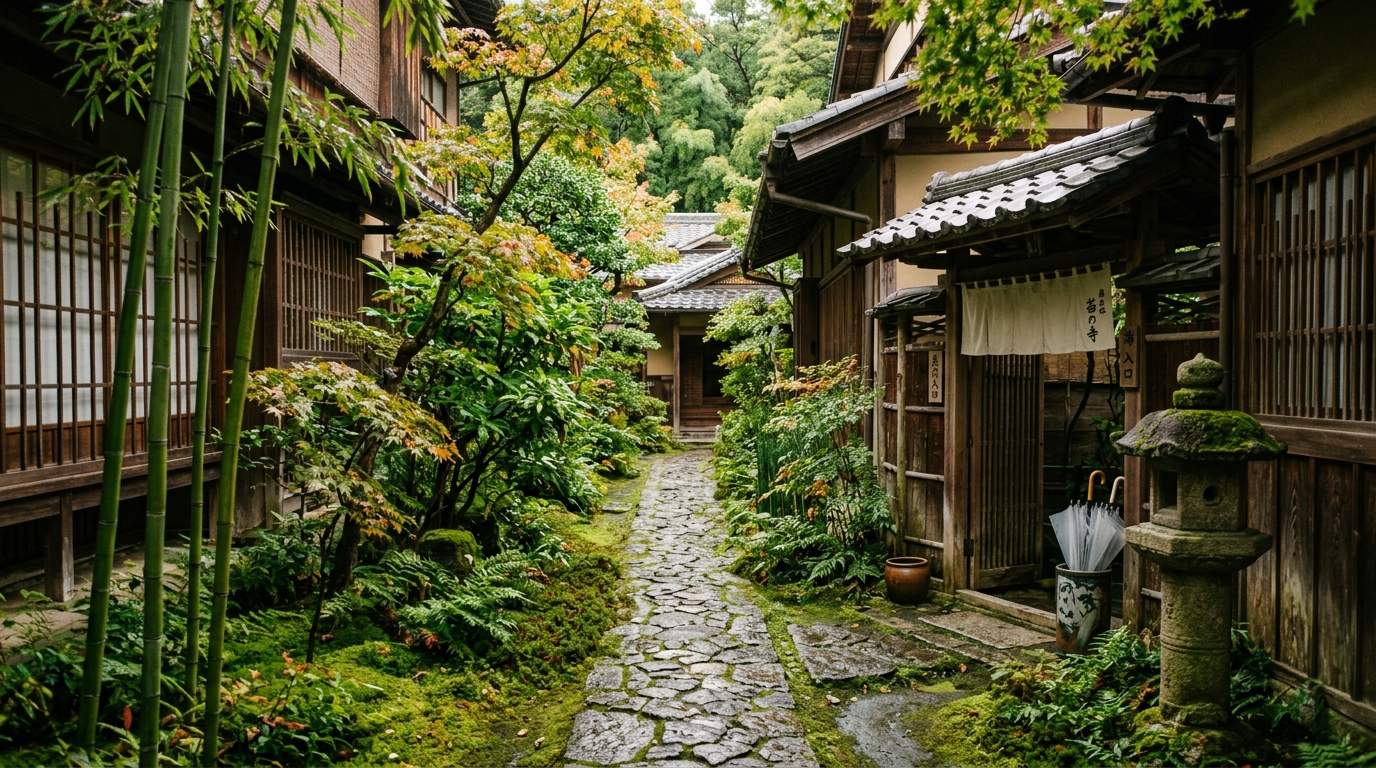
"Want to see where the real Kyoto lives?" Kenji asked, pulling us onto a local bus heading northwest, away from the Gion bustle. The Nishijin district, once the heart of Kyoto's textile industry, welcomed us with quiet streets and traditional wooden machiya houses. No souvenir shops hawking ¥1500 'authentic' matcha, just the gentle hum of neighborhood life. We stumbled upon a small, unassuming textile workshop where an elderly woman was meticulously weaving intricate patterns. She barely spoke English, but her smile, as she demonstrated her loom, was universal. We spent a good hour there, just observing, feeling the rhythm of a craft centuries old. The only 'cost' was a polite nod and a genuine curiosity. This was the Kyoto I craved, untouched by the guidebooks' relentless spotlight.
The ¥700 Noodle Revelation: Eating Like a Local in Nishijin
The scent of dashi eventually led us down a narrow alleyway, barely wide enough for one person, to a tiny ramen shop. "This is Nishijin Ramen," Kenji announced proudly, "Locals queue, not tourists." The menu was simple, handwritten, and entirely in Japanese. With Kenji's translation, we ordered two bowls of tonkotsu ramen. The broth was rich, the noodles perfectly chewy, and the pork belly melted in the mouth. Total cost per bowl? A blissful ¥700. Compare that to the ¥1800 bowls we'd seen advertised at some "famous" spots near Gion, clearly targeting travelers with deep pockets and little local knowledge. This wasn't just a meal; it was an education in value and authenticity. We chatted with the chef, a gruff but friendly man, about his family's generations-old recipe. This kind of interaction, unscripted and genuine, rarely happens when you're fighting for a table at a chain restaurant.
Philosophical Peace: Finding Your Zen (for Free)
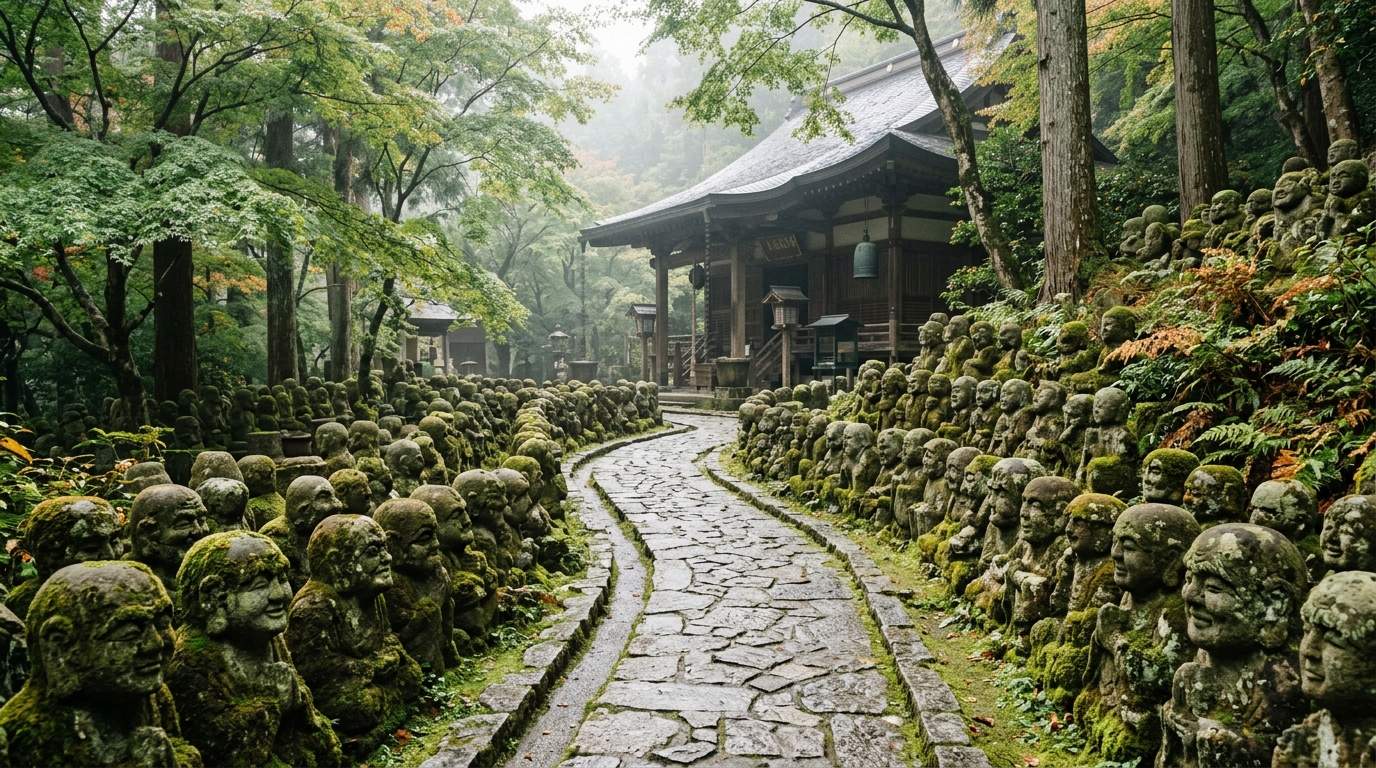
Our mornings often began with a quiet pilgrimage to Honen-in Temple, tucked away discreetly near the northern end of the Philosopher's Path. While the path itself can attract crowds, Honen-in remains a sanctuary. Its moss-covered grounds, tranquil pond, and two sand gardens are free to enter, offering a genuine sense of peace. One humid September morning, a light rain began to fall, turning the moss an even more vibrant emerald green. We sat on a bench, listening to the gentle drip-drip, watching tiny frogs hop across the stones. No entry fee, no tour groups, just the quiet contemplation that Kyoto is supposed to be famous for. This was the kind of priceless serenity that ¥500 wouldn't even buy you a vending machine coffee at a crowded shrine.
Kamo River Sunset Strolls: Kyoto's Best Free Entertainment
As the day waned, our favorite pastime was simply strolling along the Kamo River. From Shijo-Ohashi bridge, we'd head north or south, watching locals cycle, students practice instruments, and couples share quiet moments. The riverbanks, especially away from the main bridges, are surprisingly peaceful, offering stunning views of the city as the sun dips below the western hills. One evening, we bought some onigiri and a couple of cold beers from a convenience store (total: less than ¥500) and found a spot on the bank. We watched heron fish, listened to the distant city hum, and discussed our finds for the day. It was simple, free, and utterly authentic – a far cry from overpriced dinner cruises or crowded tourist traps designed to extract maximum yen.
The Art of the Yen: Savvy Spending in Japan's Ancient Capital
Here's the kicker for anyone chasing ultimate cost performance in Kyoto: your yen stretches further when you ditch the pre-packaged experiences. A city bus day pass for ¥700 offers unlimited travel, a far smarter choice than paying ¥230 for a single subway ride or exorbitant taxi fares, especially if you're exploring niche neighborhoods. Accommodation-wise, we opted for a small, family-run guesthouse in a less central area, paying roughly ¥4000 per person per night, including a delightful home-cooked breakfast. That’s a fraction of the price of central hotels. Always look for local eateries tucked away from main thoroughfares; a simple handwritten sign often means fantastic, affordable food. Remember, many of Kyoto's most profound experiences – a quiet temple garden, a sunset over the river, a friendly chat with a local shopkeeper – are entirely free or cost next to nothing.
Beyond the Guidebook: Unscripted Kyoto Encounters
The real magic of Kyoto doesn't lie in checking off a list of 'must-sees' but in the unscripted moments and genuine interactions. One rainy afternoon, seeking shelter in a small independent bookstore, I struck up a conversation with the owner about his favorite local sake. He not only recommended a fantastic, inexpensive brand but also drew me a map to a tiny izakaya that served it. That evening, sharing a laugh with locals over plates of yakitori and cheap, delicious sake, felt infinitely more valuable than any guided tour. Travel with an open mind, a curious spirit, and a willingness to step off the beaten path, and Kyoto will reward you with experiences that money simply cannot buy – only slightly cheaper, of course.
Kyoto isn't just temples and shrines; it's a living city, and with a little savvy and a lot of curiosity, you can navigate its ancient charm, avoid the tourist traps, and truly connect with its authentic, cost-effective soul.