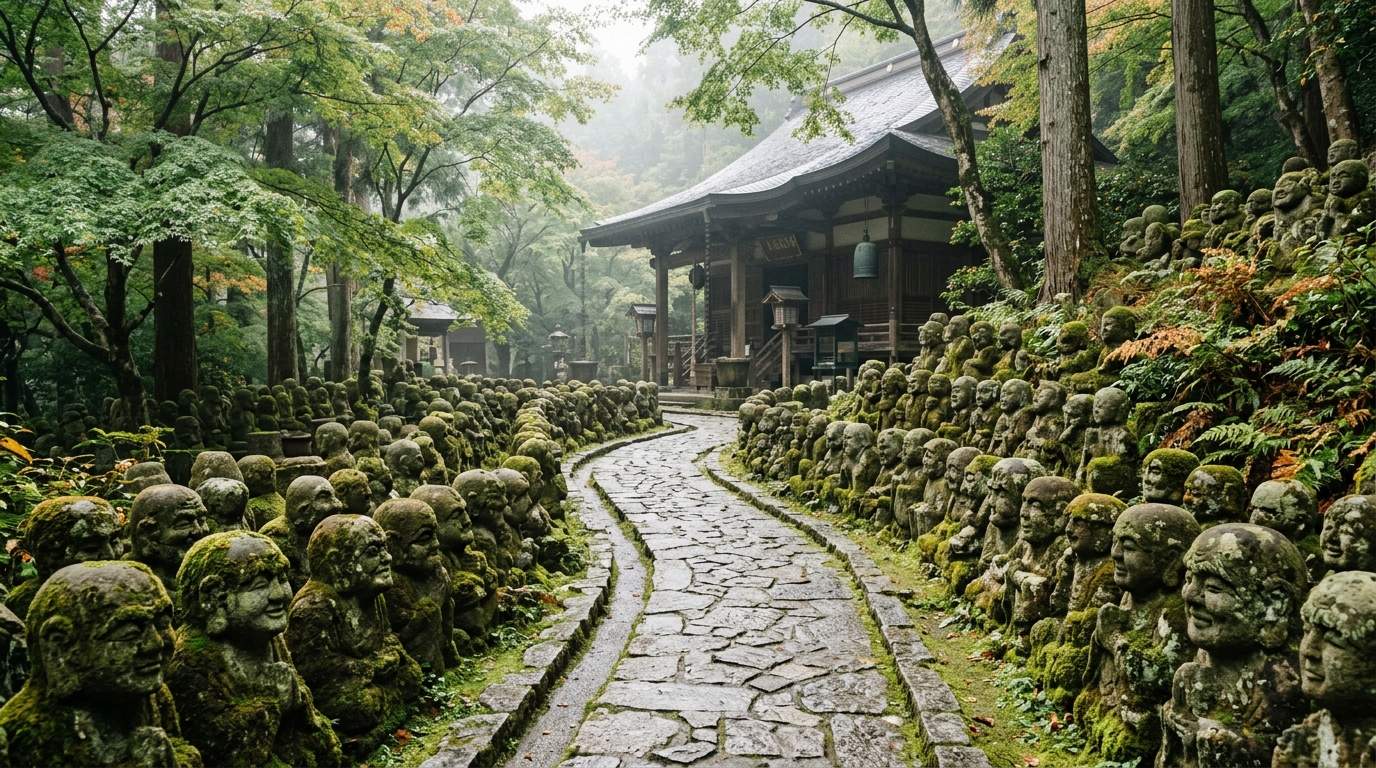
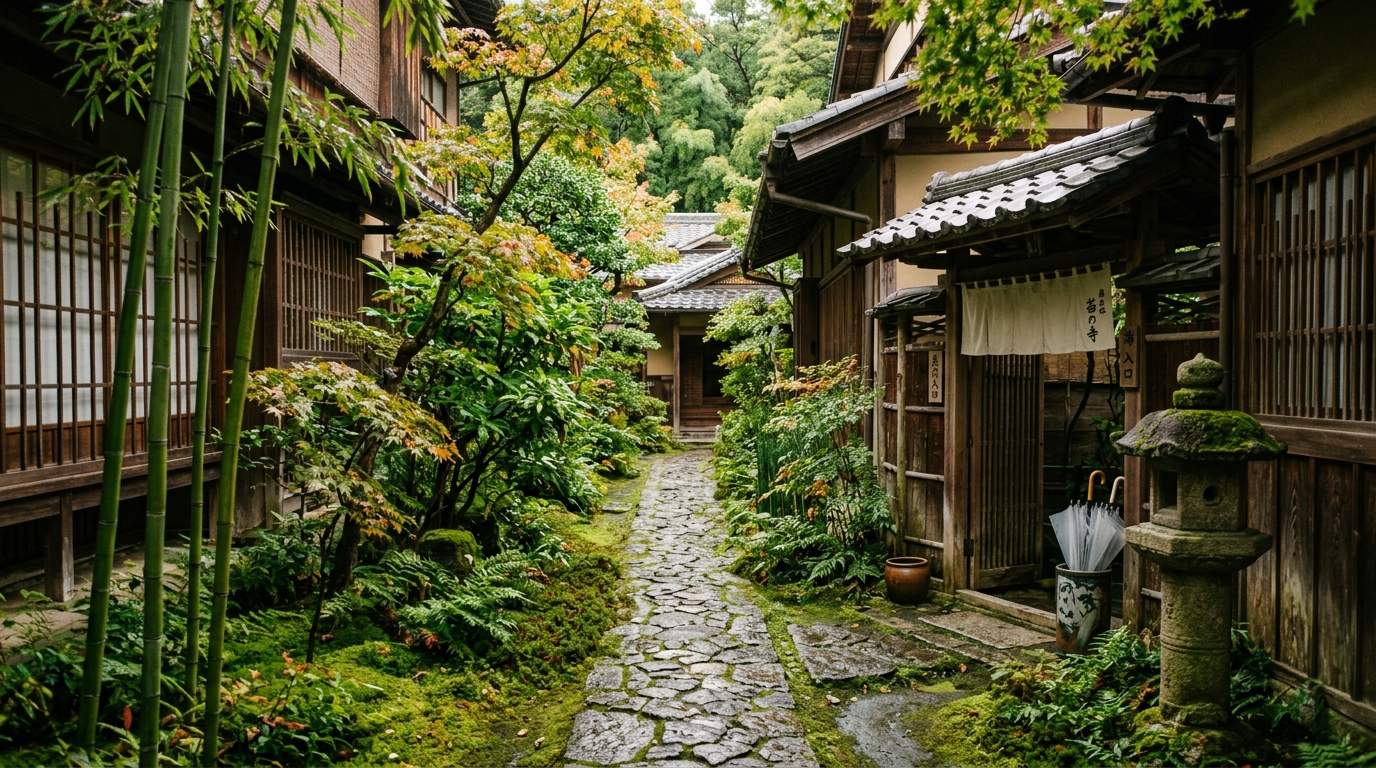
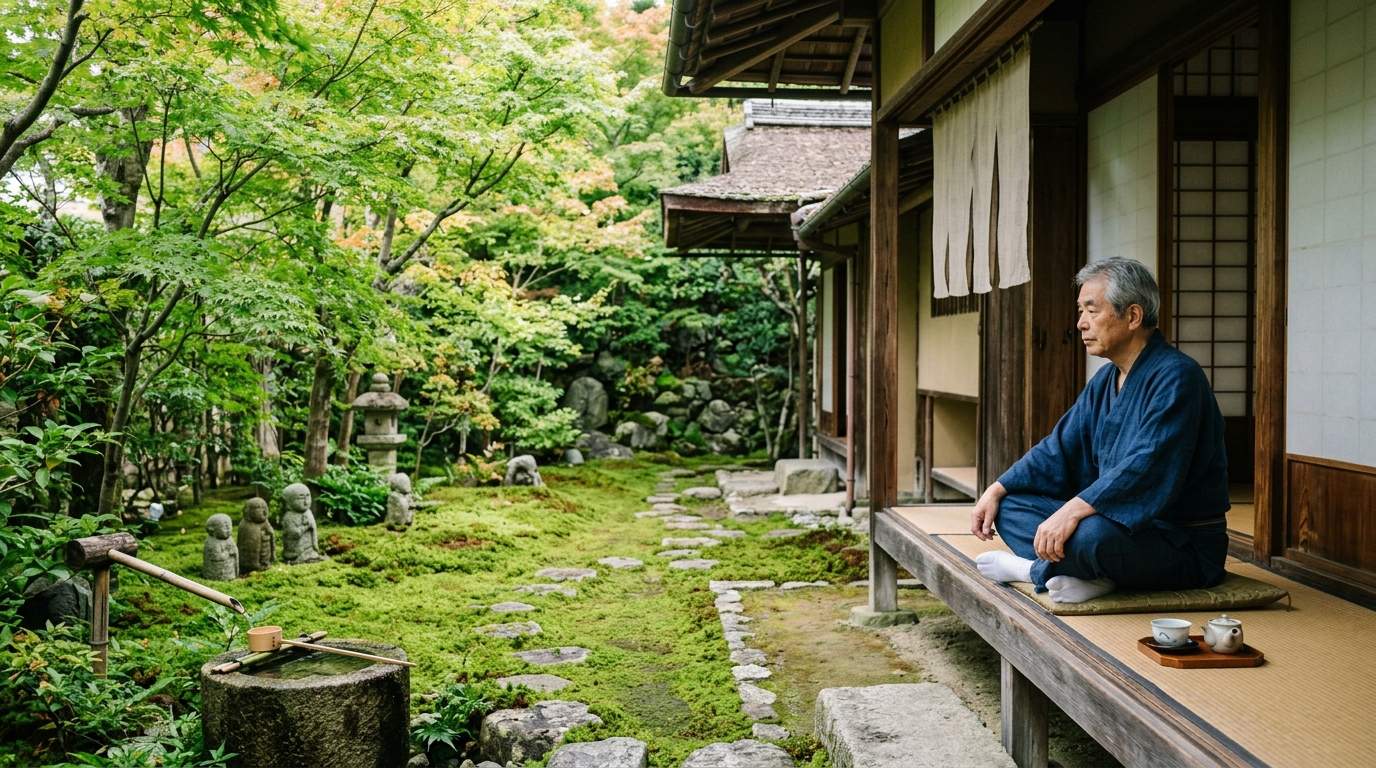
The air, cool and damp, carried the faint scent of moss and damp earth, a stark contrast to the saccharine perfume I'd just encountered at the base of Fushimi Inari. Here, nestled amongst towering maples, a small, vibrant green garden glowed, an almost absurd emerald carpet cushioning tiny stone Buddha statues. I sat on the veranda of a rustic teahouse, sipping a bitter matcha as the only non-local, watching a solitary elderly woman meticulously tend to her miniature moss garden. No selfie sticks, no jostling crowds, just the gentle whisper of wind through bamboo. This, I realized, was the Kyoto they don't show you on Instagram – the one that truly captivates, and surprisingly, barely touches your wallet.
Ditching the Golden Pavilion Hype: Real Kyoto, Real Serenity
Everyone, and I mean everyone, flocks to Kinkaku-ji, the Golden Pavilion. It's beautiful, yes, gleaming unapologetically under the Kyoto sun, but is it worth the elbow-to-elbow combat for a distant, highly filtered photo? My friend, Sarah, a staunch believer in the 'must-see' list, dragged me there once. We paid 400 yen each just to be herded past security, allowed a glimpse, and then pushed along. The experience felt less like visiting a sacred site and more like a human conveyor belt, designed for maximum throughput. "Did we even see it?" she grumbled, as we emerged onto the gift shop gauntlet, having spent maybe ten minutes in actual viewing time.
The Moss Garden Whispers: Gio-ji's Quiet Charm
Instead, let me introduce you to Gio-ji, a hidden gem costing a mere 300 yen, a stone's throw from the over-hyped Arashiyama bamboo forest (more on that later). It’s a tiny, tranquil nunnery, known for its utterly breathtaking moss garden that seems to absorb all sound. Imagine soft light filtering through a dense canopy, illuminating shades of green you didn't know existed. There are no tour buses, no jostling for space. I spent an hour there once, just me and a handful of local elders, feeling the quiet pulse of history and nature. It’s an experience that offers genuine contemplation, not just a photo op. The value for money? Incomparable.
Navigating Kyoto's Culinary Minefield: Local Bites vs. Tourist Traps
Kyoto's Nishiki Market is famous, and for good reason. It's a kaleidoscope of flavors, sights, and smells. It's also, let's be blunt, an absolute tourist magnet where prices inflate faster than a hot air balloon. I watched a guy pay 1500 yen ($10 USD) for a few skewers of grilled seafood that looked suspiciously lonely. When I challenged a vendor once about the price of a small bag of matcha sweets, she simply shrugged, "Tourists pay." No argument there.
Unlocking Authentic Flavors: Beyond Nishiki's Price Tags
Want to eat like a local, for local prices? Head to any shotengai (local shopping street) away from the main tourist drag. We stumbled upon one near our Airbnb in the Nishijin district, an area famous for textiles. Here, a bowl of piping hot ramen at a family-run shop cost me 800 yen (about $5.50 USD). I overheard the shop owner, a gruff but kind old man, jokingly tell a regular, "That tourist market stuff? Pure robbery!" He even offered me an extra slice of chashu when I complimented his broth. You'll find incredible onigiri for 100-200 yen, fresh tempura for a few hundred, and local izakayas where a pint of beer and a plate of grilled chicken skewers will set you back less than 1500 yen total. The conversation, the genuine atmosphere, the taste—it's all leagues beyond the tourist-trap alternatives.
The Arashiyama Bamboo Grove Illusion: Finding Your Zen, Crowd-Free
The Arashiyama Bamboo Grove is postcard-perfect... in theory. In reality, it's a human river flowing sluggishly between towering stalks of bamboo. During peak season, you're less likely to find inner peace and more likely to find yourself wondering if you accidentally joined a queue for a ride at Disneyland. "Can we even move?" my friend, a self-proclaimed 'zen seeker,' lamented, as we found ourselves wedged between a family posing for an elaborate photoshoot and a tour group listening to an aggressively loud guide. That initial awe quickly evaporated, replaced by a mild panic attack.
The Verdant Trails Less Traveled: Arashiyama's Quiet Cousins
Want the bamboo, minus the madness? Try the back paths leading up to Otagi Nenbutsu-ji Temple, just a short walk past the main Arashiyama area. It’s a bit of a hike, but you’ll find smaller, equally enchanting bamboo groves where the only sound is the rustle of leaves. The temple itself is an experience: over 1,200 rakan statues, each with a unique, often comical, expression, carved by local amateurs. It’s wonderfully quirky, entirely unpretentious, and often deserted. The entrance fee is 400 yen, and the sense of discovery and genuine quietude is priceless. Alternatively, arrive at the main Arashiyama grove at 6 AM. Yes, it requires an alarm, but the empty pathways bathed in soft morning light are an entirely different beast.
The Fushimi Inari Taisha Ascent: A Lesson in Perspective and Persistence
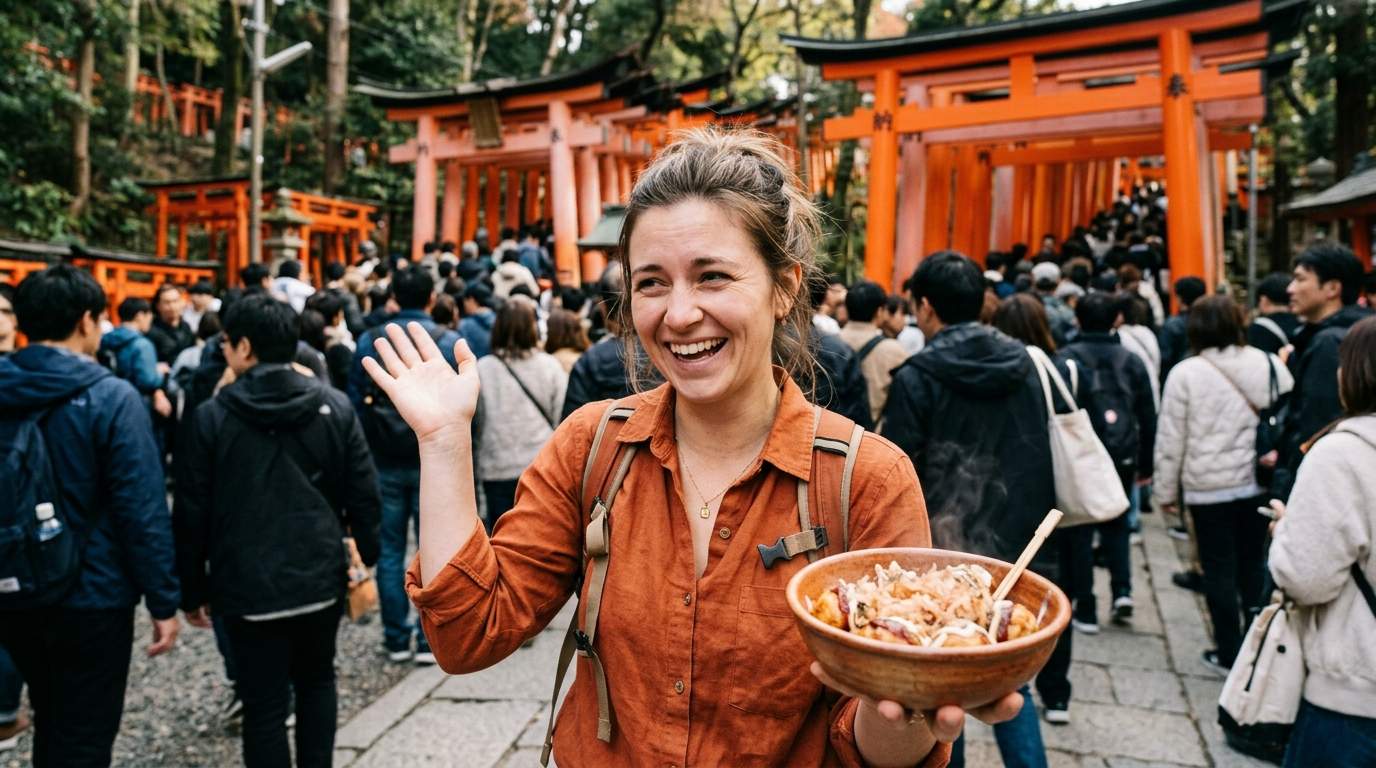
Fushimi Inari Taisha, with its thousands of vermillion torii gates, is iconic. And yes, it’s mostly free. But everyone stops at the lower shrines, snaps their photos, and turns back, convinced they've "done" Fushimi Inari. What they miss is the real journey. The first few hundred gates are packed, a continuous stream of bodies. My first time, I almost turned back, thinking, "This is it? A tourist tunnel?" But my travel buddy, Alex, a marathon runner with an insatiable curiosity, convinced me to keep climbing.
Past the main viewing points, the crowds thin out dramatically. The gates become older, the atmosphere more spiritual. You start seeing smaller, quieter shrines tucked into the hillside, managed by local families. An old woman, bent with age, offered me a small cup of tea from her makeshift stall for a few hundred yen, sharing a knowing smile as I gasped for air. It’s a genuine pilgrimage, not just a photo op, and the views from the summit, overlooking Kyoto, are truly breathtaking. This "reverse travel" approach transforms a crowded attraction into a profound, personal experience, costing you nothing but your stamina.
Smart Kyoto Stays & Transportation: Maximize Yen, Minimize Stress
Staying in central Kyoto, near Kyoto Station or Gion, means premium prices for often cramped hotel rooms. During a trip with my sister, we opted for a machiya (traditional townhouse) guesthouse further out in the Shimogyo district. It cost us about 9,000 yen ($60 USD) a night for a beautifully renovated two-bedroom house – a steal compared to the 15,000 yen+ hotels in Gion. Waking up to the quiet clatter of a local bakery opening and the smell of fresh bread? Pure bliss.
When it comes to getting around, forget taxis unless it's a true emergency. A one-day Kyoto City Bus Pass is 700 yen, offering unlimited rides. But for true immersion, walk. Many of Kyoto's most charming neighborhoods and hidden temples are within walkable distances of each other, especially if you plan your day logically. And walking allows for unexpected discoveries – like that tiny antique shop or the aroma of fresh grilled mochi from a street vendor. We calculated that by walking and using the bus pass strategically, we spent less than 1000 yen ($7 USD) a day on transportation, giving our wallets a much-needed break from the typical tourist fare.
Kyoto, when stripped of its mainstream glamor and approached with a discerning eye, truly opens up. Ditch the crowds, chase the quiet, and you'll discover an authentic, budget-friendly journey that leaves you richer in experience, not poorer in cash.