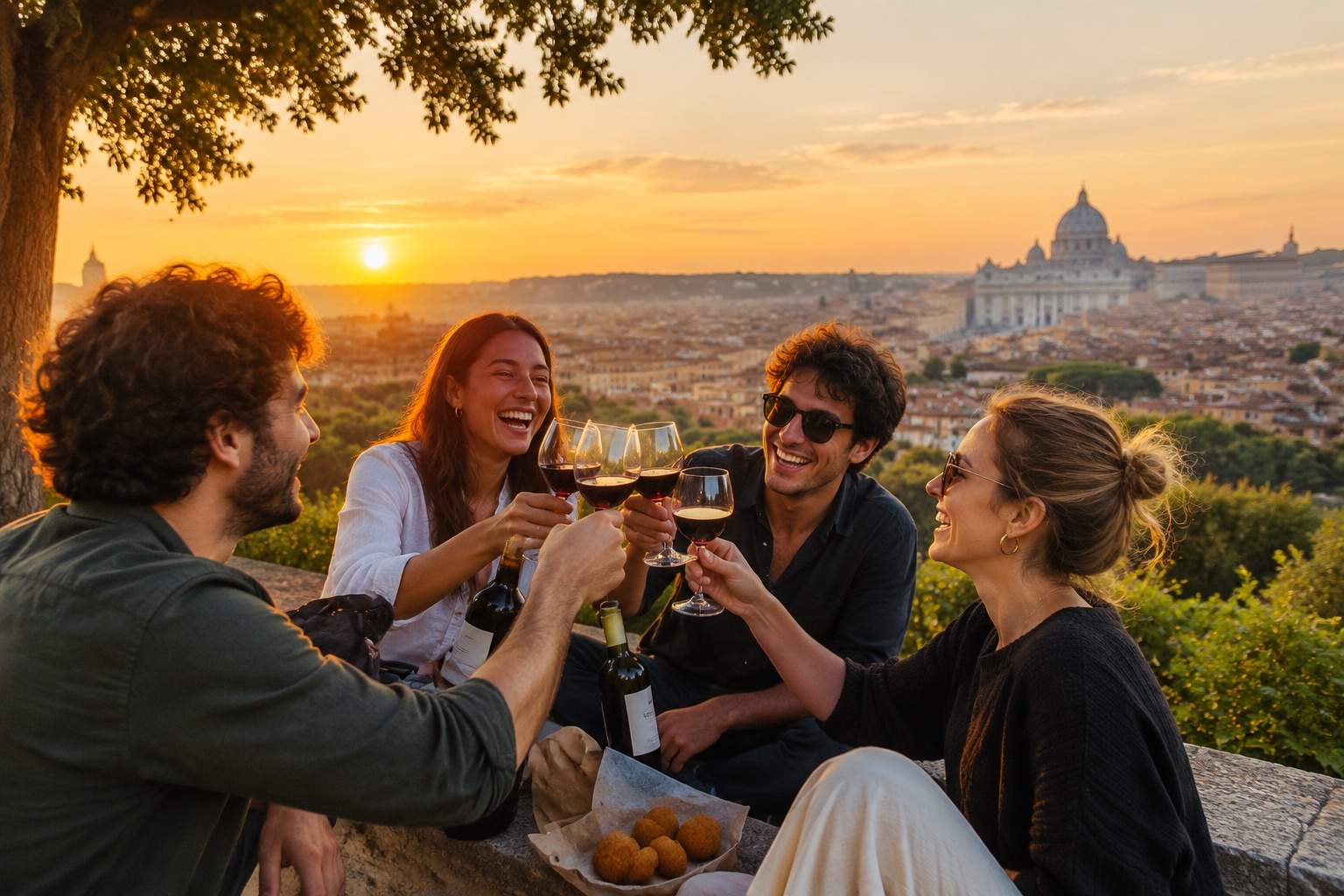
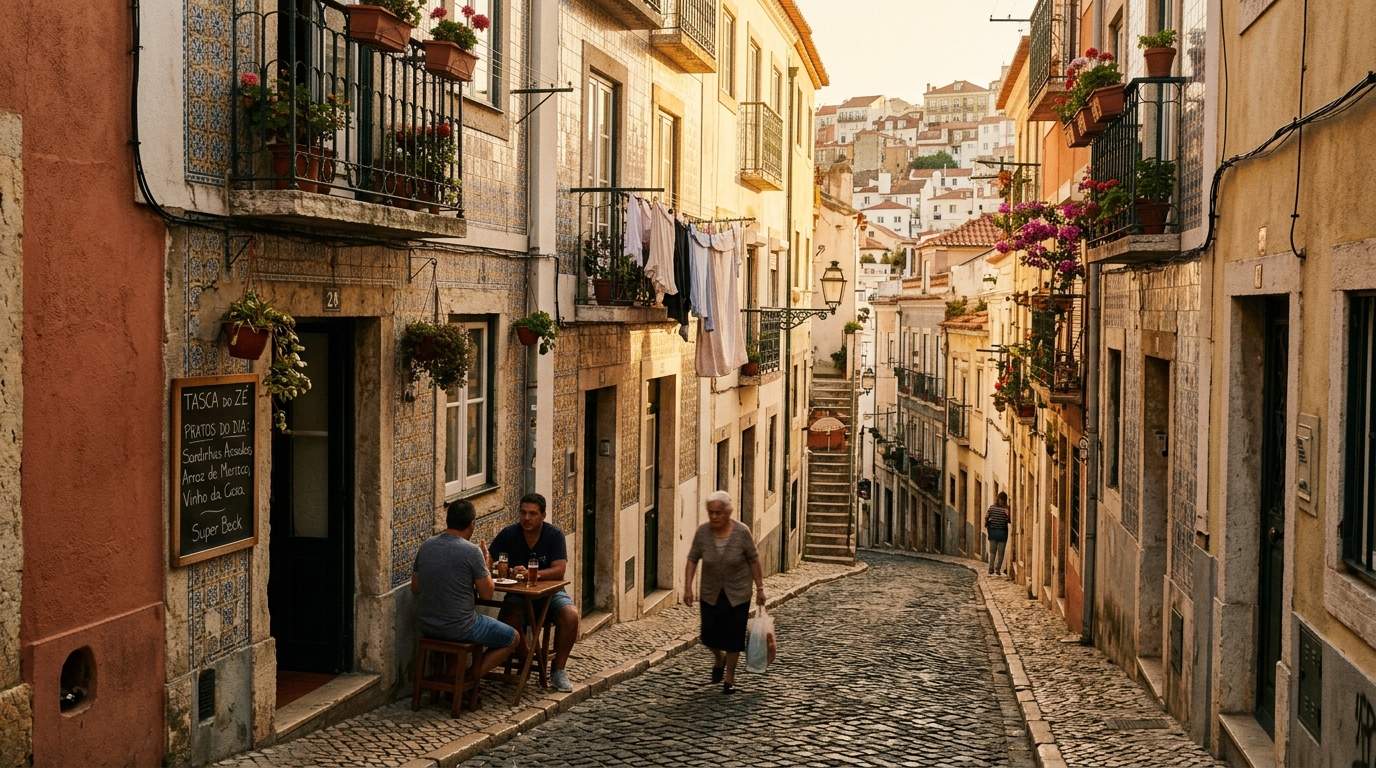
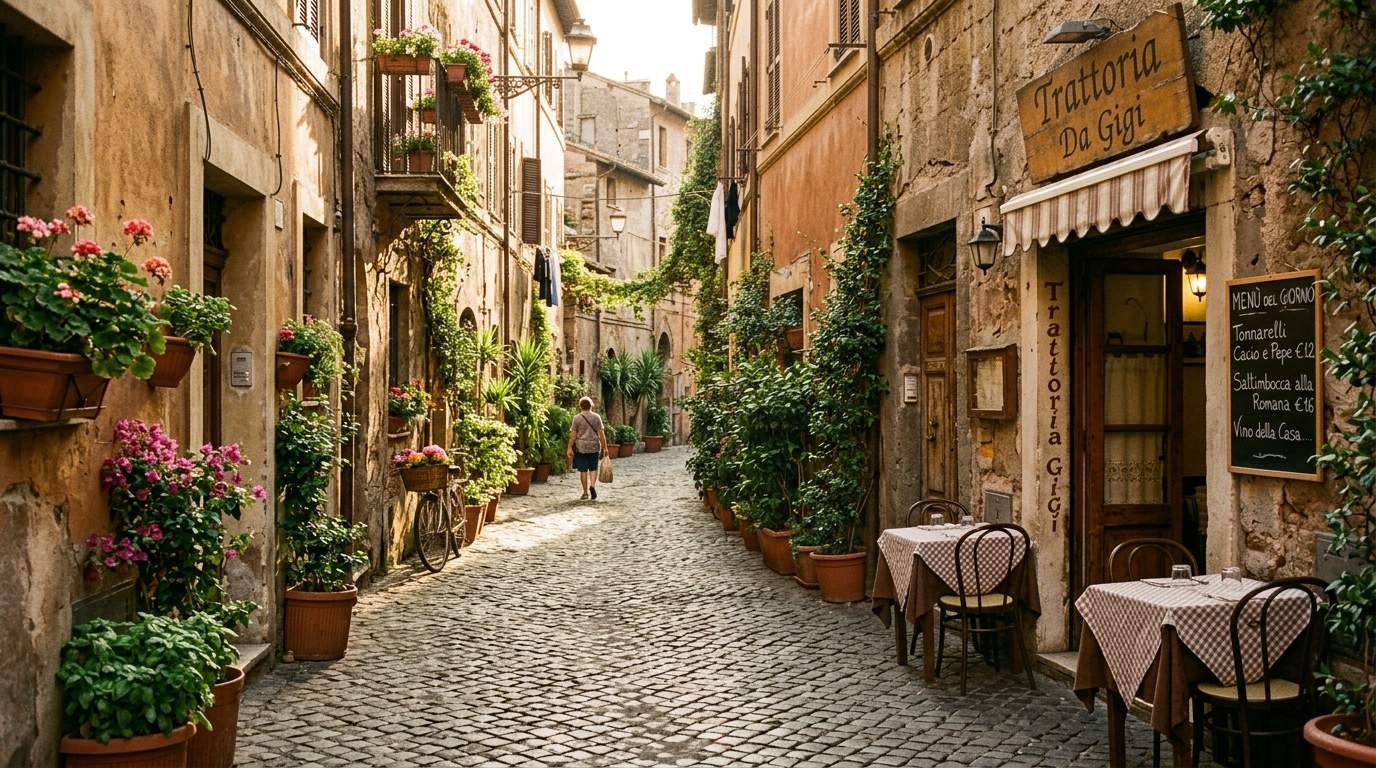
The late afternoon sun was slanting through a narrow archway in Trastevere, painting ancient cobblestones in hues of gold. My friend, Liam, was mid-sentence about the outrageous price of a "traditional" carbonara he'd seen near the Pantheon yesterday, when a waft of baking focaccia hit us. He stopped, inhaled deeply, and his rant dissolved into a contented sigh. This was Rome, but not the one plastered on postcards or overrun by selfie sticks. This was our Rome, a city we'd vowed to peel back layer by overpriced, over-touristed layer to find its true, delicious, and surprisingly affordable heart.
Rome: More Than Just Colosseums and Crowds
Let's be brutally honest: Rome is magnificent. It's also, at times, a giant, beautiful tourist trap. Standing in a queue for the Colosseum that snakes for what feels like an entire epoch, or elbowing your way through St. Peter's Square, you start wondering if that once-in-a-lifetime experience is worth the crushing claustrophobia. And the prices? Forget about it if you're eating within three blocks of any major attraction. That's why my partner, Alex, and I, along with our two friends, Liam and Sarah, adopted a "reverse travel" philosophy. We didn't shun the icons entirely – you have to see the Pantheon – but we immediately sought refuge and authentic experiences away from the throngs. Our goal? To experience Rome like locals, pay like locals, and avoid every single overpriced, underwhelming pitfall designed to siphon euros from unsuspecting travelers.
Unearthing Rome's True Flavors and Fierce Savings
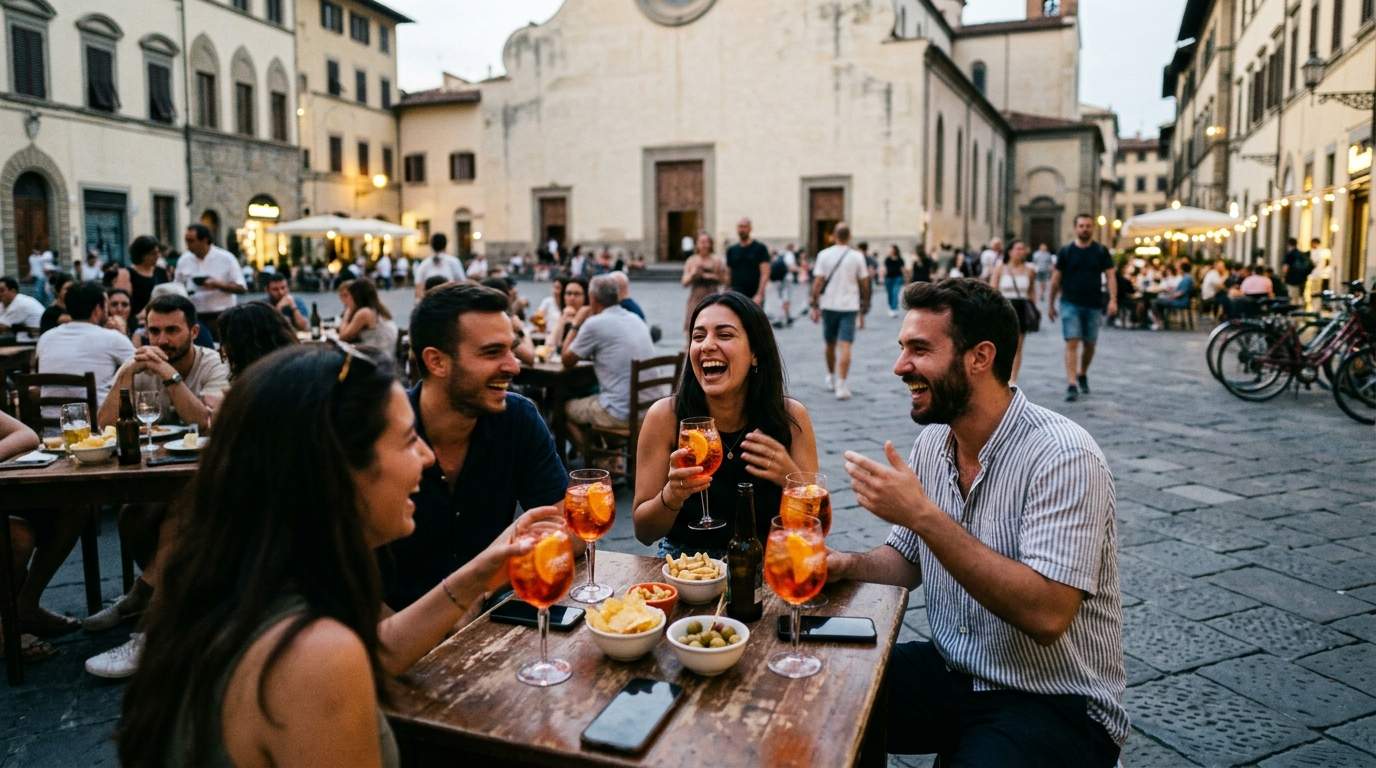
The food scene in Rome is where the biggest tourist scam-to-savory reward ratio lies. That €18 plate of supposedly authentic pasta near Piazza Navona? A crime against humanity, probably cooked by someone who thinks 'al dente' is an Italian dentist. We quickly learned to venture into the quieter side streets, past the glossy menus with English translations, to places where the handwritten daily specials board was king. Liam, our resident budget hawk, nearly had an existential crisis when he found a tiny trattoria serving the most sublime Cacio e Pepe for just €9, a far cry from the €16-€20 prices we saw elsewhere. Always check for a 'coperto' (cover charge) or 'servizio' (service charge) on the menu – sometimes they're reasonable, sometimes they're an extra slap in the face. A good rule of thumb: if someone is aggressively trying to pull you into their restaurant, run. And remember, ordering a cappuccino after lunch marks you as an instant tourist. Espresso is the way, and it should cost you around €1.
Testaccio Market: Where Locals Feast (and You Should Too!)
Our ultimate food pilgrimage took us to Testaccio Market, a vibrant, bustling haven often overlooked by mainstream guides. Forget the charming but touristy markets; this is where Romans actually shop and eat. It’s an explosion of colors, sounds, and smells, from fresh produce to artisan cheeses and, crucially, incredible food stalls. My friend, Sarah, who usually gravitates towards quieter cafes, was completely swept up in the energy, haggling for local olives. Liam, meanwhile, found his holy grail: a traditional Roman tripe sandwich (trapizzino) for a mere €4.50 that he still raves about. We feasted on supplì (fried rice balls) for €1.50 each, fresh pasta dishes for under €10, and watched locals chat animatedly over espresso. It wasn't just a meal; it was an authentic, visceral cultural experience that cost us a fraction of what a similar-quality meal would in the city center.
Beyond the Guidebook: Rome's Quiet Wonders
Once our bellies were full of properly priced deliciousness, we set out to explore Rome's less-trodden paths. While the Vatican Museums are undoubtedly magnificent, the sheer volume of people can make it feel more like a cattle call than a cultural immersion.
Centrale Montemartini: Ancient Gods in a Power Plant
Instead, we discovered Centrale Montemartini, a former thermoelectric power plant beautifully repurposed to house a stunning collection of ancient Roman sculptures. Imagine perfectly preserved mosaics and colossal marble statues gleaming amidst the industrial machinery of the early 20th century. It’s a jaw-dropping juxtaposition that offers a unique perspective on Rome’s history, and critically, it's almost always blissfully uncrowded. Sarah, an art enthusiast, spent hours admiring pieces that would be lost in the chaos of a larger museum. Entry was around €7.50, a significant saving compared to the Vatican's €20+, and the tranquility made for a far more contemplative and enriching experience. It felt like we had a secret corner of Rome all to ourselves.
Via Appia Antica Regional Park: Cycle Through History
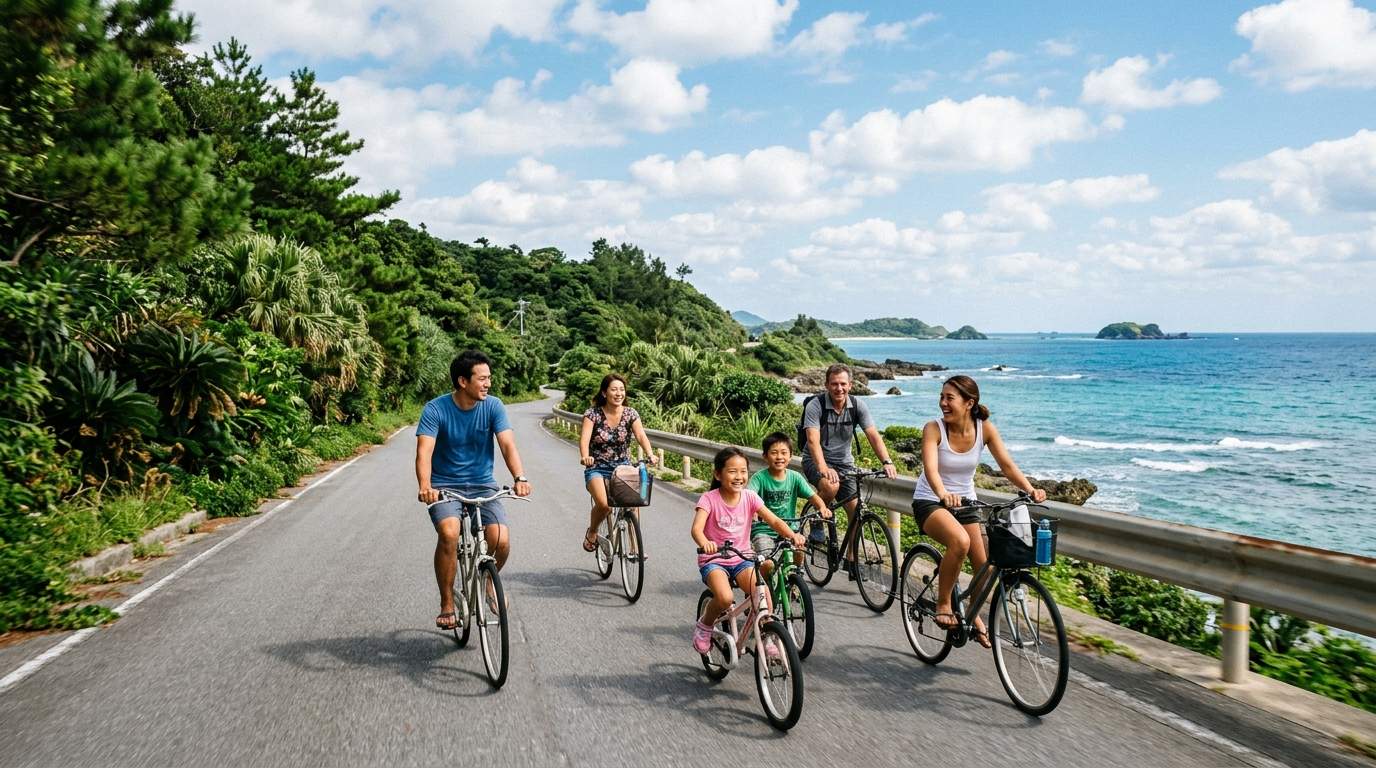
Another revelation was the Via Appia Antica Regional Park. Instead of queuing for an hour at some crowded ruin, Alex and I decided to rent bikes (around €10-€15 for a few hours) and cycle along the ancient Appian Way. It was late October, and the air was crisp, the leaves turning golden. We pedaled past crumbling tombs, ancient Roman villas, and vast open fields, feeling the echoes of emperors and legions beneath our wheels. It's a surreal, almost meditative experience, completely free once you have your bike, and offers an expansive, authentic encounter with Rome's past that no guided bus tour can replicate. The quiet paths and historical significance felt incredibly profound and offered a perfect escape from the city's hustle.
Navigating Rome: When to Go, How to Save
For our "reverse travel" escapade, late autumn (October/November) was perfect. The intense summer heat and peak tourist crowds had subsided, making walking and cycling far more enjoyable. The light for photography was incredible, and the mild weather meant we weren't sweating through our clothes or freezing on shaded streets. If you absolutely must visit the main attractions, go incredibly early (like, before 8 AM) or very late in the day. Use Rome's excellent public transport – buses and trams are cheap and efficient. A single ticket (BIT) is €1.50, valid for 100 minutes, allowing transfers. A 24-hour pass is €7. It's a no-brainer compared to taxis. And for souvenirs, skip the mass-produced trinkets near popular sites. Seek out artisanal shops in local neighborhoods like Monti or explore flea markets like Porta Portese (Sundays) for truly unique, cost-effective finds.
Rome, stripped of its tourist-trap veneer, is a city of unparalleled beauty, incredible food, and endless discovery. Ditch the crowds, embrace the backstreets, and you'll find an Italy that truly tastes like Italy, without emptying your wallet.