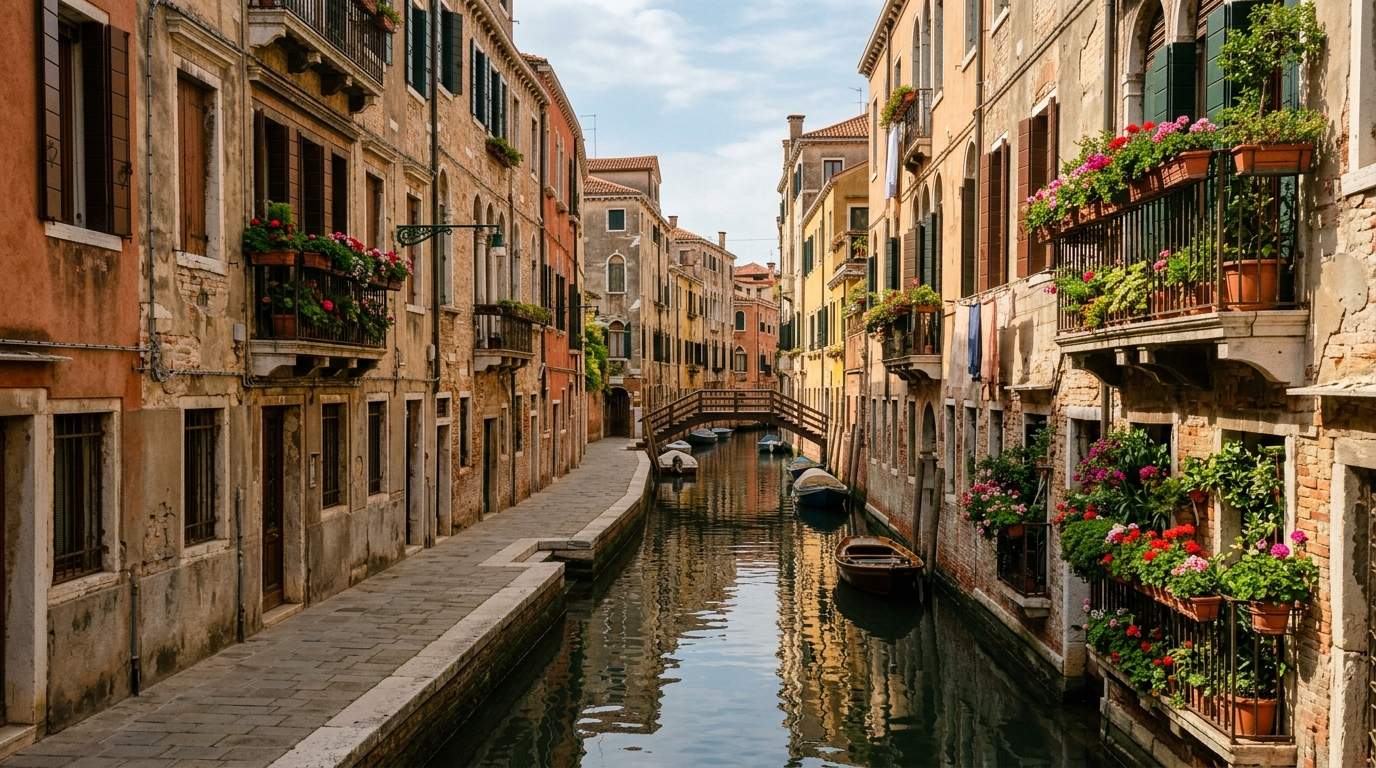
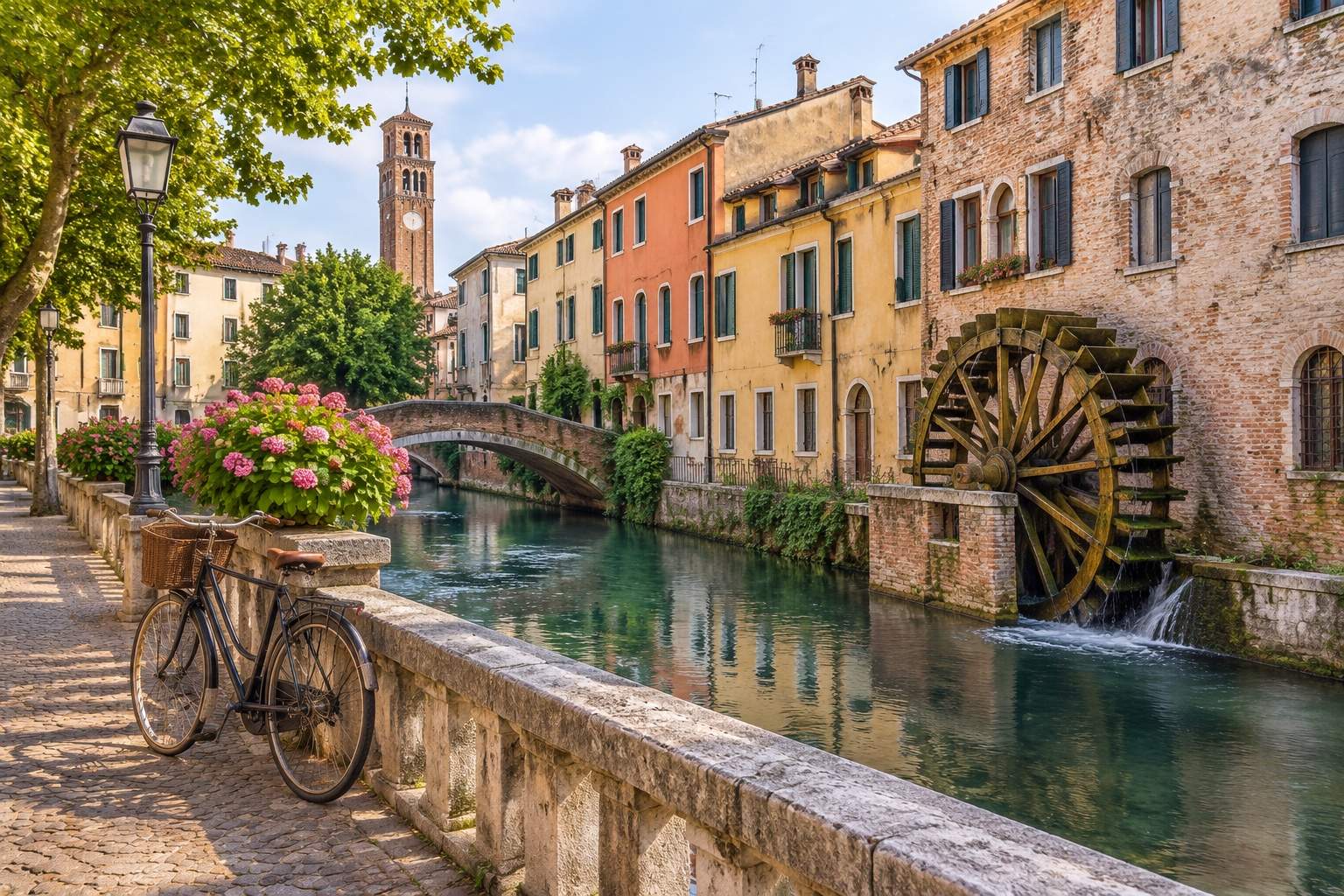
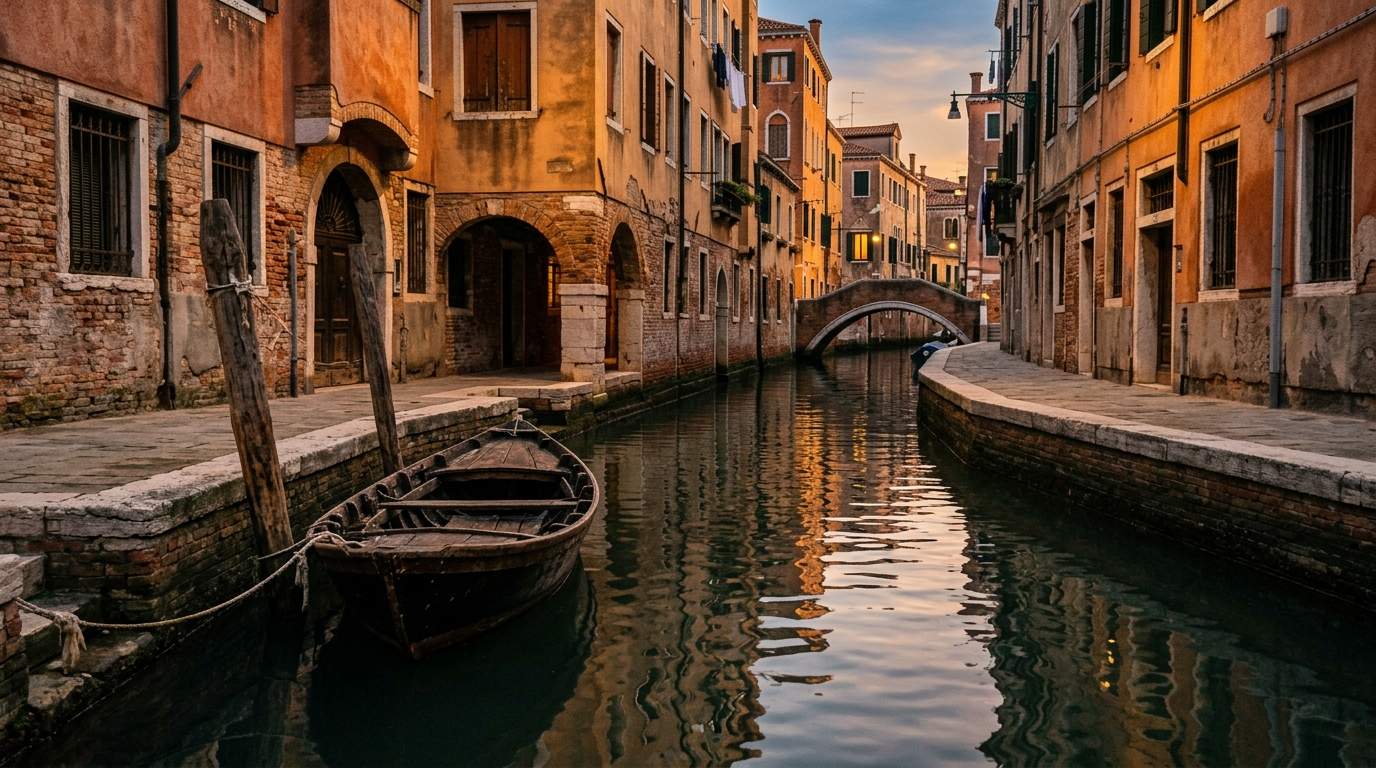
The water lapped gently against the ancient stone, a lone vaporetta glided by, not packed to the gills with selfie sticks, but carrying a few locals heading home. The evening light in this quiet rio (canal), somewhere deep in Castello, painted the crumbling palazzo walls in hues of gold and rust, utterly devoid of the usual tourist scrum. That's the Venice I chase, not the one you see plastered on postcards or Instagram feeds, where every alley is a gauntlet of souvenir shops and every bridge a battle for elbow room. I've been there, done that, and frankly, paid too much for the T-shirt. So, if your idea of a perfect Venetian escape doesn't involve emptying your wallet on a ten-minute gondola ride that looks like a rush-hour commute, stick around. This is for the savvy, the curious, the ones who want to experience Venice before it entirely drowns in mass tourism, and crucially, without going broke.
Unpacking Venice's Real Price Tag: Tourist vs. Local Costs
Let's be brutally honest: Venice has mastered the art of extracting euros from unsuspecting visitors. A coffee in St. Mark's Square can set you back €10, a slice of pizza €7, and that infamous gondola ride? Easily €80-€120 for a mere 25-30 minutes, shared or not. I remember my first trip with my partner, wide-eyed and ready to splurge. We spent €100 on a seafood pasta dinner that tasted suspiciously like something from a freezer aisle. "Was that even fresh?" she whispered, eyeing the bill. "At this price, it better have been caught by mermaids," I grumbled back. That's the pitfall. But here’s the kicker: just a few blocks away, the same coffee, standing at the bar like a local, costs €1.50. A fantastic, fresh cicchetti (Venetian tapas) and a glass of wine? €5, total. My family and I once shared a giant, authentic pizza al taglio for €8 that fed four of us for lunch, just because we wandered past the main drag. It's not about being cheap; it's about getting real value and experiencing the city as it truly is, not as a theme park.
How to Navigate Venice's Food Scene Without Breaking the Bank
Your mission, should you choose to accept it, is to eat like a Venetian. Forget the restaurants with laminated menus displaying flag iconography. Seek out bacari, traditional wine bars that serve cicchetti. These bite-sized delights are Venice's answer to tapas – think tiny sandwiches, fried seafood, meatballs, and marinated vegetables. They’re cheap, delicious, and a social ritual. My best friend, a self-proclaimed foodie, dragged me to Cantina Do Spade one evening. "Just try it," she urged, pushing a plate of polpette (meatballs) towards me. One bite and I was hooked. "This is so much better than that €30 risotto we had yesterday!" I declared, reaching for another. You can hop from bacaro to bacaro, making a delicious, affordable, and incredibly authentic dinner out of it. Plus, you’ll be rubbing shoulders with locals, not just other tourists. Look for places packed with Italian chatter, not just English.
Dodging the Crowds: Hidden Alleys and Local Secrets in Castello
Everyone flocks to St. Mark's Square and the Rialto Bridge, and for good reason—they're iconic. But enduring shoulder-to-shoulder crowds and inflated prices diminishes the magic. Instead, let me introduce you to Castello. This is Venice's largest sestiere (district), stretching from the heart of the city towards the Giardini della Biennale. It’s a residential area, still vibrant with daily life, and blissfully less tourist-dense. One unforgettable afternoon, my younger sister and I, armed with a vague map and an adventurous spirit, stumbled upon Via Garibaldi. It’s a wide, bustling street, a rarity in Venice, filled with local shops, fruit stalls, and trattorias where actual Venetians eat. We bought fresh cherries from a vendor who cracked a joke in rapid Italian, then sat on a canal-side bench watching boats unload groceries. It felt like we’d stepped into a different city entirely, a secret Venice.
Unveiling Niche Wonders: Beyond the Postcard Views
While the Doge's Palace is undeniably impressive, there are other, equally captivating but far less crowded experiences to be had.
Libreria Acqua Alta: A Bookstore Like No Other
This place is pure eccentricity. Imagine a bookstore where the books are piled into bathtubs, gondolas, and even a full-sized rowboat to protect them from Venice's infamous acqua alta (high water). My brother, who usually complains about any stop that isn't a gelato shop, was utterly captivated. "Is that a CAT sitting on a pile of books in a canoe?" he asked, wide-eyed. Yes, it was. And another one was napping on the staircase made of old encyclopedias. It's whimsical, free to enter, and provides endless quirky photo opportunities (without resorting to a selfie stick, please). You’ll feel like you’ve stumbled into a magical, slightly chaotic world.
San Michele Island: The Silent Garden
For a truly profound and quiet experience, take a vaporetta to San Michele, Venice's cemetery island. It might sound morbid, but it’s a beautifully serene place, a green oasis in the middle of the lagoon. My best friend, usually glued to her phone, put it away as we walked among the cypress trees and elaborate tombs. It’s where Igor Stravinsky and Ezra Pound are buried, among others. The boat ride itself is peaceful, a mere few stops from Fondamente Nove, offering stunning views back towards Venice. It’s a stark, contemplative contrast to the city's lively chaos, offering a unique cultural insight into Venetian life and death. The air there always feels cooler, quieter, and somehow more real.
Making the Most of Shoulder Season: A Local's Take
Many travel guides will tell you spring and fall are the "best" times to visit Venice. And yes, the weather is milder. However, that's also when tourist numbers peak, pushing up accommodation prices and making popular spots even more congested. Consider late November or early February, just outside of Carnival. My most recent solo trip was in late January. Yes, it can be chilly, and the occasional acqua alta might mean donning rented wellies for an hour or two (a fun, if slightly inconvenient, local experience!). But the fog lends an ethereal, almost melancholic beauty to the canals, and you practically have the city to yourself. Hotels are significantly cheaper, and locals are more relaxed, less overwhelmed. Imagine strolling through a quiet Dorsoduro, the mist rising from the lagoon, and sipping a warm cioccolata calda in a cozy cafe, surrounded by locals, not tour groups. That's the magic you miss chasing perfect weather.
Final Word: Be Smart, Be Curious, Be Rewarded
Venice isn’t just a destination; it’s an experience. But it demands a little strategy. Skip the tourist traps, embrace the bacari, wander into the lesser-known sestieri, and always, always look a few streets away from the main thoroughfare for better prices and more authentic encounters. Don't just tick boxes; immerse yourself. Your wallet (and your sanity) will thank you.