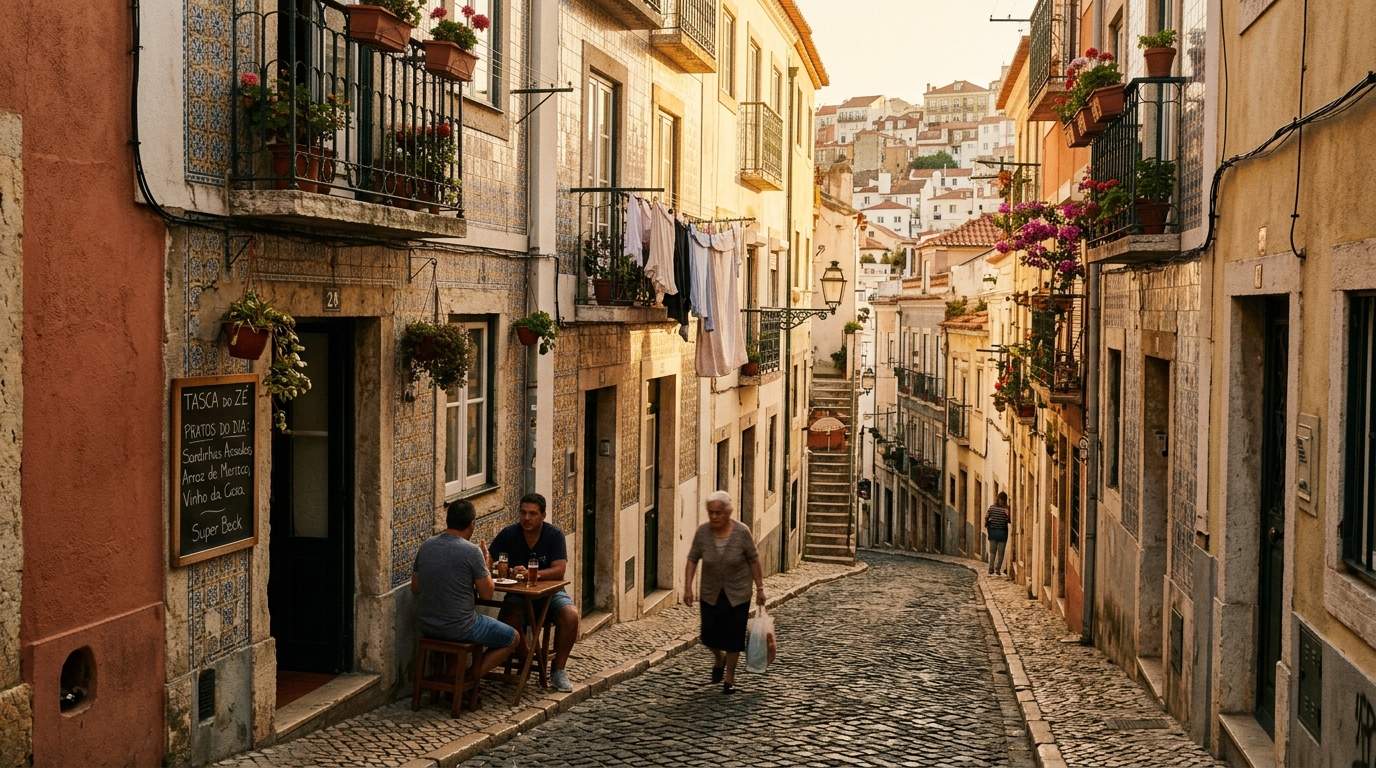
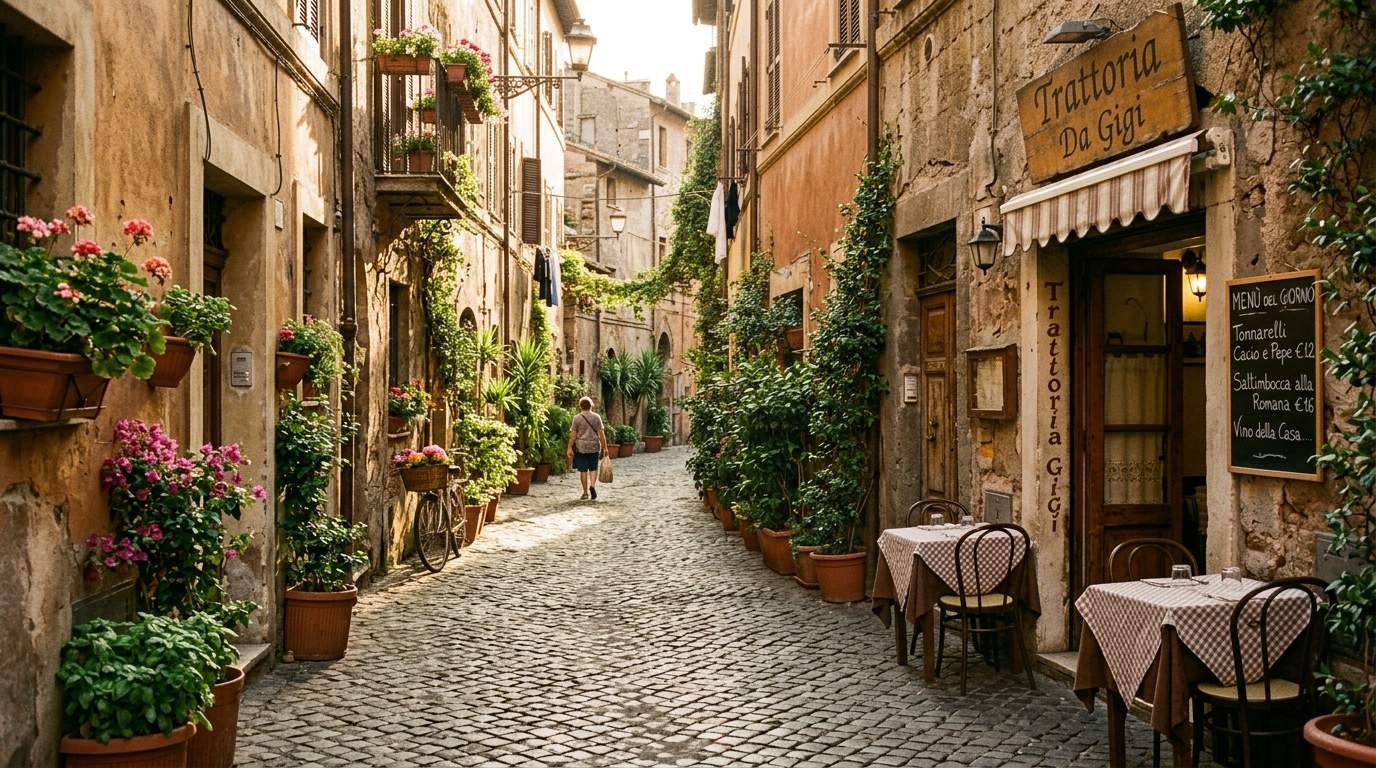
The scent hit me first – a rich, earthy mix of sulfur and spices, carried on a breeze that felt surprisingly cool for late spring. I wasn't gazing at the gleaming Bridge of Peace, nor battling crowds for a selfie with the Narikala Fortress looming overhead. Instead, I was deep in a cobbled alleyway, a forgotten corner tucked behind the bustling Abanotubani sulfur baths, where locals chatted over strong coffee and stray cats napped in sunbeams. This wasn't the Tbilisi you see splashed across Instagram feeds, but it was, without a doubt, the real deal. And finding it? That’s where the magic, and the savings, truly began.
Ditch the Glam: Discovering Old Tbilisi's Real Pulse for Pennies
Look, I get it. The Bridge of Peace, that futuristic glass and steel marvel, is pretty. The cable car up to Narikala Fortress offers undeniably sweeping views. But after watching a friend fork over hard-earned lari for a five-minute ride and then another absurd sum for a bland coffee with a "view," I knew there had to be a better way. We were a group of three – my partner, a fellow travel-obsessed friend, and myself – all united by the common goal of stretching our budgets further than a well-chewed piece of sulguni cheese.
So, we skipped the cable car. Instead, we trekked up the winding paths behind the Botanical Garden to Narikala. It took us a leisurely 40 minutes, punctuated by gasps at the panoramic cityscapes unfurling beneath us, completely free of charge. The walk itself became an adventure, uncovering crumbling watchtowers and quiet spots perfect for contemplation. Pitfall Alert: That €3 cable car might seem cheap, but when you factor in the crowds and the missed opportunity for an actual, sweat-inducing, view-earning climb, it feels like a rip-off. My advice? Save that cash for another khinkali.
Beyond Boulevard Bling: Where to Eat Like a Local (and Not Get Robbed)
Tbilisi's food scene is legendary, but holy moly, the tourist traps around Freedom Square and Rustaveli Avenue will lighten your wallet faster than you can say "khachapuri." We made one unfortunate detour into a flashy-looking place where a single plate of overcooked khinkali (dumplings) cost us nearly 15 lari. Compare that to the local haunt we discovered later, a no-frills sakhli (home-style restaurant) called "Cafe PurPur" in the Sololaki district, where a dozen perfectly spiced, juicy khinkali set us back just 10 lari – for everyone!
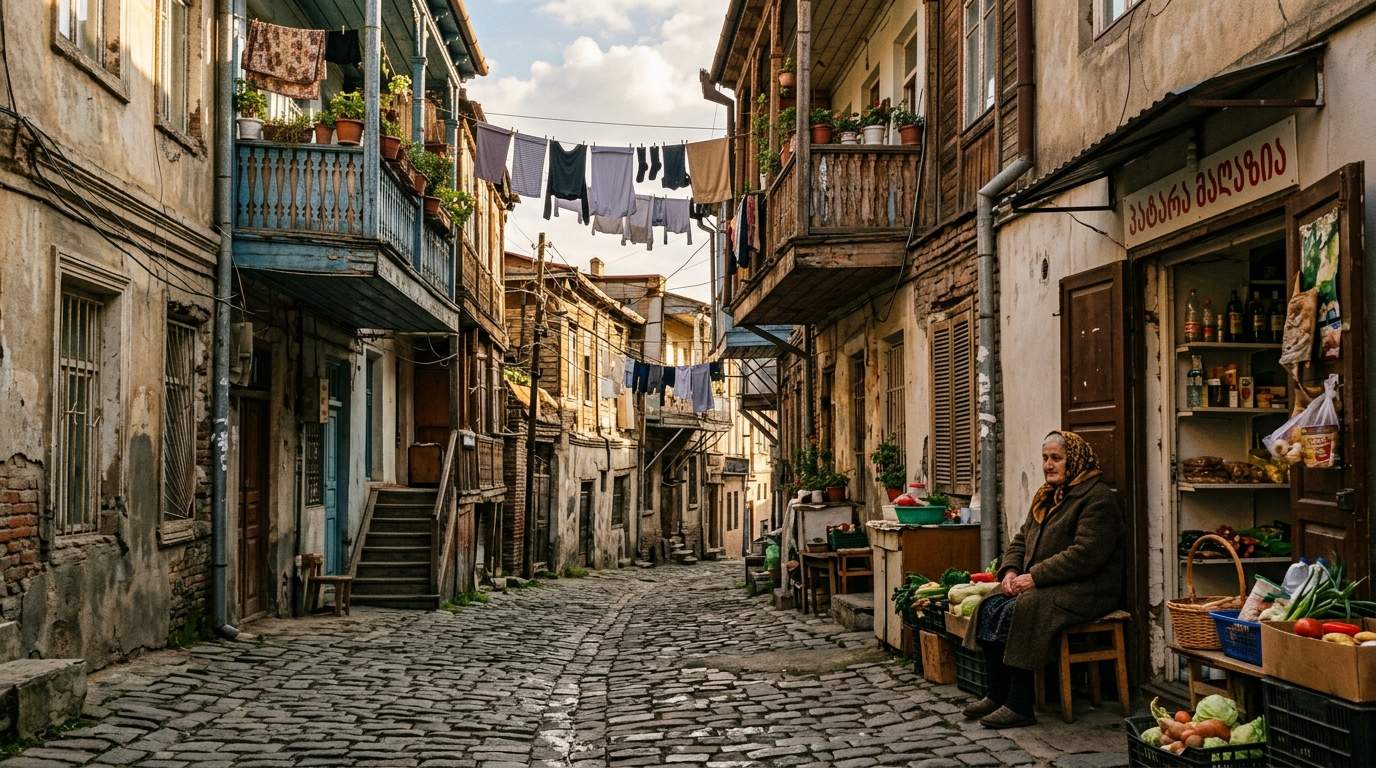
My friend, Alex, practically had an epiphany. "This is it," he declared, wiping cheese from his chin. "This is the real taste. Not that bland, overpriced stuff." We found "Cafe PurPur" purely by wandering, drawn in by the chatter of Georgian voices and the lack of an English menu board (always a good sign!). We simply pointed and smiled, and were rewarded with a feast of puri (fresh bread), lobiani (bean-filled bread), and the aforementioned glorious khinkali, all washed down with homemade amber wine. Cost Breakdown: Dining like a local cut our daily food budget by nearly 40% compared to tourist-centric spots, leaving more lari for adventures, not inflated prices.
Sulfur Baths: Authenticity Over Opulence (Your Skin Will Thank You)
You can't come to Tbilisi and not experience the sulfur baths. But here’s where another "friends advise you not to step on the pit" moment comes in. There are plenty of swanky private rooms promising luxury and privacy, often costing upwards of 100 lari an hour. We eyed them suspiciously, then pivoted. Our goal was the experience, not a spa day we could get back home.
We headed to "Bathhouse №5" (Abanotubani is a whole district of them) and opted for a public bathing session. It was... an experience. Steam, sulfur, a few bewildered tourists like us, and plenty of seasoned locals who clearly knew the drill. For a mere 5 lari, we soaked in the communal pool, emerging feeling incredibly clean and oddly invigorated. My partner, usually wary of shared spaces, even admitted it was "surprisingly therapeutic." We then splurged on a 10 lari "kisa" scrub, where a formidable woman scrubbed off layers of travel grime with gusto. Real Talk: Skip the private room unless you're truly uncomfortable. The public baths are cheaper, more authentic, and provide a fantastic cultural snapshot.
The Dry Bridge Market Hustle: Art, Bargains, and a Dash of Shenanigans
The Dry Bridge Market is a treasure trove, if you know how to navigate it. It’s not exactly "hidden," but it can quickly become an "overpriced souvenir trap" if you're not careful. This open-air market bursts with everything from Soviet-era memorabilia to local artwork. My friend, Maria, a keen antique hunter, was determined to find a unique piece of jewelry.
We arrived early, before the midday rush. She spotted a beautiful silver pendant with a traditional Georgian design. The vendor, a charming older woman, quoted 80 lari. Maria, having absorbed my haggling tips, smiled and countered with 40. A playful back-and-forth ensued, filled with exaggerated sighs and dramatic gestures, ending with Maria walking away with her pendant for 55 lari. The joy of the bargain, the cultural interaction – it's all part of the fun. Haggling 101: Don't be afraid to offer half the asking price, especially for non-essential items. Be polite, smile, and be ready to walk away. You'll often be called back. This isn't just about saving money; it's about engaging with the local culture.
Wanderlust Wisdom: Practical Pointers for Your Tbilisi Adventure
To truly savor Tbilisi without the usual tourist headaches, timing is everything. I'd emphatically recommend late spring (May-early June) or early autumn (September-October). The weather is gloriously mild – perfect for endless walking – and the relentless summer crowds haven't fully descended or have already departed. We found ourselves navigating charming backstreets under clear, sunny skies, a stark contrast to the stifling heat and packed sidewalks I've heard others complain about in August.
Getting around is surprisingly simple and affordable. The Metro is your best friend: clean, efficient, and incredibly cheap (0.50 lari per ride with a MetroMoney card, which costs 2 lari and is refundable). For longer distances or when you're feeling lazy, ditch the notoriously opportunistic street taxis and download Bolt (like Uber). A typical 15-minute ride across the city rarely cost us more than 8-10 lari, a fraction of what a street hail would demand. We also embraced Marshrutkas (local minibuses) for specific routes to neighborhoods slightly off the main Metro lines – a chaotic but authentic experience that costs next to nothing and puts you right in the thick of local life.
Forget the overpriced hotels near the main squares. For accommodation, our group found a fantastic guesthouse in the Avlabari district, "Old Town Valley," a short walk from a Metro station. For about 100 lari a night, we had a spacious room with a balcony overlooking a quiet residential street, complete with a friendly owner who offered unsolicited, genuinely useful advice on where to find the best local bakeries. Compare that to the 200+ lari average for a soulless hotel room a few blocks closer to the "action." These local spots not only save you money but often come with invaluable insider tips.
Tbilisi is a city that rewards curiosity and a willingness to step off the well-trodden path. It’s a place where the true magic unfolds in the unexpected conversations, the shared meals, and the quiet discoveries you make when you dare to look beyond the flashy facades.