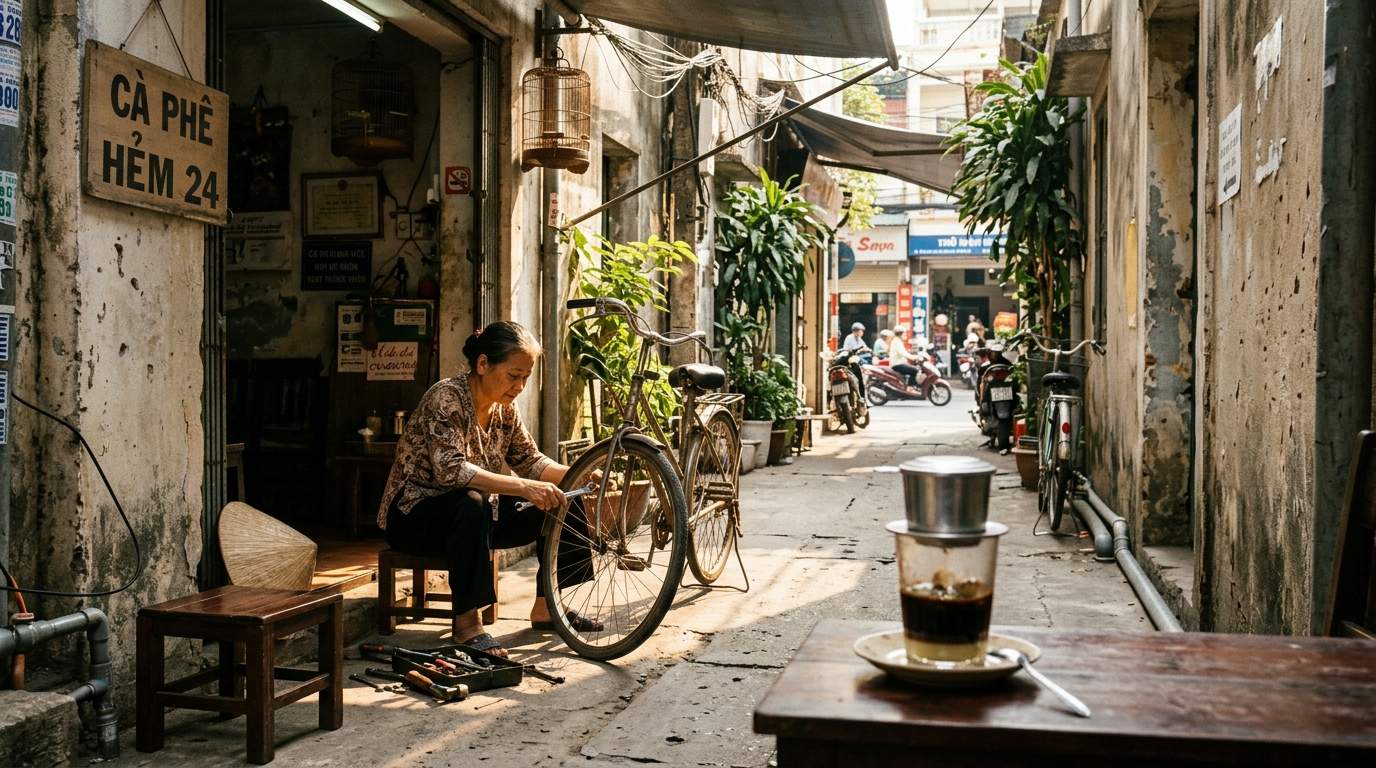
The scent of frangipani blossoms hung heavy in the humid air, not from the crowded lantern-lit bridges, but from a forgotten courtyard down a narrow alley. A wizened woman, her face a roadmap of smiles, offered me a tiny glass of jasmine tea, unasked. The usual Hoi An kaleidoscope of selfie sticks and overpriced tailor shops faded into a distant hum. This was the moment it clicked: Hoi An isn't just a picturesque postcard; it's a treasure hunt, and I'm here to arm you with the map to its true, untaxed delights.
Unmasking Hoi An: Beyond the Lantern Glow & Tourist Traps
Everyone flocks to the Thu Bon River for that iconic lantern boat ride, paying a hefty sum for a 15-minute loop, elbow-to-elbow with strangers, all chasing the same Instagram shot. My partner and I, however, stumbled upon a grizzled old man named Ba sitting by his tiny wooden sampan near the An Hoi bridge before sunset, well away from the main tourist dock. He offered us an hour-long, serene cruise past quiet houses and local fishing boats, complete with a story about his grandfather’s fishing days, for a fraction of the price – about 100,000 VND (around $4 USD) total for the two of us, compared to the 150,000 VND per person quoted at the main pier for a shorter, less personal ride. The secret? Walk further down the riverbanks, away from the touts, and seek out the older, quieter folks simply waiting for a fare, not aggressively hawking one. It's an immediate filter for authenticity and fair pricing.
Hoi An Culinary Secrets: Eating Like a Local, Not a Tourist
Forget the fancy cafes charging triple for Cao Lau. My friends and I, always on the hunt for the ultimate food score, found a tiny, nameless stall tucked behind the Central Market that served up bowls of this regional noodle specialty for just 25,000 VND (about $1 USD). The broth was rich, the pork succulent, and the noodles perfectly chewy – a thousand times better than the 70,000 VND versions we saw advertised at tourist-trap restaurants. The proprietor, a lively woman named Lien, even taught us the proper way to mix the herbs with the dark, savory sauce. It’s about looking for the plastic stools, the local families, and the distinct lack of English menus. If a menu has glossy photos and a dozen languages, it’s probably a tourist premium. Don't be afraid to point, smile, and ask for "Mi Quang" or "White Rose" at the smallest, busiest spot you see.
Beyond the Old Town: Hidden Corners for Deep Dives
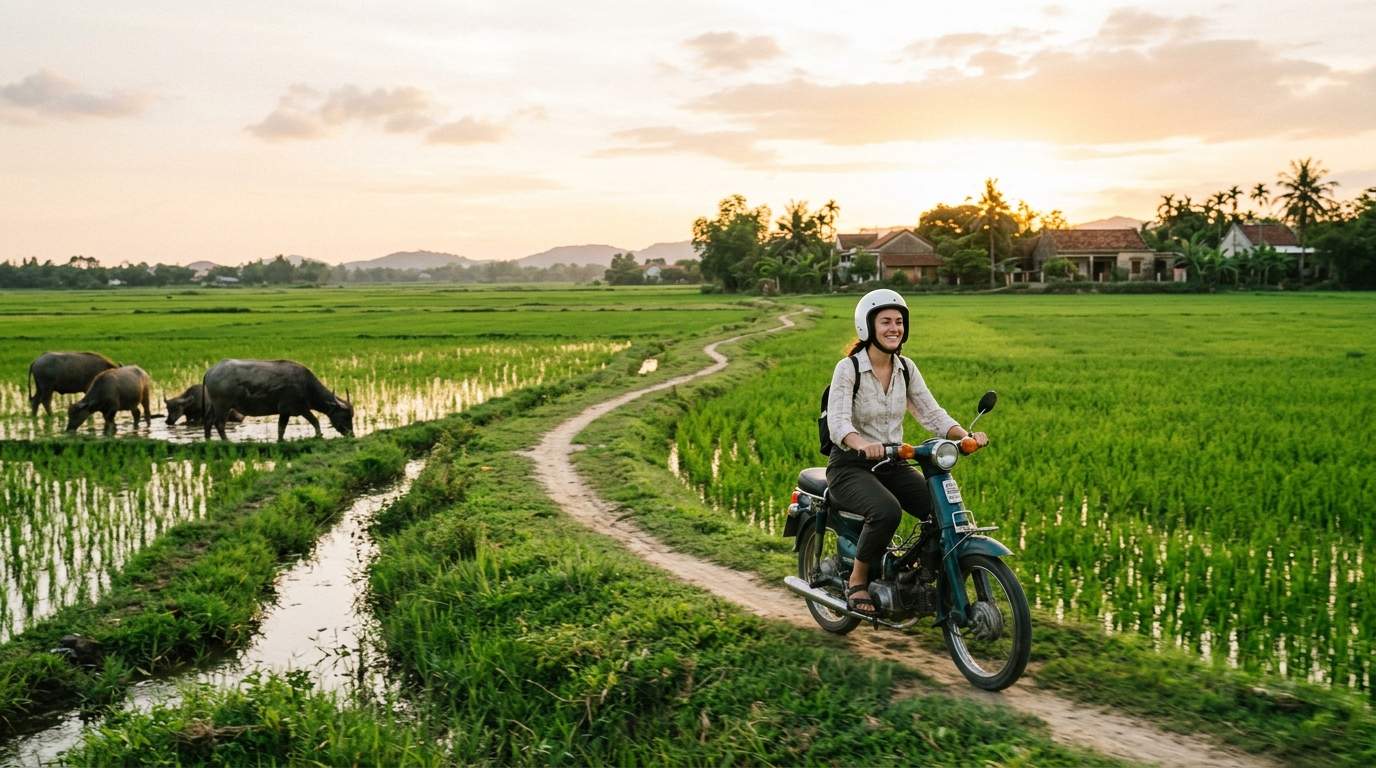
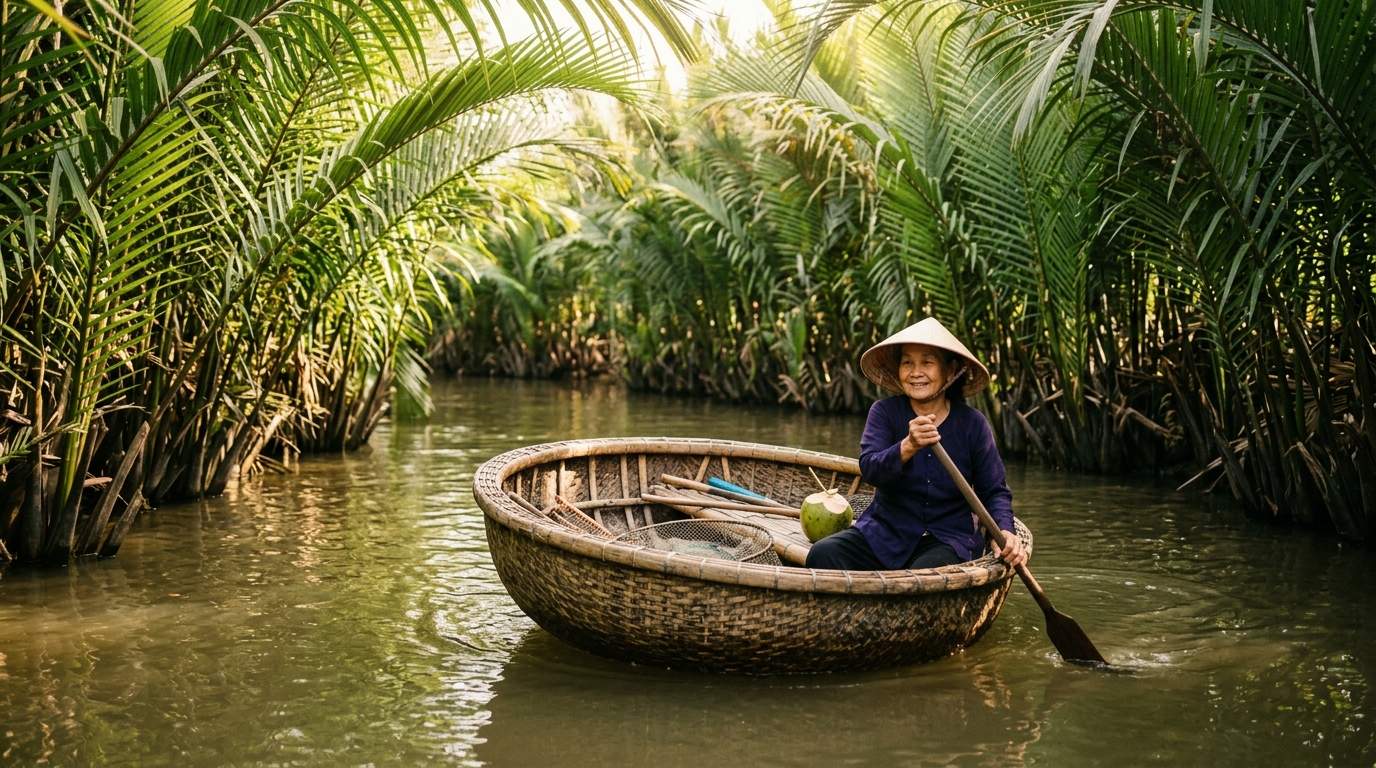
My solo morning rides often took me out of the ancient town, past buffaloes grazing in verdant rice paddies, to places most tourists never see. One such detour led me to Cam Thanh Coconut Forest, but not the one where loud music blasts from spinning basket boats. I cycled to a quiet corner of the forest, further inland, where a local named Thien, a friend of a guesthouse owner, offered me a private basket boat tour. Instead of the chaotic, commercialized "crab fishing" show, Thien slowly paddled us through the water coconut groves, demonstrating traditional net fishing and even plucking a fresh coconut for me to drink, all for 150,000 VND ($6 USD). It was tranquil, insightful, and devoid of the "tourist experience" pressure. He even shared stories about how the forest sustained his family for generations. This wasn't just a ride; it was a glimpse into a way of life, something you won't find on a pre-booked excursion.
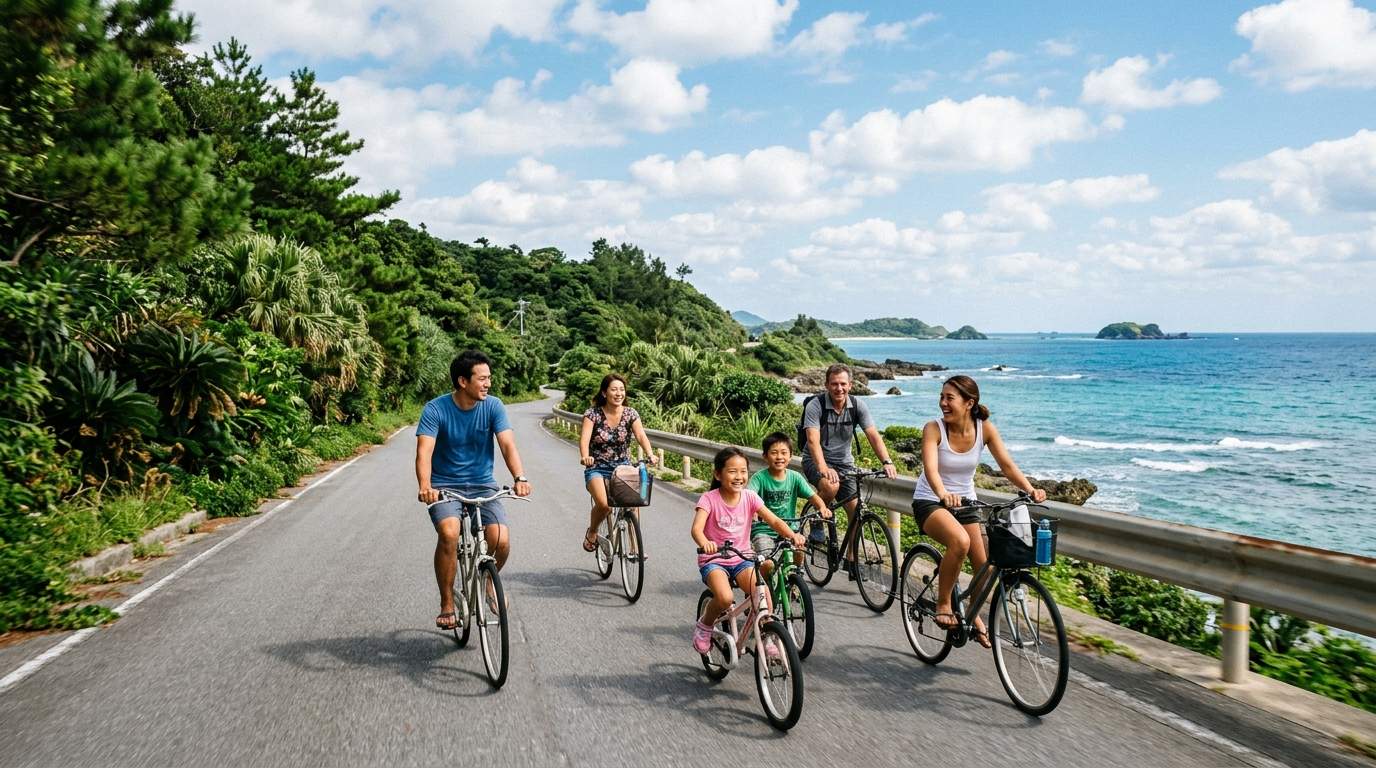
Another reverse-travel gem is the Thanh Ha Pottery Village. Instead of hopping on an organized tour, grab a bicycle – most guesthouses offer them for free or a couple of dollars a day – and pedal your way there (about 3km west of the Old Town). You'll find yourself amidst working kilns and homes where artisans craft beautiful ceramics using centuries-old techniques. A small entrance fee (around 30,000 VND or $1.20 USD) often includes a chance to try your hand at the potter's wheel. My friends and I spent an afternoon laughing as we tried to mold clay, our attempts often ending in comical failure, much to the amusement of the skilled potters. We bought a few unique, handmade pieces directly from the artists, supporting local craftspeople without the hefty markup of souvenir shops in the Old Town.
When planning your trip to Hoi An, aim for the shoulder seasons – late February to April, or September to November. You'll dodge the peak crowds and the intense humidity, making those bike rides and market explorations far more enjoyable. As for transport within town, ditch the Grab taxis for short distances; your two feet or a rented bicycle are your best friends. For longer trips, negotiate with local motorbike taxis (xe ôm) before you get on – always have a price in mind and be firm but polite. Always carry small denominations of VND for street food and market purchases; it makes haggling easier and avoids awkward moments with large bills. Remember, a sincere smile and a few words of Vietnamese ("Cảm ơn" for thank you, "Bao nhiêu?" for how much) go a long way in unlocking the genuine warmth and better prices from the locals.
Hoi An isn't just about pretty lanterns; it's about the stories whispered in forgotten alleyways and the flavors found on humble street corners, waiting for those savvy enough to seek them out. Go forth, avoid the traps, and find your own pure magic.