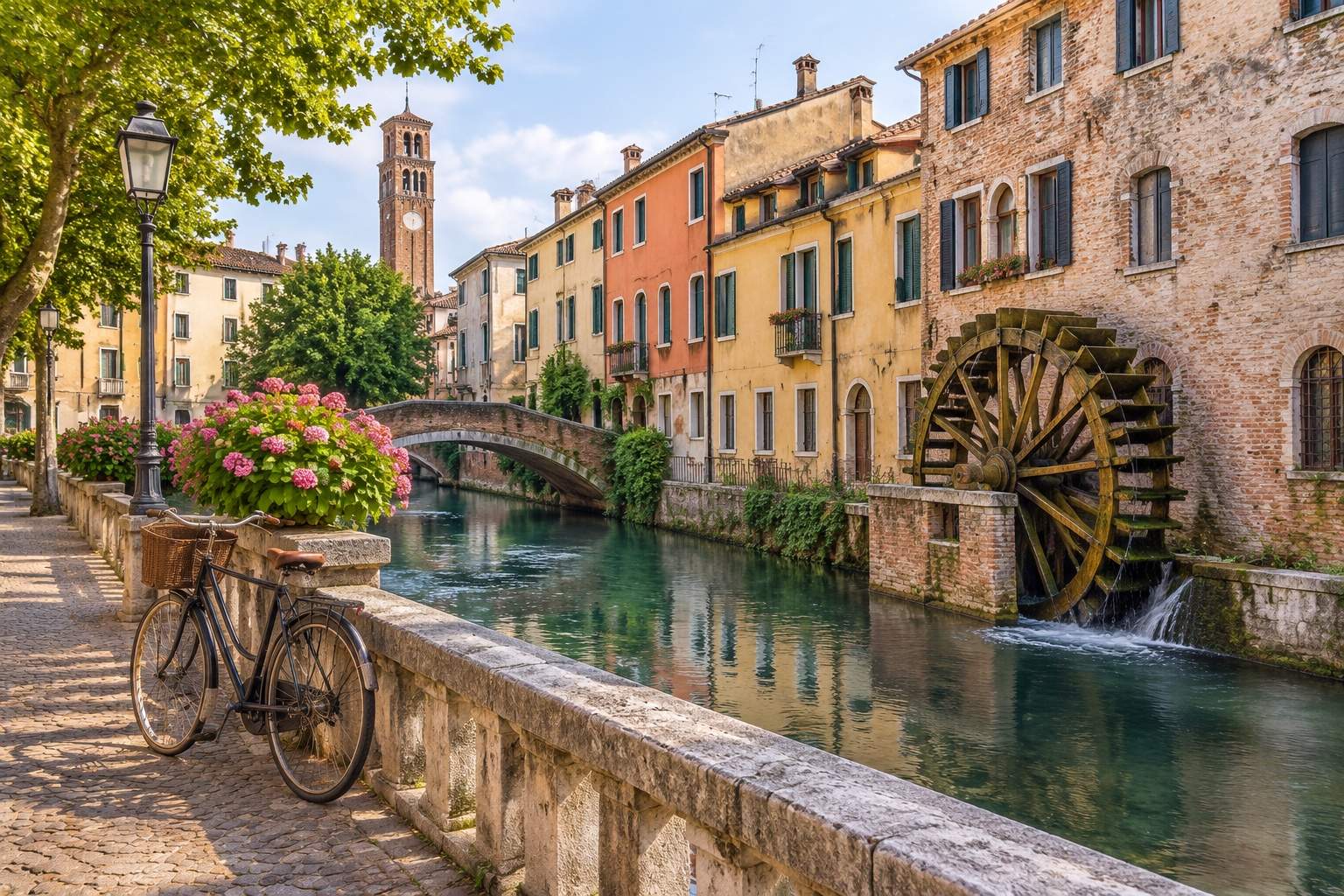
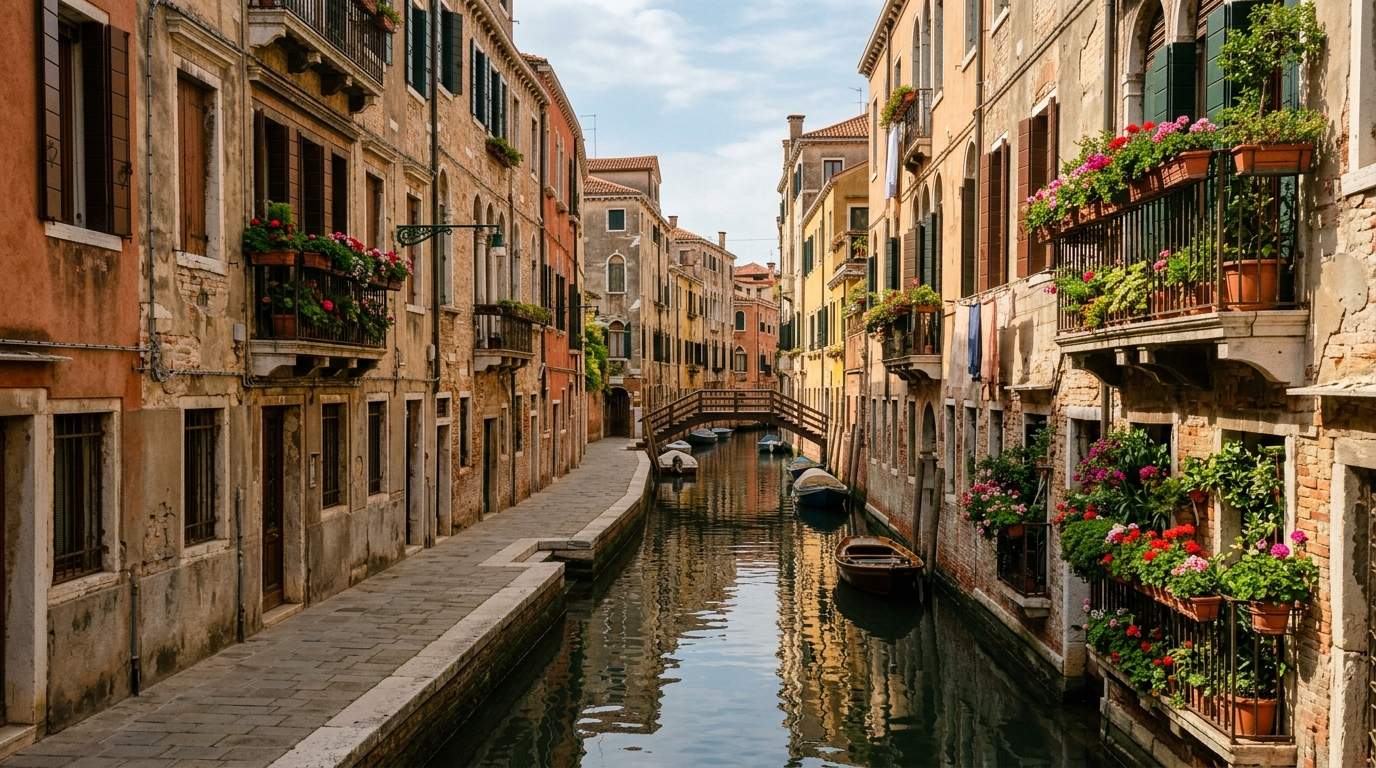
The water lapped gently against the ancient stones, a rhythmic sigh that was the only sound for blocks. I leaned against a weathered bridge railing, watching a lone gondoliere practice a tricky turn in a tiny, forgotten canal. No selfie sticks, no hawkers, just the faint scent of salt and history. This wasn’t the Venice you see on postcards, packed shoulder-to-shoulder with bewildered tourists. This was a Venice whispered about in hushed tones, the city we almost missed entirely until my partner, Marco, pulled me down a dead-end alley that wasn't dead at all.
Unmasking the Real Venice: Beyond St. Mark's Tourist Tsunami
Our arrival in Venice had been, shall we say, a vivid introduction to its mainstream offerings. Picture this: stepping off the train, we were immediately swallowed by a human current flowing relentlessly towards St. Mark's Square. Every cafe along the main arteries screamed "tourist trap" with menus in eight languages and espresso prices that would make a Roman weep. My friend, Clara, who’d sworn by "that famous bridge" being a must-see, looked increasingly crestfallen as we jostled our way across the Rialto, only catching fleeting glimpses between a forest of outstretched arms. "Is this it?" she'd muttered, wiping sweat from her brow. "Did we just pay €5 for a coffee that tastes like dishwater to be elbowed by a thousand strangers?" We were barely an hour in, and the "pit" felt less like a gentle dip and more like a chasm opening beneath our feet.
That's when we decided enough was enough. We veered left, then right, then inexplicably through a narrow passageway where the only light came from a crack in a wall, emerging into a quiet campo far from the main drag. The difference in atmosphere was instant and palpable. Suddenly, we weren't just tourists anymore; we were explorers. We found a tiny bacaro (traditional Venetian wine bar) with a handwritten menu. A glass of crisp local white wine, an ombre, cost €2.50. A plate of cicchetti (small snacks) – fresh sardines in saor and creamy baccalà mantecato – came to €6. In the tourist zones, that would barely cover the service charge. The owner, an older woman with kind eyes, even offered us a second plate "on the house" for attempting our terrible Italian. This was our first real taste of Venice, and it tasted like sweet, sweet victory over inflated prices and bland experiences.
Navigating Venice's Labyrinths: The Anti-Crowd Itinerary
Forget the packed boats to Burano; if you’re looking for vibrant colors and craft, consider a trip to Murano’s lesser-known glass workshops, but not the ones near the main vaporetto stop. We found a small furnace, tucked away down a side street in the San Donato area, where a fourth-generation master craftsman, Marco, allowed us to watch him shape molten glass into delicate masterpieces for free. His prices for actual pieces were a fraction of the fancy showrooms, simply because he didn't pay for prime tourist-facing real estate. "They'll tell you all the glass is the same," he scoffed good-naturedly, wiping sweat from his brow, "but the passion... that's different." We bought a stunning, unassuming teal vase, which Clara still proudly displays. It cost less than a single glass figurine from the tourist traps, and came with a story.
Another escape from the relentless tourist machine was our exploration of the Cannaregio district’s Jewish Ghetto. Stepping into the Ghetto Nuovo, the quiet courtyards and the sheer sense of history were incredibly humbling. This isn't just "off the beaten path" for the sake of it; it's a profound cultural immersion. We spent an afternoon wandering the narrow streets, visited the historic synagogues (the admission fee was minimal and supported the community), and then found a tiny bakery, Panificio Volpe Giovanni, where we sampled traditional Jewish Venetian pastries that were simply divine – sweet, spiced, and costing mere cents per piece. This was a different kind of beauty, a quiet strength that offered a stark contrast to the flamboyant grandeur of St. Mark's, and it was mostly free to experience, save for our delightful pastry indulgence.
Saving Lira (or Euros): My Wallet's Venetian Escape Plan
Accommodation can be the biggest wallet-drainer in Venice, especially if you insist on staying right in the heart of the action. My family – my parents, Marco, and I – opted for an Airbnb in the Castello district, near the Giardini della Biennale. It was a 20-minute walk or a short vaporetto ride from St. Mark's, but the difference in price was staggering. Our spacious apartment, complete with a small kitchen, cost about 60% less than a cramped hotel room closer to the Rialto. This allowed us to cook breakfast and some dinners, slashing our food budget significantly. Plus, living like a local in Castello meant waking up to the sounds of neighbors hanging laundry, not souvenir vendors hawking plastic gondolas.
For transportation, forget the exorbitant price of a private gondola ride if you're just looking for the experience (we did it once with friends, splitting the cost, and it was still a splurge!). Instead, embrace the vaporetto pass. We bought a 3-day pass for about €40, which seemed steep initially but quickly paid for itself. It allowed us unlimited travel, not just for practical commuting but also for impromptu "boat rides" down the Grand Canal at sunset. We even took a vaporetto across the Giudecca Canal to explore the quiet island of Giudecca, discovering the stunning Palladian architecture of the Redentore Church and enjoying a serene walk along the waterfront, feeling miles away from the chaos. This approach to travel also means you can easily navigate between less-crowded areas and dip into the more popular spots if you choose, but always with an escape route.
Venice, for all its fame and occasional overcrowding, truly has a heart that beats for those willing to wander. While peak summer (July-August) brings both soaring temperatures and tourist numbers, we found late spring (May-June) to be delightful – warm enough for comfortable exploring but before the full onslaught, though occasional rain showers demand a trusty umbrella. Skip the "classic" photo spots in favor of the quiet side canals and local markets, where the real magic, and the best deals, are found.
Don't let the glossy brochures or Instagram feeds dictate your Venetian adventure; the most rewarding experiences, and the ones that won't empty your bank account, are found by turning away from the crowds and embracing the city's quieter, more authentic whispers.